

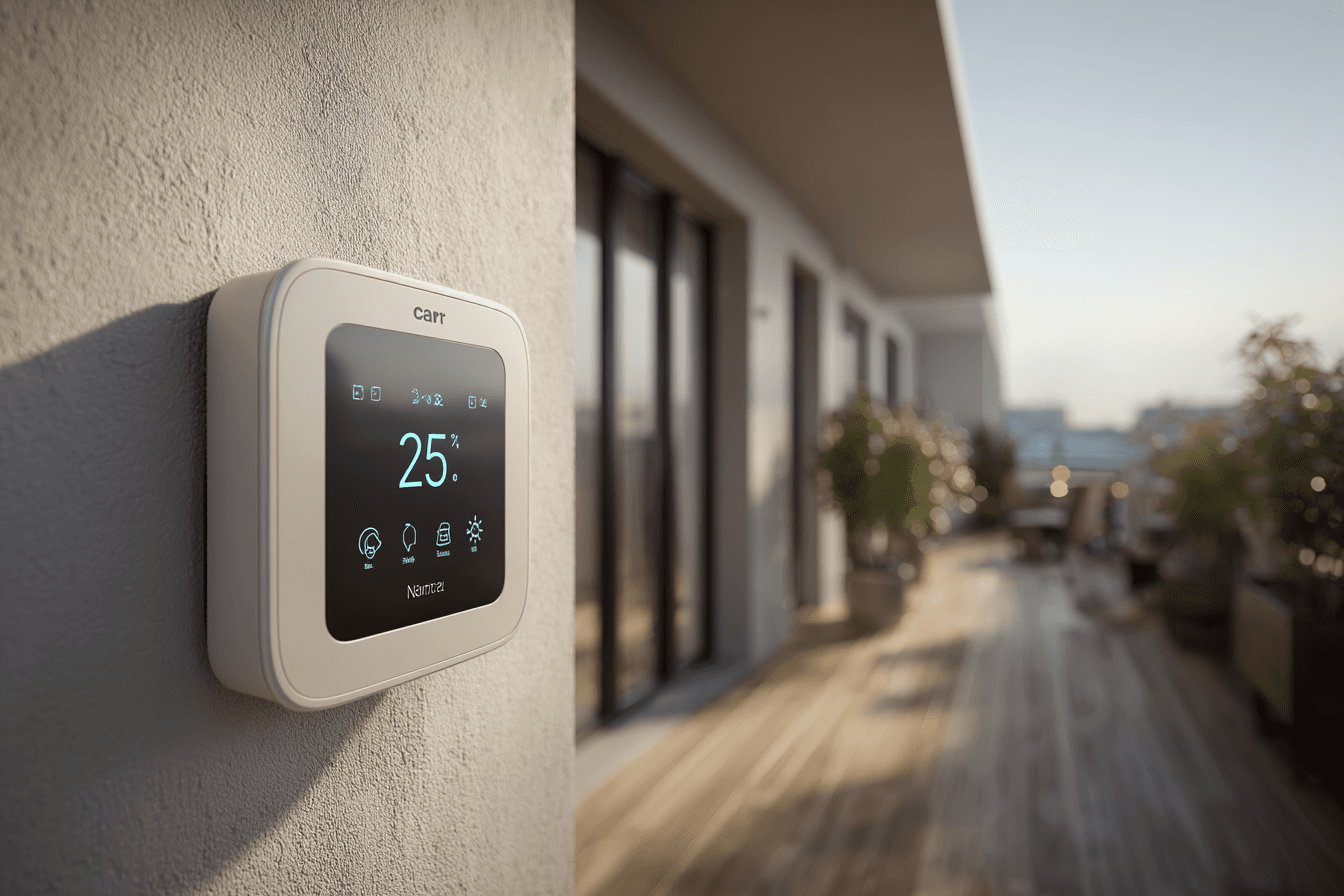
Smart Thermostats in Canada: Top Picks, Features & Savings for 2025
Whether you're in Toronto, Calgary, or Charlottetown, installing a smart thermostat is one of the easiest ways to cut your utility bills and unlock rebates. In this guide, we’ll show you the top thermostat options for 2025, explain how they save you money, and help you pick the right one for your home.
When thinking about home comfort, Smart Thermostats in Canada do far more than just adjust the temperature. Many homeowners wonder how do smart thermostats save money, and the answer lies in their ability to learn your routines, adjust to the weather, and optimize heating and cooling even in extreme Canadian climates.
Whether you’re in Toronto, Calgary, or Charlottetown, installing a smart thermostat is one of the easiest ways to cut your utility bills and unlock rebates. In this guide, we’ll show you the top thermostat options for 2025, explain how they save you money, and help you pick the right one for your home.
Want to skip the guesswork? Enter your postal code on the Solenery Insights page for personalized upgrade suggestions and rebates.
How Do Smart Thermostats Save Money for Canadians?
Smart thermostats go beyond timers. They monitor occupancy, weather, and usage patterns to optimize your energy use.
Here’s how they help you save:
- Auto-adjusting schedules based on your daily routine
- Weather tracking to pre-heat or pre-cool based on outdoor conditions
- Zone control (for ductless or multi-room setups)
- Remote control via app — perfect for cottages or snowbirds
- Usage reports that highlight trends and offer suggestions
Average Savings:
- Up to 20% off heating/cooling costs annually
- Even higher in provinces with time-of-use pricing (Ontario, BC)
They also help you spot hidden energy drains from idle electronics, learn more about vampire power and how it silently wastes electricity.
Best Smart Thermostats in Canada for 2025
Here are the top thermostats Canadians are loving in 2025, all cold-climate tested and rebate-eligible.
| Thermostat | Best For | Highlights | Price (approx.) |
|---|---|---|---|
| Ecobee Smart Thermostat Premium | All-electric or heat pump homes | Made in Canada, built-in Alexa, radar occupancy sensing, supports humidifier/dehumidifier | $299 |
| Google Nest Learning Thermostat (3rd Gen) | Gas furnace setups | Learns your schedule, stylish interface, great with Google Home | $329 |
| Mysa Smart Thermostat | Baseboard heating | Designed for electric baseboards and in-floor heat, made in Newfoundland | $139 |
| Sinope TH1500ZB | Multi-zone radiant floors | Zigbee compatible, great for off-grid or solar-powered cabins | $160 |
| Amazon Smart Thermostat | Budget option | Works with Alexa, good for basic upgrades | $99 |
One of the top choices for Canadian homes is the Mysa thermostat, fully compatible with BC Hydro rebate programs. This sleek smart thermostat not only looks great on your wall but also helps you control heating efficiently, save on energy bills, and integrate with your home’s smart systems.
Tip: Look for ENERGY STAR certification to qualify for rebates in most provinces.
Which Smart Thermostat in Canada Is Right for You?
It depends on your heating system and smart home setup. Use this quick guide:
| You Have... | Choose This |
|---|---|
| Electric baseboard heat | Mysa or Sinope |
| Central HVAC with ducts | Ecobee or Nest |
| Ductless mini-split | Ecobee with room sensors |
| Want Alexa integration | Ecobee or Amazon |
| Prefer Google ecosystem | Nest |
| Want Canadian-made | Ecobee or Mysa |
Still unsure? Solenery Insights can show you compatible devices based on your postal code and HVAC setup.
Read more: HSPF vs SEER: Heat Pump Efficiency Ratings Explained for Canadians
Rebates & Incentives for Smart Thermostats in Canada
Good news, many Canadian utilities offer rebates on smart thermostats.
| Province | Rebate Example |
|---|---|
| Ontario | Enbridge Gas: $75–$100 for smart thermostat with Home Efficiency Rebate Plus (HER+) |
| Quebec | Hydro-Québec: $100 rebate for ENERGY STAR models |
| Alberta | Municipal programs (e.g., Banff, Edmonton) offer local rebates |
| BC | BC Hydro: $50–$100 off through partner retailers |
Read more: Your Guide to Federal Clean Energy Incentives in Canada (2025)
Integrating Smart Thermostats in Canada with a Smarter Home Energy Ecosystem
A smart thermostat is just the start. When integrated with other devices, it becomes part of your home’s energy brain.
What you can connect:
- Solar systems: Shift heating to match peak solar output
- Smart plugs: Schedule appliance use during off-peak hours
- EV chargers: Prioritize vehicle charging during low-demand periods
- Smart panels: Optimize loads across the entire home
Bonus: Smart thermostats often serve as the control hub for other upgrades — giving you a centralized dashboard for your net-zero journey.
Conclusion
A smart thermostat in Canada is one of the easiest, most affordable ways to start your journey toward a net-zero home, especially in Canada’s climate. With built-in intelligence, mobile control, and plenty of rebates, Smart Thermostats in Canada offer a low-risk, high-reward upgrade that can save energy and reduce utility bills year-round.
[postalcode]