

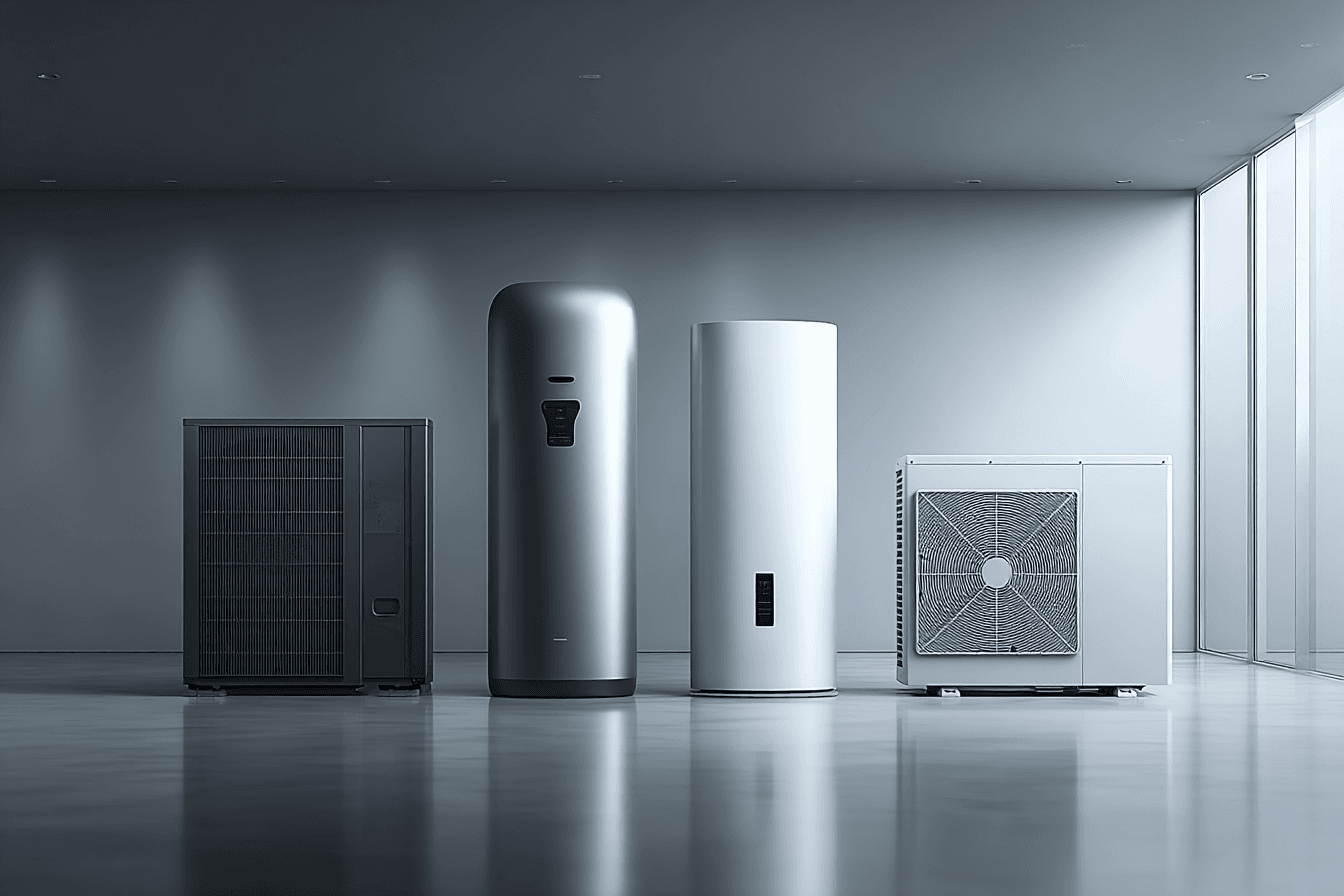
Best Heat Pump for Cold Weather in Canada: 2025 Edition
Not all heat pumps are built for the Great White North. If you live in Canada—where winters routinely dip below -20°C—you need a system that’s tough, efficient, and tested in real cold.
Not all heat pumps are built for the Great White North. If you live in Canada, where winters routinely dip below -20°C, you need the best heat pump for cold weather Canada, a system that’s tough, efficient, and proven in real cold.
Enter the cold-climate heat pump: a specially designed unit that can perform reliably even during frigid January nights in places like Winnipeg, Ottawa, or St. John’s. But with so many brands and models on the market, how do you choose the right one?
In this post, we’ll highlight the top cold-climate heat pump systems available in Canada in 2025 — including models featured on the cold climate heat pump list Nova Scotia, comparing efficiency, performance at sub-zero temps, and user satisfaction so you can make a confident, comfort-driven choice.
What Makes the Best Heat Pump for Cold Weather in Canada “Cold-Climate Rated”?
To be considered truly cold-climate ready, a heat pump should:
Key Cold-Climate Criteria
- Operate efficiently at -20°C to -25°C.
- Maintain a COP ≥ 2.0 at -15°C.
- Be listed by Natural Resources Canada or ENERGY STAR® as cold-climate approved.
- Include variable-speed compressor and intelligent defrost features.
Look for models listed under NRCan’s Cold Climate Air Source Heat Pump List, which sets stricter standards than general ENERGY STAR®.
Top Best Heat Pumps for Cold Weather in Canada (2025)
Here’s a comparison of five highly rated systems known for cold-weather reliability:
Heat Pump Comparison Table
| Brand + Model | Max Efficiency (HSPF) | COP @ -15°C | Temp Rating | Notable Features |
|---|---|---|---|---|
| Mitsubishi Zuba Central | 11.5 | 2.7 | -30°C | Ducted or ductless, ultra-quiet, Energy Star |
| Fujitsu Halcyon XLTH | 12.0 | 2.6 | -26°C | Ductless mini-split, zone control |
| Daikin Aurora Series | 11.7 | 2.5 | -25°C | Smart inverter, app connectivity |
| Bosch Climate 5000 | 10.5 | 2.3 | -20°C | Sleek design, good for retrofits |
| LG Red Series | 11.0 | 2.4 | -25°C | Fast heating, low noise |
Example: A homeowner in Saskatoon installed the Mitsubishi Zuba and reported zero performance issues during a -27°C cold snap, even without a backup furnace.
Read more: HSPF vs SEER: Heat Pump Efficiency Ratings Explained for Canadians
Best Heat Pump Options for Cold Weather in Canada by Home Type
Detached Homes or New Construction
- Mitsubishi Zuba Central
- Daikin VRV Life (for large homes or zoned systems)
Older Homes or Baseboard Replacements
- Fujitsu XLTH Series
- LG Red Mini-Splits
Small Homes, Condos, or Additions
- Bosch Climate 5000
- Mitsubishi MUZ-FH Series
Many brands now offer multi-zone capabilities, allowing you to control different rooms or floors independently.
What to Consider Before Buying the Best Heat Pump for Cold Weather in Canada
Choosing the “best” heat pump means factoring in more than just the brand:
Key Considerations
- Your climate zone – Do you routinely see -25°C or colder?
- Home insulation – Is your building envelope heat-pump friendly?
- System type – Ducted, ductless, or hybrid?
- Noise levels – Some systems are quieter than others (under 50 dB is ideal).
- Rebates available – Is the model listed with provincial rebate programs?
Ask for a load calculation and COP rating breakdown from your installer — don’t choose based on brand alone.
Rebates and Loans for Cold-Climate Heat Pumps
When shopping for the best heat pump for cold weather Canada homeowners often look at incentives to cut costs. The good news is that many high-efficiency models qualify for generous federal and provincial rebates, making cold-climate systems more affordable.
Federal and Provincial Incentives:
- Canada Greener Homes Loan – Up to $40,000 interest-free.
- Ontario (HER+) – Up to $10,000.
- British Columbia (CleanBC) – Up to 100% of costs for income-qualified households.
- Nova Scotia (Efficiency NS) – Up to $6,000 for heat pumps, plus solar and insulation rebates (check the official cold climate heat pump list Nova Scotia to see which models qualify).
- Manitoba (Efficiency MB) – Up to $5,000 for heat pump upgrades; $500/kW for solar.
- Alberta – Edmonton’s CEIP offers low-interest financing for heat pumps.
- Yukon – $0.80/W rebate up to $5,000 on eligible systems.
Example: A Nova Scotia homeowner combined the Efficiency NS rebate with the Canada Greener Homes Loan to cover nearly 70% of their Fujitsu mini-split system cost.
Many of the units approved under these programs are also listed on the cold climate heat pump list Nova Scotia, ensuring they meet the province’s efficiency and performance criteria.
Read more: Your Guide to Federal Clean Energy Incentives in Canada (2025)
Conclusion
Choosing the best heat pump for cold weather Canada homeowners can rely on means balancing efficiency, reliability, and eligibility for rebates. Today’s top cold-climate systems are quiet, powerful, and built for Canadian winters delivering comfort even at -20°C or lower.
Before you buy, it’s worth checking the cold climate heat pump list Nova Scotia to see which models are officially recommended for top performance and rebate eligibility in the province.
Whether you’re heating an entire home or a single zone, investing in a high-performance unit ensures year-round savings and long-term peace of mind.