
 AI Advisor
Portable Heat Pumps for Renters: Affordable Comfort Without a Long-Term Commitment
Introduction
Renters across Canada often face unique challenges when it comes to upgrading their heating and cooling systems.
Whether you’re in a Toronto apartment or a Montreal condo, making permanent changes like installing a heat pump isn’t always possible or allowed
.
Fortunately, portable heat pumps offer a flexible, affordable way to enjoy energy-efficient comfort without the hassle of installation or long-term commitments.
In this article, we’ll explore how portable heat pumps work, why they’re perfect for renters, and what to look for when shopping—plus some Canadian examples to help you decide if this is the right option for your home.
What Is a Portable Heat Pump and How Does It Work?
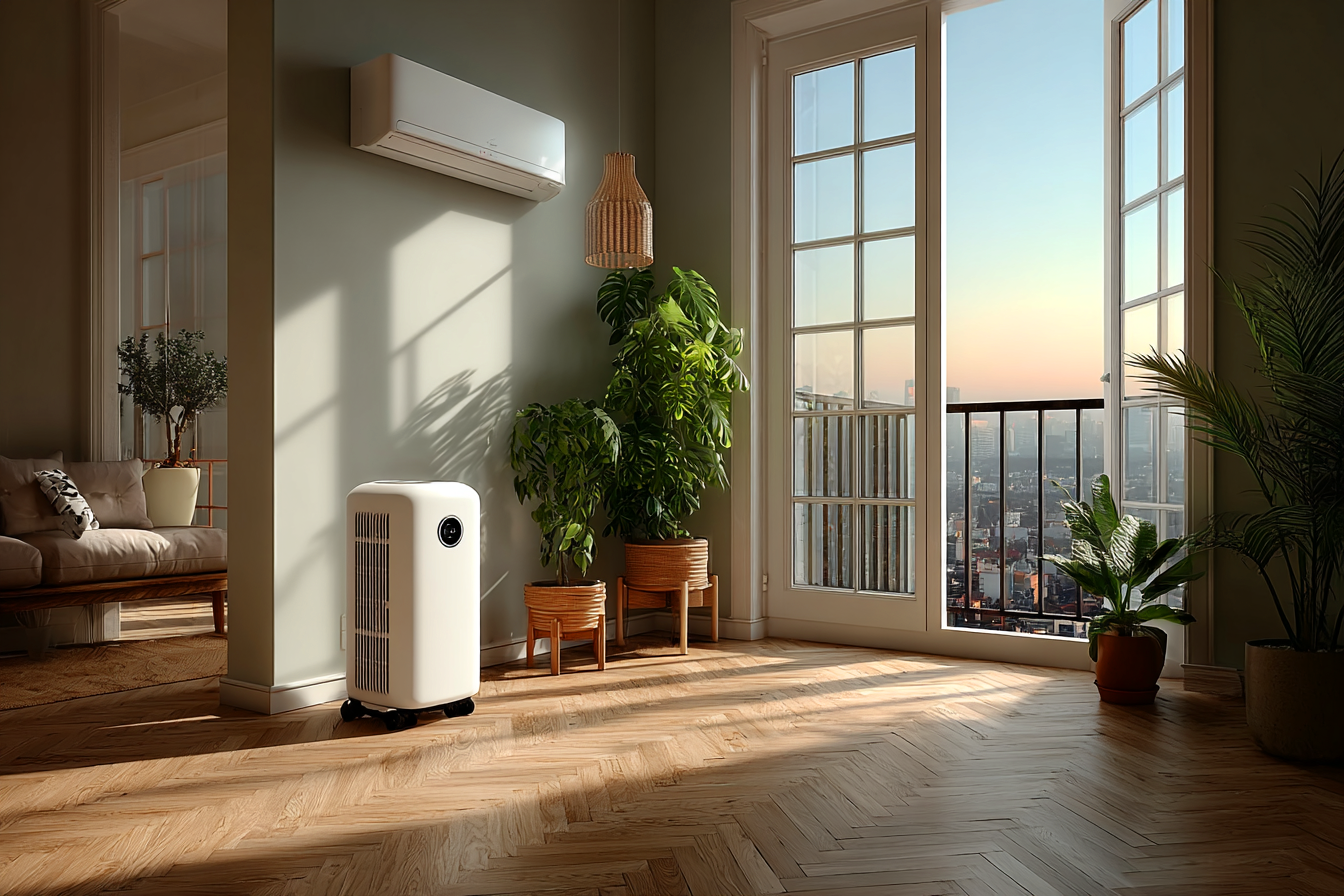
Definition: A portable heat pump is a compact, movable device that provides both heating and cooling, similar to traditional heat pumps but without the need for permanent installation.
How it works: It extracts heat from the air outside (even in cold temperatures) and transfers it indoors to warm your space; it can also reverse this process for cooling.
No installation needed: Unlike fixed heat pumps, portable models require no ductwork or electrical rewiring—just plug them into a standard outlet.
Types: Some models use small external vents to exhaust or intake air, while newer cold-climate designs improve efficiency even in Canada’s chilly winters.
Why Portable Heat Pumps Are Ideal for Renters in Canada
No landlord approval needed: Since there’s no structural change, renters can use portable heat pumps without risking lease violations.
Flexibility: Easy to move from room to room or even take with you when you move.
Lower upfront cost: Portable units are generally more affordable than full home installations, with prices starting around $800 CAD.
Energy savings: Many portable heat pumps offer significant savings compared to electric baseboard heaters, which are common in Canadian rental units.
Seasonal use: Can be used year-round for heating in winter and cooling in summer.
Low maintenance: Simple filter cleaning and occasional servicing keep these units running efficiently.
Tip: Portable heat pumps are perfect if you’re in a temporary rental and don’t want to commit to costly permanent upgrades.
What to Look for When Choosing a Portable Heat Pump
| Feature | Why It Matters | Example Canadian Brands |
|---|---|---|
| Cold climate rating | Ensures the unit works efficiently even below -15°C | De’Longhi, LG, Whynter |
| Heating capacity (BTU) | Choose based on room size (e.g., 8,000–14,000 BTU for small to medium rooms) | Mitsubishi Portable Heat Pump |
| Energy efficiency ratio | Higher ratio means lower electricity consumption | Look for units with Energy Star or equivalent |
| Portability features | Wheels, handles, and compact size for easy moving | Portable models with caster wheels and lightweight design |
| Noise level (dB) | Quiet operation improves comfort in small spaces | Models rated below 55 dB are preferable |
| Ventilation type | Some models need an exhaust hose; others use dual hoses | Consider window vent kits compatible with Canadian windows |
Tip: Always check for ENERGY STAR certification, especially for units you plan to use during Canadian winters.
How to Maximize Efficiency and Comfort with a Portable Heat Pump
Seal your windows and doors: Prevent heat loss by weatherstripping around vents and openings.
Place the unit strategically: Position near a window or door for optimal ventilation if your model requires exhaust hoses.
Use smart timers or thermostats: Many modern portable units include programmable settings to save energy.
Combine with ceiling fans: Circulating air helps distribute heat evenly in rooms.
Regular maintenance: Clean filters every 2–4 weeks to maintain airflow and efficiency.
Key Point: Smart thermostats can help lower your energy bills by ensuring your portable heat pump only runs when you need it.
Canadian Examples and User Experiences
Toronto renter: Switched from electric baseboard to a portable heat pump during winter—saved about 25% on heating bills while enjoying quieter operation.
Halifax student: Loves the mobility for apartment life, using the unit to heat their small bedroom and cool during the humid summer.
Calgary office worker: Uses a portable heat pump in their home office to maintain comfort without turning up central heating, saving on overall energy costs.
Conclusion
Portable heat pumps are a game-changer for Canadian renters who want affordable, efficient, and flexible heating and cooling solutions without the barriers of permanent installation.
Whether you’re dealing with a strict lease, living in a temporary space, or just want a cost-effective option, portable heat pumps offer comfort on your terms.
Key Point: To find the best models and rebates available near you, enter your postal code now on the Solenery Insights page and get instant insights.