
Incentives & Rebates
Canada Greener Homes Loan: Closed to New Applicants. What to Use Instead
The Canada Greener Homes Loan is closed to new applicants. Here’s what that means for existing...
5 min

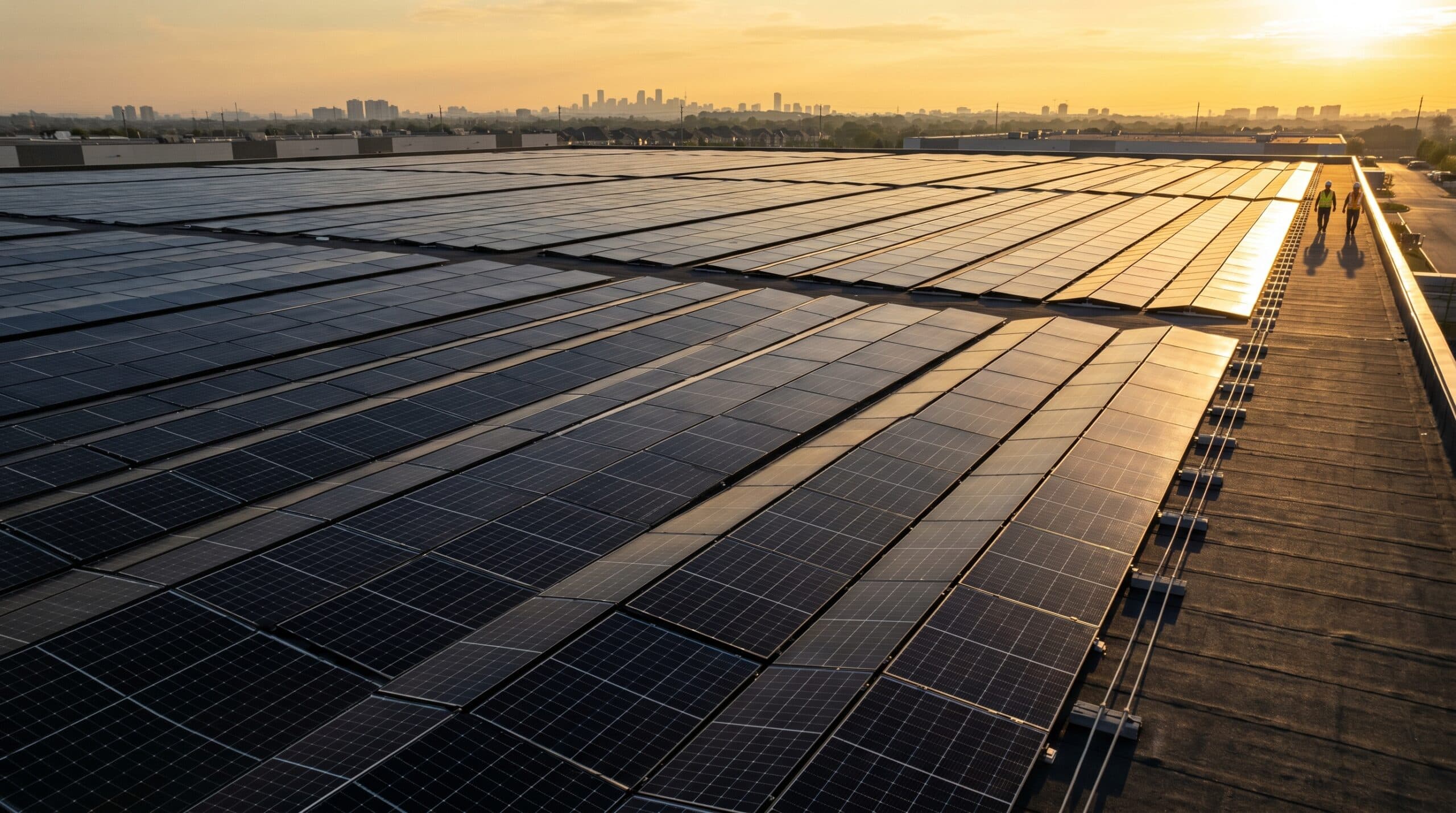
What the federal Powering Canada Strong strategy says about Ontario’s electricity future, and which programs Ontario homeowners and businesses can use today.
Powering Canada Strong is the federal government’s national electricity strategy, released by Natural Resources Canada in May 2026. It forecasts that Canada’s electricity demand will roughly double by 2050, and that Ontario’s will grow about 75% by 2050. It also estimates that over $1 trillion in investment will be needed to build the electricity system that growth requires. For Ontario homeowners, landlords and businesses, the strategy signals more electrification, more support for efficient heating and a growing need for skilled trades.
Key takeaways:
According to NRCan’s Powering Canada Strong page, the strategy:
If you used or missed the closed Canada Greener Homes programs, this household retrofit plan is the one to watch. Our Greener Homes replacement page tracks what’s known so far and lets you join the early list.
The strategy leans heavily on heat pumps. For many Ontario homes, especially those heated with oil, propane or electric baseboards, a cold-climate heat pump can cut energy use. Whether it cuts your bills depends on your current fuel, your home and local rates. Our heat pump vs furnace guide walks through the comparison.
As demand grows, generating part of your own electricity can reduce what you buy from the grid. Ontario’s net metering rules let you earn credits for surplus solar power. See our guide to solar interconnection in Ontario.
The strategy’s investment in trades training reflects demand for electricians and HVAC technicians. Planning ahead and booking qualified contractors early can help. See what certifications your contractor should have.
| Program | Who it’s for | What it offers |
|---|---|---|
| Home Renovation Savings Program (Save on Energy and Enbridge Gas) | Ontario homeowners | Rebates on eligible upgrades such as heat pumps, insulation, smart thermostats, and solar with battery storage |
| Peak Perks (Save on Energy) | Ontario homes and small businesses with a smart thermostat and central air conditioning | Incentives for brief thermostat adjustments at peak times |
| Net metering (O. Reg. 541/05) | Ontario customers with renewable generation | Bill credits for surplus electricity sent to the grid |
| Clean Technology Investment Tax Credit | Businesses (not individual homeowners) | Refundable tax credit of up to 30% on eligible solar, storage and heat pump investments |
Program details change, so confirm the current terms with each administrator. For a full list, see NRCan’s directory of provincial and territorial incentives. The federal Canada Greener Homes Loan is closed to new applicants; see our Greener Homes Loan update, and follow the new federal retrofit program on our Greener Homes replacement page.
Own a commercial or industrial building? See how commercial solar in Ontario can work for rooftop, ground-mount and multi-unit residential building (MURB) systems.
Powering Canada Strong forecasts much higher electricity demand in Ontario and backs heat pumps, retrofits and skilled trades to meet it. The strategy itself doesn’t hand out grants to individual properties, but existing programs, such as Ontario’s Home Renovation Savings Program, Peak Perks and net metering, can help you act now.
It’s the federal national electricity strategy released by Natural Resources Canada in May 2026. It sets out how Canada plans to meet rising electricity demand as more of the economy electrifies.
The strategy says Ontario’s electricity demand is forecast to grow about 75% by 2050, while national demand is expected to roughly double.
The strategy describes plans, including retrofits for up to one million households. For money available now, look at existing programs such as Ontario’s Home Renovation Savings Program and the incentives in NRCan’s provincial directory.
The Canada Greener Homes Loan is closed to new applicants. Here’s what that means for existing...
Most heat pump installations need an electrical permit, and many need a mechanical (HVAC) permit...
A step-by-step guide to connecting home solar to the grid in Ontario: your local utility, ESA...