
Solar Energy
Home Energy Upgrade Payback: Simple and Discounted Methods
Calculate home energy upgrade payback with a clear baseline, net annual benefit and simple...
4 min

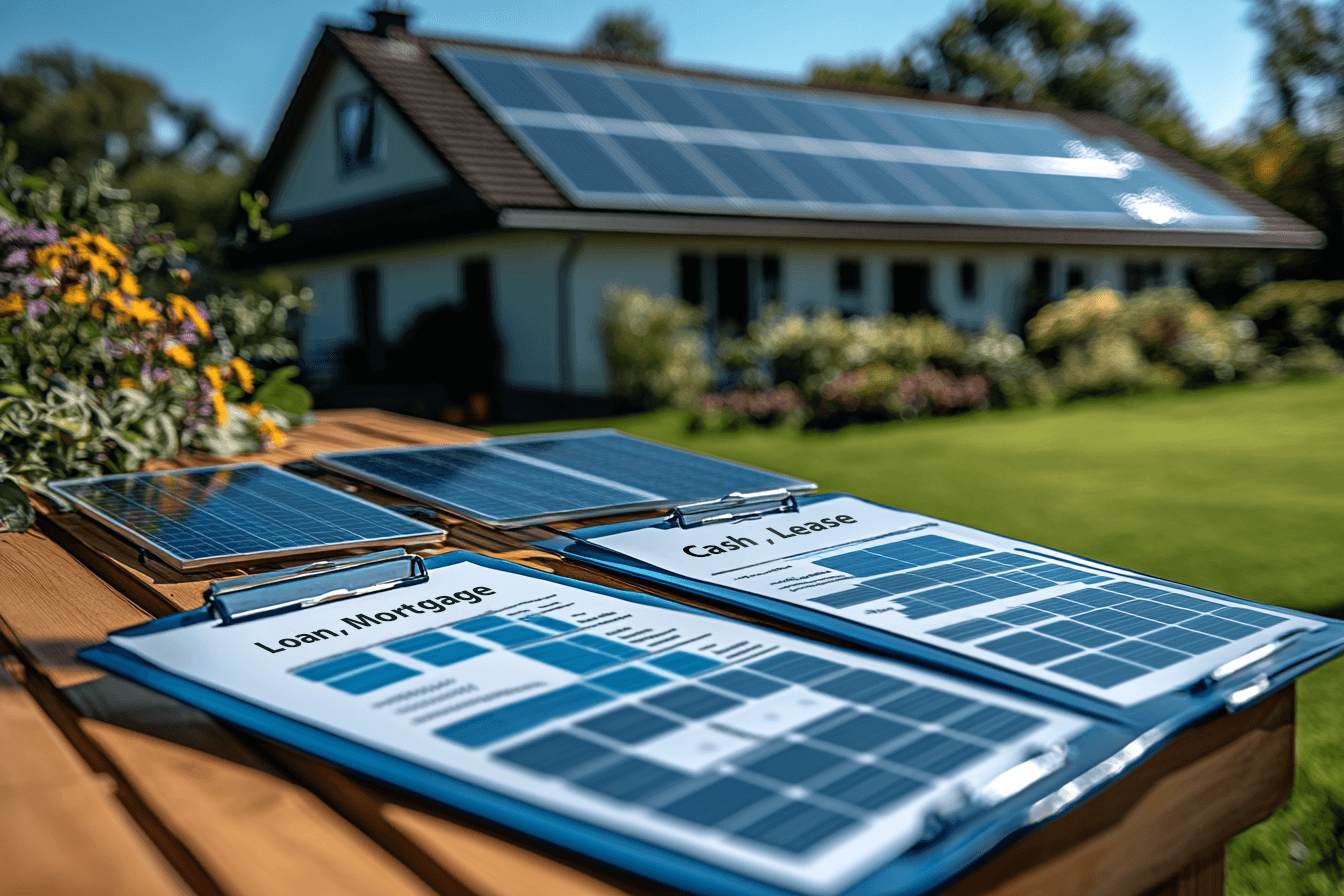
Compare solar payment quotes using the same scope and horizon, with payments made, balances remaining, services and exit costs shown separately.
To compare solar payment quotes, put every offer on the same project scope and time horizon. Canadian homeowners need to see both what they will pay and what obligation remains. A lower monthly figure can describe a different purchase, a longer repayment period or an agreement that never transfers equipment ownership.
This worksheet normalizes real offers. It is not a general financing overview, a lender ranking or a method for declaring the cheapest arrangement from a single payment.
List the equipment, array size, proposed layout, electrical work, approvals, commissioning and service included in the reference project. Put roof work, battery equipment and other optional items in separate rows. Ask each bidder to identify deviations.
Also request the cash installation price where relevant, even if you are considering supplier-arranged financing. Do not assume a financed price and a cash price include the same charges or concessions.
A five-year comparison should not treat a twenty-year agreement as finished after sixty payments. Record payments through the chosen date and separately identify remaining debt, required future payments, buyout conditions and ownership.
If comparing full terms instead, show that the periods differ and consider the equipment and services provided over those periods. Adding undiscounted payments across different horizons answers a narrower question than a complete economic comparison.
The following deliberately hypothetical example uses the same $20,000 cash installation scope. The loan payments are assumed for illustration, not a lender quotation or a calculated market rate.
| Offer | Paid initially | Paid over 60 months | Total paid by month 60 | Position at that date |
|---|---|---|---|---|
| Cash purchase | $20,000 | $0 scheduled finance payments | $20,000 | Purchased equipment; service and other ownership costs still need their own rows. |
| Loan-funded purchase | $2,000 deposit | 60 payments of $350 = $21,000 | $23,000 | Assume the written schedule fully repays the $18,000 advanced; verify actual terms. |
| Equipment lease | $0 in this example | 60 payments of $220 = $13,200 | $13,200 | Ownership, remaining term and buyout are unknown, so this is not an equivalent completed purchase. |
The table does not select a winner. It shows why $220 and $350 alone are insufficient. Additional fees, taxes, service, insurance and contractual obligations have deliberately not been priced; real comparisons must include applicable items.
For each loan, record the amount actually advanced, rate basis, fees, payment dates and whether scheduled payments reduce principal. FCAC’s loan guidance explains why the full agreement and cost matter.
For a HELOC, include the planned principal repayments and test a rate change rather than comparing its minimum with an amortizing loan instalment. FCAC notes the risks of interest-only repayment and home security. For mortgage-related borrowing, request a lender comparison showing effects on the existing mortgage as well as the new project funds.
For a lease, record the payment basis, escalation, services, ownership and end-of-term conditions. For a PPA, request the billed energy quantity, price changes and remaining utility charges. A solar-related payment is not automatically the household’s entire electricity bill.
Keep production and consumption assumptions consistent wherever feasible. Do not improve one offer’s appearance by giving it higher generation or unapproved assistance while excluding those assumptions from the other columns.
The solar financial-model guide supports the separate energy-value analysis. Keep that model linked to the worksheet without confusing projected savings with contract payments.
Ask the supplier or lender to fill missing cells in writing. A comparable quote leaves you able to explain the scope, payments, remaining obligations and responsibilities together.
Calculate home energy upgrade payback with a clear baseline, net annual benefit and simple...

Assess Ottawa winter solar production with a monthly evidence sheet covering snow assumptions,...
Check net-zero building code claims against the locally applicable code, defined performance...