Skip to content

Find EV Charger Installers Across Canada

Compare quotes from licensed electricians for Level 2 home charger installation. Solenery checks the charger rebates your address qualifies for first, so you know the charger and installer rules before you buy.

Free · No sign-up · See your rebates in seconds

  • Level 2 home and workplace chargers
  • Licensed electricians
  • Free, no-obligation quotes
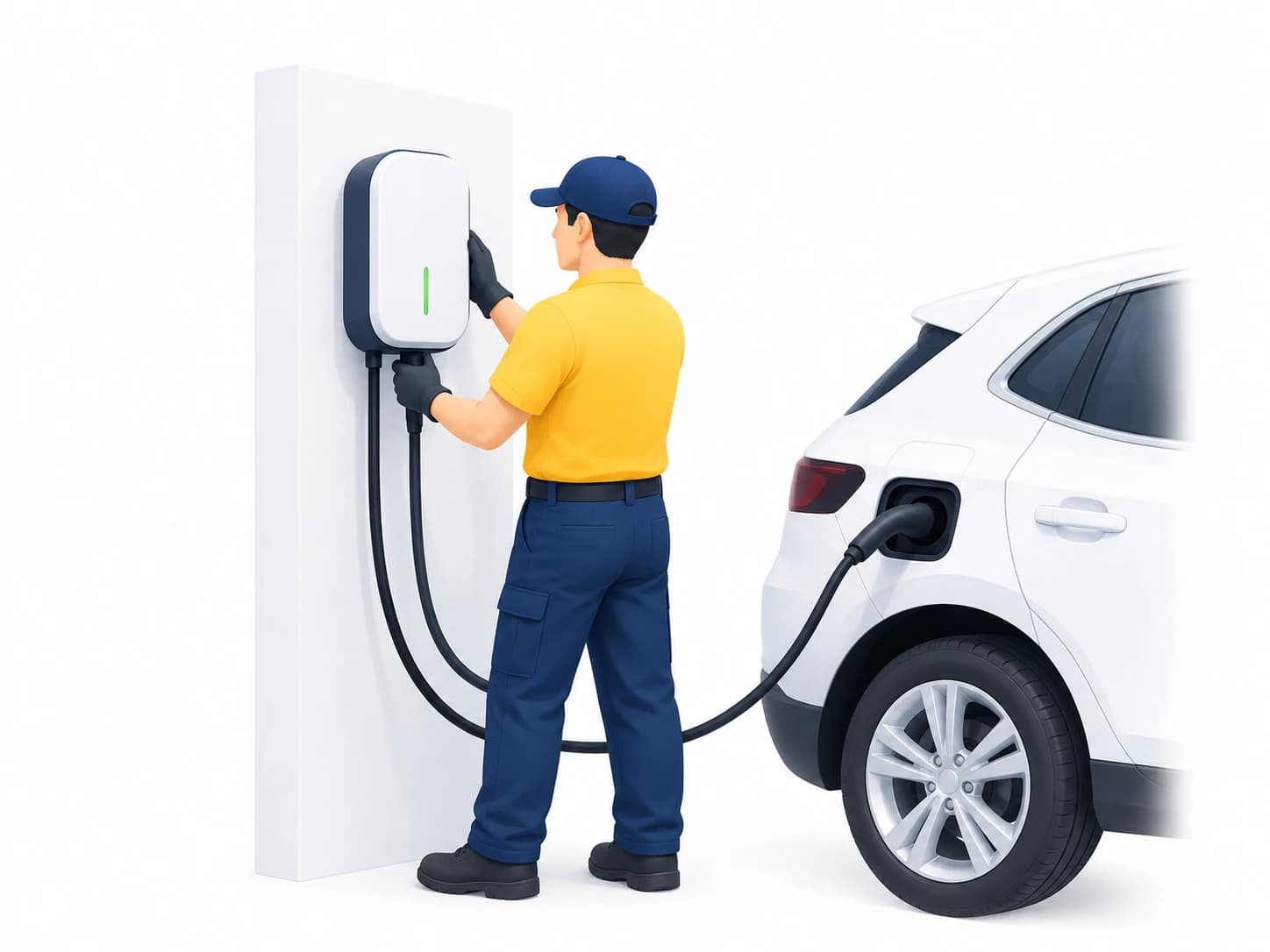
Illustration of an installer mounting an EV charger beside an electric car on a white background
3 open rebate programsChecked Sept 22, 2026
open rebate programs on this page
3
provinces with an open program
2
to compare quotes. No sign-up
$0
re-checked. Last on Sept 22, 2026
Monthly
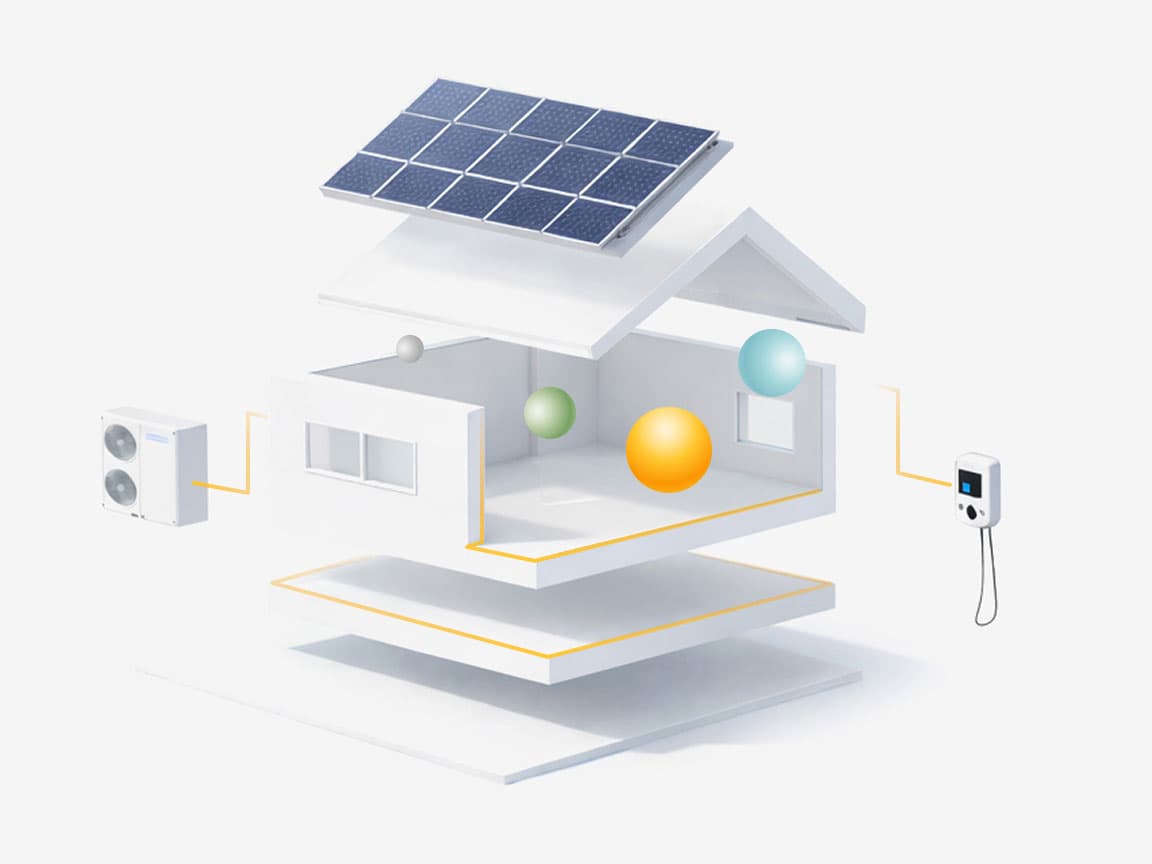
Cutaway diagram of a home with solar panels, a heat pump and an EV charger

Why a Licensed Electrician Installs Your Charger

A Level 2 charger runs on a dedicated high-voltage circuit, and rebate programs, permits and your insurer all expect the work to be done and inspected properly.

What a good EV charger installer takes care of

  • A load calculation to check your panel can carry the charger
  • A dedicated circuit, installed to the Canadian Electrical Code
  • The electrical permit and the inspection
  • An invoice that itemizes the charger and the labour, which rebates ask for

EV Charger Services You Can Compare Quotes For

Tell us about your property and get quotes from licensed electricians near you for:

Row of electricity meters and disconnects on an exterior wall

Home EV Charger Installation

For owners of houses and townhomes with a garage, carport or driveway, and for tenants with the owner's permission.

Common home charger projects

  • A wall-mounted Level 2 charger in the garage
  • An outdoor charger on the driveway
  • A new circuit run from the panel to the charger
  • A panel upgrade to make room for the charger

Commercial office buildings under construction beside a tower crane

Workplace and Multi-Unit Charging

For employers, strata councils, co-op boards and landlords who want to add shared or assigned charging.

Common workplace and multi-unit projects

  • Level 2 chargers for staff and fleet vehicles
  • Chargers for residents of a condo or apartment building
  • Electrical capacity planning for the whole building
  • Load management so many chargers can share the service

Larger work often needs a licensed electrical contractor, not just a licensed electrician. In Saskatchewan, for example, TSASK requires a licensed electrical contractor for EV chargers.

Level 1 vs. Level 2: Which EV Charger Do You Need?

Quick answer

Level 1 charging uses a standard 120-volt outlet. Level 2 uses a 208 or 240-volt circuit and is the kind home charger rebates pay for. BC's program, for example, doesn't cover Level 1 or portable chargers, or Level 3 DC fast chargers. A Level 2 charger needs a dedicated circuit, installed by an electrician.

Source: CleanBC Go Electric program guide. Charging speed depends on the charger, your vehicle and your circuit, so ask your installer what yours will deliver.

Do You Need a Panel Upgrade for an EV Charger?

Quick answer

It depends on a load calculation. The electrician checks whether your service can carry a Level 2 charger on top of everything else in the house. Homes with older 60 A or 100 A service are the most likely to need an upgrade, and many 200 A homes don't. Some programs count EV power management devices as eligible costs.

What Affects the Cost of Installing an EV Charger?

Quick answer

The charger itself is only part of the price. Installation cost depends on how far the charger is from the panel, whether the panel has room, whether the run goes through finished walls or outside, and permit fees. BC pays 50% of eligible costs up to $350 and Quebec pays $600 toward a home charger.

  • Distance from the panel. A longer run means more wire, more labour and sometimes trenching to a detached garage.
  • Panel capacity. A charger that doesn't fit on the existing service adds the cost of an upgrade.
  • The route. Running cable through finished walls or around obstacles takes longer than a short surface run in a garage.
  • Permit and inspection. Fees are set by your municipality or provincial regulator.
  • Charger features. Wi-Fi, app control and cable length vary by model. Some rebates only accept models on an approved list.
Checked against official pages · Sept 22, 2026

EV Charger Rebates (2026)

Home charger rebates come from provinces. BC pays 50% of eligible costs up to $350 for a Level 2 home charger, and Quebec's Écorecharge grant pays $600 if you own an electric vehicle. BC also funds multi-unit and workplace chargers. Programs set rules on the charger model and the installer, so check them before you buy.

Provincial programs

British ColumbiaOpen

CleanBC Go Electric Home and Workplace Charging

What it pays

Level 2 home charger: 50% of eligible costs, up to $350 ($750 for Indigenous residents). Covers the charger, installation labour, permits and electrical design. One rebate per address

Who qualifies

BC owners, or tenants with the owner's consent, in a principal residence that is a single-family home, mobile home on a permanent foundation, duplex, triplex, fourplex or side-by-side row home

Open while funding lasts. Program guide dated April 1, 2026. Apply within 6 months of the charger invoice

British ColumbiaOpen

CleanBC Go Electric Home and Workplace Charging: multi-unit buildings and workplaces

What it pays

Level 2 chargers: 50% of eligible costs, up to $2,000 per charger for a standalone multi-unit or workplace install ($1,400 under an EV Ready plan), and no more than $14,000 per building or workplace. Residents of a multi-unit building need signed consent from the strata, co-op board or landlord

Who qualifies

Strata councils, co-op boards and rental owners of multi-unit residential buildings, and BC workplaces

Open while funding lasts. Program guide dated April 1, 2026

QuebecOpen

Québec Écorecharge home charging station grant

What it pays

$600 toward buying and installing a home charging station

Who qualifies

Quebec residents who own an electric vehicle

Open

Source: each program's official page (linked) · as of Sept 22, 2026. Amounts change often, so confirm on the official page before you apply. Other provinces: enter your address to see your programs.

See the rebates for your address

Enter your address to see the programs you qualify for and a quick snapshot of your home's energy use. It takes seconds and you don't need to sign up.

How to Finance It

Some cities and utilities lend for energy upgrades and collect the repayment on your property tax or utility bill, so you pay nothing up front. A loan has to be paid back with interest, so check the rate and the fees first.

Toronto, ONOpen

Home Energy Loan Program (HELP)

Most you can borrow
The lesser of $125,000 or 10% of the property's assessed value
Rate
Published rates were valid to Sept 30, 2026: 3.34% (5 years), 4.01% (10), 4.46% (15) and 4.75% (20), plus a 2% administration fee. The page still showed those rates on Oct 5, 2026, so confirm the current ones
Term
5, 10 or 15 years. 20 years for windows, heat pumps, solar and geothermal only
Repaid through
Property tax bill, in 11 monthly instalments a year

Open to applicants

Ottawa, ONOpen

Better Homes Loan

Most you can borrow
The lesser of $125,000 or 10% of the property's assessed value, and at least $10,000
Rate
4.33% fixed, plus a 4% administration fee added to the loan
Term
20 years
Repaid through
Property tax bill, as a Local Improvement Charge. Borrowers enrol in the City's pre-authorized debit plan

Open to applicants

Manitoba Hydro customers, MBOpen

Home Energy Efficiency Loan

Most you can borrow
$12,500 per residence
Rate
6.20% on approved credit for the first 5 years, then market rates
Term
Up to 5 years. Up to 15 years for heat pumps, furnaces, boilers and solar
Repaid through
Monthly payment on your Manitoba Hydro bill

Open. Detached or semi-detached homes. Approval is needed before any work starts

Source: each loan's official page (linked) · as of Oct 5, 2026. Loans are repaid with interest, and they're separate from the rebates above. Other cities and utilities run similar programs: enter your address to see the ones near you.

Which Chargers Qualify for the BC Rebate?

Quick answer

BC's CleanBC Go Electric program pays for a new Level 2 charger with a J1772 or NACS connector, certified for sale in Canada, bought (not leased) from a Canadian supplier. Check the approved model list before you buy, apply within six months of the charger invoice, and don't expect to combine it with other provincially funded rebates.

  • The invoice must list the charger's model number and price. Without a price, the charger isn't eligible.
  • It must be a new installation or an expansion, not a replacement of an existing charger. Tesla-manufactured chargers aren't eligible at this time.
  • Eligible costs include the charger, installation labour, electrical permits, electrical design and EV power management devices. Taxes and an outlet on its own aren't eligible.
  • Installation must be by a licensed electrician. For single-family homes only, the requirement can be waived if Technical Safety BC or the municipality inspects and approves the job.

Source: CleanBC Go Electric program guide, dated April 1, 2026. Quebec's Écorecharge grant has its own rules, so read them before you buy.

Do You Need a Permit to Install an EV Charger?

Quick answer

Yes: a Level 2 charger is a new electrical circuit, so it needs a permit or notification and an inspection through your provincial regulator, arranged by a licensed electrician. BC rebates ask for the electrical permit with your application. In Saskatchewan, TSASK requires a licensed electrical contractor for EV chargers.

Can You Install an EV Charger in a Condo or at Work?

Quick answer

Often, with approval. In BC, strata councils, co-op boards and landlords can get 50% of eligible costs up to $2,000 per charger for a standalone multi-unit or workplace install, capped at $14,000 per building or workplace. A resident who wants a charger needs signed consent from the strata, co-op board or landlord.

  • Start with the building's capacity: many chargers share one service, so ask an electrician about load management.
  • Get the board's or landlord's consent in writing before you buy a charger.
  • Employers should ask for a quote that sizes the electrical service for the chargers they may add later.
  • Source: CleanBC Go Electric program guide.

What Does Electricity Cost for Home Charging?

Quick answer

At home you pay your utility's price for each kilowatt-hour the vehicle takes. We list only the prices we read on the utility's own page. To estimate a charge, multiply the kilowatt-hours your vehicle uses by your price. Its consumption is in the manufacturer's specifications.

Prices as of Oct 5, 2026. Prices change on set dates, such as April 1 and, in Ontario, November 1. Check your utility's page for your own rate, including time-of-use options.
UtilityResidential energy priceDaily chargeSource
BC Hydro, tiered rate11.87¢/kWh up to about 675 kWh a month (22.1918 kWh a day), then 14.08¢/kWh23.44¢ a dayPrice on BC Hydro's page, Oct 5, 2026
Hydro-Québec, Rate D7.065¢/kWh for the first 40 kWh a day, then 11.142¢/kWh for the rest46.154¢ a dayRates effective Apr 1, 2026

How to Choose an EV Charger Installer

Quick answer

Choose a licensed electrician who does a load calculation, pulls the permit and itemizes the charger, labour and permit on the invoice. Compare at least three written quotes that list the same charger or its specs, the circuit size, the wire run and whether inspection fees are included.

  • Check the licence with your provincial regulator (see electricians).
  • Ask whether the charger is on your rebate program's approved list before it is ordered.
  • Ask for an itemized invoice: rebate programs want the charger price and the labour shown separately.
  • Red flags: offering to skip the permit, a charger with no model number on the quote, or cash-only discounts.

From Quote to Rebate: How a Project Works

Solenery is a marketplace, not a contractor. We check your incentives first, then help you compare quotes from vetted local pros, so you choose the right EV charger installer with the full cost in view.

  1. 1

    Check programs first

    Enter your address. Charger rebates have rules on the model, the installer and the application deadline.

  2. 2

    Load calculation and quotes

    Each electrician checks your panel and service size and works out whether a charger fits before quoting.

  3. 3

    Choose a qualifying charger

    Confirm the model is on your program's approved list, and get the invoice to show the model and price.

  4. 4

    Permit and installation

    The licensed contractor pulls the permit, installs the circuit and the charger, and arranges the inspection.

  5. 5

    Keep your paperwork

    Keep the charger invoice, the itemized installation invoice, the permit and a photo of the installed charger.

  6. 6

    Claim your rebate

    Apply within the program's deadline: BC wants applications within 6 months of the charger invoice.

Solenery listing the incentive programs matched to an address

Step 1 in Solenery: the programs matched to your address

What is Solenery?

A short explainer on how Solenery matches your rebates and helps you compare contractor quotes.

EV Charger FAQs

Answers checked against government and official program pages.

Yes, from provinces. BC's CleanBC Go Electric program pays 50% of eligible costs up to $350 for a Level 2 home charger, and Quebec's Écorecharge grant pays $600 toward buying and installing a home charger if you own an electric vehicle. Both have rules on the charger and the installer.

Level 1 charging uses a standard 120-volt outlet. Level 2 uses a 208 or 240-volt circuit and needs a dedicated circuit installed by an electrician. Rebate programs such as BC's cover Level 2 chargers only, not Level 1, portable or DC fast chargers.

It depends on a load calculation. Homes with older 60 A or 100 A service often need an upgrade before adding a Level 2 charger, while many 200 A homes don't. Ask the electrician for the calculation in writing before you buy.

Yes. A Level 2 charger is a new circuit, so it needs a permit or notification and an inspection through your provincial regulator, arranged by a licensed electrician. BC's rebate asks for the permit with your application, and Saskatchewan requires a licensed electrical contractor.

Often, with approval. A resident of a multi-unit building needs signed consent from the strata council, co-op board or landlord. In BC, buildings can get 50% of eligible costs up to $2,000 per charger, capped at $14,000 per building.

A new Level 2 charger with a J1772 or NACS connector, certified for sale in Canada, bought rather than leased from a Canadian supplier, and installed by a licensed electrician. Check the approved model list first, and apply within 6 months of the charger invoice.

Mostly the distance from the panel, whether the panel has room, how hard the wire run is, and permit fees. Compare at least three written quotes that show the charger, the labour and the permit separately.

Get Free EV Charger Installation Quotes

Enter your address to see the charger rebates for your area, then compare quotes from licensed electricians near you.

Free · No sign-up · No obligation

Cutaway illustration of a home with a heat pump and solar panels

Are you an EV charger installer?

Homeowners on this page are planning their projects now. Join Solenery Pro free and quote on projects in your area.

Join Solenery Pro free
Clean energy installer at work

How We Research This Page

Last updated: .

Every rebate amount, status and deadline on this page was read on the program's official page and is dated next to it. We re-check each program monthly, because amounts and deadlines change often. Always confirm with the program before you apply.

Facts and figures come from government departments, utilities and safety regulators, linked next to each figure and listed here. We don't publish price ranges: costs depend on your home, so we explain what drives them and let contractors quote.

Solenery is a marketplace. It connects homeowners with contractors and doesn't install anything itself.