

Skip to content
Eligible heat pumps installed from November 1, 2026 can be claimed when applications open in early 2027.
Canada

National Heat Pump Rebate

Get up to $10,000 for a new heat pump

Check your rebate eligibility for free

  • 100% free
  • No energy audit needed
  • No obligation
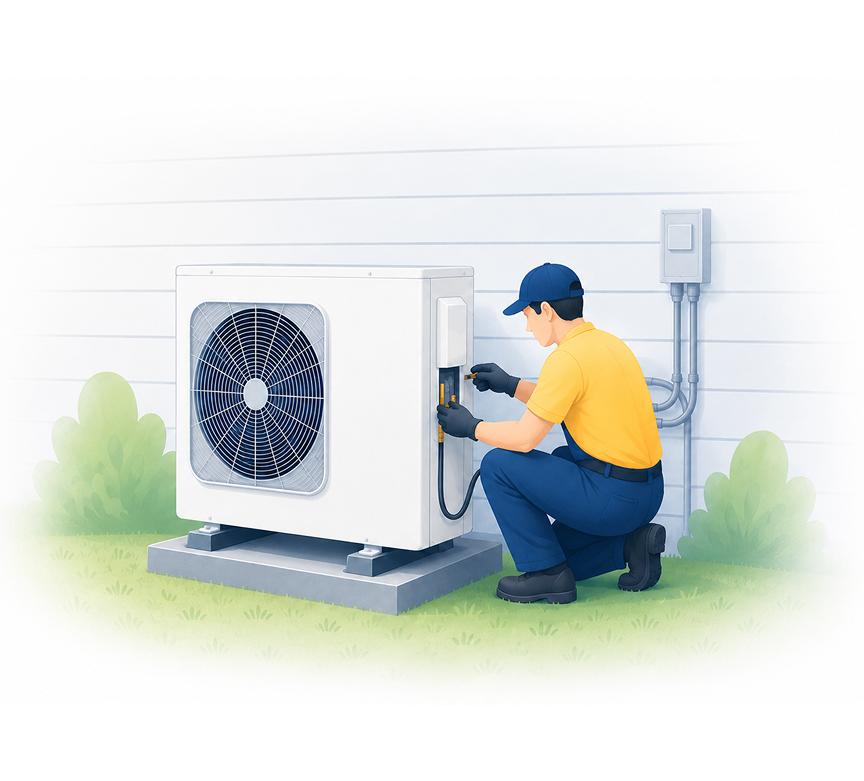
Illustration of a technician connecting an outdoor air-source heat pump beside a home

How much is the National Heat Pump Rebate?

$2,000Households above the income limitStandard rebate
Most savings
$10,000Low- to median-income householdsUp to this amount, depending on equipment cost
+ Provincial rebatesMay combine where each program allowsConfirm stacking with each administrator

Applications open through an online portal in early 2027. Eligible installations from November 1, 2026 can be claimed once it opens, under the rules in force on the installation date. No payments are made before launch and approval. The higher amount applies at or below the income limit for your province and household size.

See the rebates for your address

Free signup. Compare quotes as providers respond. Entering an address does not apply for a rebate or request quotes.

Start with your address

From your address to heat pump quotes

Three steps to see what may apply to your home and compare quotes from vetted heat pump providers. Entering an address does not submit an application. Availability varies; Solenery does not install equipment or decide government eligibility.

  1. 1

    Enter your address

    Takes 30 seconds

  2. 2

    See your rebates

    Federal + provincial

  3. 3

    Compare free quotes

    From vetted local installers

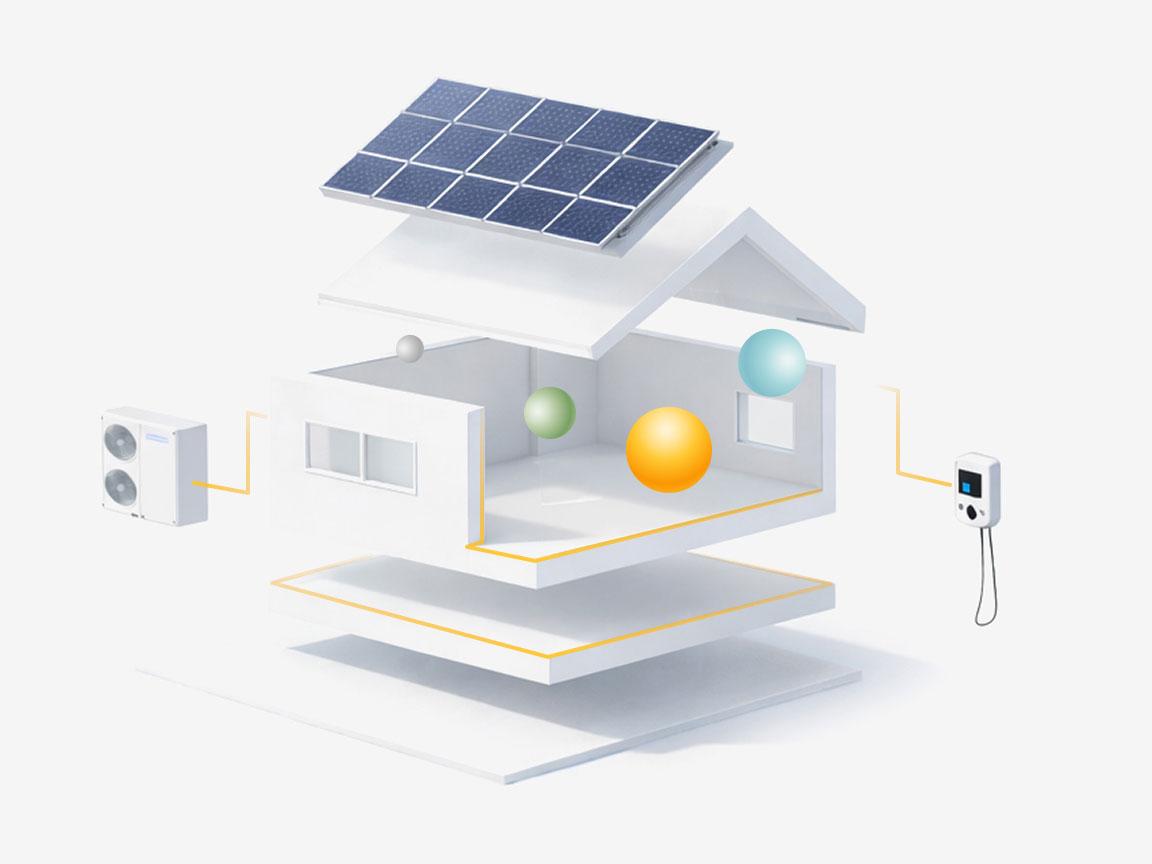
Illustration of home upgrades including solar and a heat pump

Heat Pump Rebates: Your Questions Answered

Answers checked against government and official program pages.

The upcoming National Heat Pump Rebate offers $2,000 for eligible households, or up to $10,000 for eligible low- to median-income households.

Read the official program rules

Canadian residents who own the home, including a property they rent out, and install an eligible system from November 1, 2026. A heat pump system on NRCan’s eligible product list (checked by AHRI number), able to heat the whole home, and bought from and installed by an HVAC contractor. One rebate per household, even if you own more than one property, and no previous federal heat-pump funding at the address. The higher amount depends on household after-tax income from your 2025 tax return; the program checks it with the CRA when you apply. Rules can still change, and provincial and utility programs have their own conditions.

See the income limits

Applications open through an online portal in early 2027. Eligible installations from November 1, 2026 can be claimed once it opens, under the rules in force on the installation date. No payments are made before launch and approval. Use Solenery now to explore program information, sign up free and compare heat-pump quotes as providers respond. For other rebates, check whether approval is required before work starts.

Use Solenery to prepare — sign up free

Solenery is a Canadian clean energy platform that connects property owners with the incentives that may apply to them and vetted providers. Enter your address and we match eligible incentives, then show your estimated net cost and payback so you can compare quotes side by side. Prefer to talk it through? The Solenery AI Advisor assesses your property and points you to the upgrades and programs worth exploring. Sign up free, confirm your property and choose your upgrades before requesting quotes; local availability varies. Solenery does not install equipment, submit your government application automatically or reserve rebate funding.

Use Solenery to prepare — sign up free

Only when each program’s rules allow it. Eligible-cost limits, combined funding caps, exclusions and approval order determine what can be combined; program maxima cannot simply be added together. Confirm stacking with each administrator before budgeting. Loans must be repaid and tax measures follow their own rules.

No. Program administrators decide eligibility and funding under their current rules. Confirm who submits each application—you or your provider—and obtain any required approval before work starts. Solenery does not award grants or reserve funding. Keep eligible model evidence, itemized invoices, receipts and approval references.

Yes. A reversible heat pump supplies heating and cooling. Whole-home comfort still depends on sizing and distribution: one ductless head does not automatically condition every closed room.

No. Compare the selected model’s low-temperature output with the home’s design heating load. Some projects need supplemental heat and a documented control strategy.

It depends on the program. The federal rebate is not available if federal funding was previously provided for a heat pump at the address; its published rules don’t otherwise address replacements. Some provincial offers target a switch from other heating and exclude replacement heat pumps. Confirm the existing-equipment and model rules before ordering.

Yes. Gas, electric, oil, propane, diesel, coal and wood heating are all covered, and you don’t need to remove your furnace. The program notes that switching from gas may not lower your heating bills; that depends on your region, rates and equipment.

Yes, if you own it. The home doesn’t need to be your primary residence. The limit is one rebate per household, even if you own more than one property.

The program supports systems that can heat your entire home and encourages you to confirm sizing with your contractor. It doesn’t set a numeric sizing rule or require you to remove backup heating.

How sizing works

Not for the same address if federal funding was previously provided for a heat pump there. Federal funding for other upgrades isn’t mentioned as a bar. Check the official rules for your situation.

The HVAC guide covers broader heating, furnace, air-conditioning and ventilation projects. This guide focuses on heat pump design and installation.

Explore HVAC contractors

Request the same scope from each provider: matched model identifiers, winter capacity, backup, commissioning, electrical work, mounting and condensate management, plus labour, extras, permits, warranty, exclusions and who prepares rebate documents. Compare confirmed support separately from project cost and repayable loans.

Compare project options

See the rebates for your address

Free signup. Compare quotes as providers respond. Entering an address does not apply for a rebate or request quotes.

Start with your address

Find Your Heat Pump Location

Choose a province to explore its guide and every supported city. These guides cover our current location inventory; check your address for the available next steps.

Ontario

Explore heat pump installation, rebates, and local guidance.

Explore

View the province-wide heat pump guide for Ontario.

Who can get the National Heat Pump Rebate?

The checks the federal government published on November 1, 2026. You apply once the portal opens in early 2027; funding is only confirmed when your application is approved.

  • You own the home and live in Canada

    It doesn’t need to be your primary residence; a property you rent out can qualify. If your home is owned by your community’s Indigenous government, you meet this criterion.

  • The system is on the eligible product list

    Look up the AHRI number of the matched system — outdoor unit with its indoor unit, air handler or furnace — not just the brand.

  • An HVAC contractor supplies and installs it

    It must be bought from and installed by an HVAC contractor and able to heat your whole home. No energy audit is needed before or after.

  • Installed on or after November 1, 2026

    Planned and emergency installations both count. You don’t need to remove your current system or prove it broke down.

  • Any current heating fuel

    Electricity (furnace or baseboards), natural gas, heating oil, propane, diesel, coal or wood.

  • A first federal heat pump rebate

    One rebate per household, even if you own more than one property, and no previous federal heat-pump funding at the address.

Source: ECCC program rules (français), published ; checked . Rules can still change.

Income limits for the up-to-$10,000 rebate

Your household’s after-tax income must be equal to or less than the amount for your province or territory and household size. Households above it may be eligible for $2,000.

  1. Take line 23600 (net income) from your 2025 income tax return.
  2. Subtract line 43500 (total taxes payable).
  3. If you have a spouse or common-law partner, do the same for them and add the two results.
  4. Compare the total with the amount for your province or territory and household size. If it is equal to or less than that amount, you may qualify for the higher rebate.

Median after-tax household income in 2025 dollars (Statistics Canada 2021, adjusted for inflation). Columns are household size in people.

Median after-tax household income in 2025 dollars (Statistics Canada 2021, adjusted for inflation). Columns are household size in people.
Province or territory12345+
Newfoundland and Labrador$36,434$76,704$109,064$136,629$142,622
Prince Edward Island$38,831$80,899$103,071$124,644$134,232
Nova Scotia$38,831$80,300$103,071$125,843$131,835
New Brunswick$38,352$78,502$104,270$127,041$131,835
Quebec$41,228$82,097$107,865$134,232$140,225
Ontario$46,981$92,884$119,850$146,217$158,202
Manitoba$43,146$85,693$106,667$125,843$128,240
Saskatchewan$45,543$92,884$112,659$134,232$133,034
Alberta$50,816$99,476$123,446$145,019$152,210
British Columbia$46,981$92,884$119,850$145,019$170,187
Nunavut$82,697$128,240$128,240$137,828$146,217
Northwest Territories$71,431$135,431$160,599$186,966$188,165
Yukon$56,090$115,056$145,019$170,187$191,760

The table shows which tier you may fall into, not your exact amount: the higher rebate is up to $10,000 and also depends on the cost of the equipment installed. When you apply, you provide your Social Insurance Number and the program confirms your income with the Canada Revenue Agency. Solenery never asks for your SIN or tax documents.

ECCC never sells door-to-door or makes marketing calls about this rebate. Contact qualified companies yourself.

Source: ECCC program rules (français), published ; checked . Rules can still change.

See the rebates for your address

Free signup. Compare quotes as providers respond. Entering an address does not apply for a rebate or request quotes.

Start with your address

How much does a heat pump cost in Canada?

A federal estimate puts the average cost to buy and install a heat pump at $18,400. Here’s what that would cost if your rebate application is approved.

~$18,400Average installed costBefore any rebate
~$16,400After a $2,000 rebateIf approved for the standard amount
~$8,400After a $10,000 rebateIf approved for the full amount

You pay the installer the full price first. The rebate is paid after your application is approved, no earlier than the portal’s launch in early 2027. The full amount depends on household income and the cost of the equipment installed.

Sources: Government of Canada (average incl. panel work and sometimes oil tank removal, stated for the oil-to-heat-pump program in 2023) · BC Government (typical $8,000–$19,000). Your price depends on your home. Provincial rebates can lower it further.

Equipment and receipts: what to get from your installer

Your contractor supplies the evidence; you submit the application. Settle both before you sign the quote.

Check the matched system

Ask for the AHRI number of the complete system — outdoor unit with its indoor unit, air handler or furnace — and look it up on NRCan’s eligible product list. A brand or outdoor model alone doesn’t confirm eligibility.

The system should be able to heat your whole home. Sizing is a technical design question for your installer, separate from the rebate check.
The receipt must show

  • Name and address of the person who will apply
  • Name of the company installing the heat pump
  • Make, model and AHRI number of the installed equipment
  • Number of heat pumps installed
  • Total project cost, including directly related work such as ductwork and electrical upgrades

Submit receipts within six months. The program hasn’t said when the six months start, so keep them ready from installation day. We also suggest keeping proof of the installation date, the commissioning record and proof of payment.

Read the full homeowner guide

Why choose a heat pump?

  • Lower energy costs
  • Heating + cooling in one
  • More efficient
  • Lower emissions
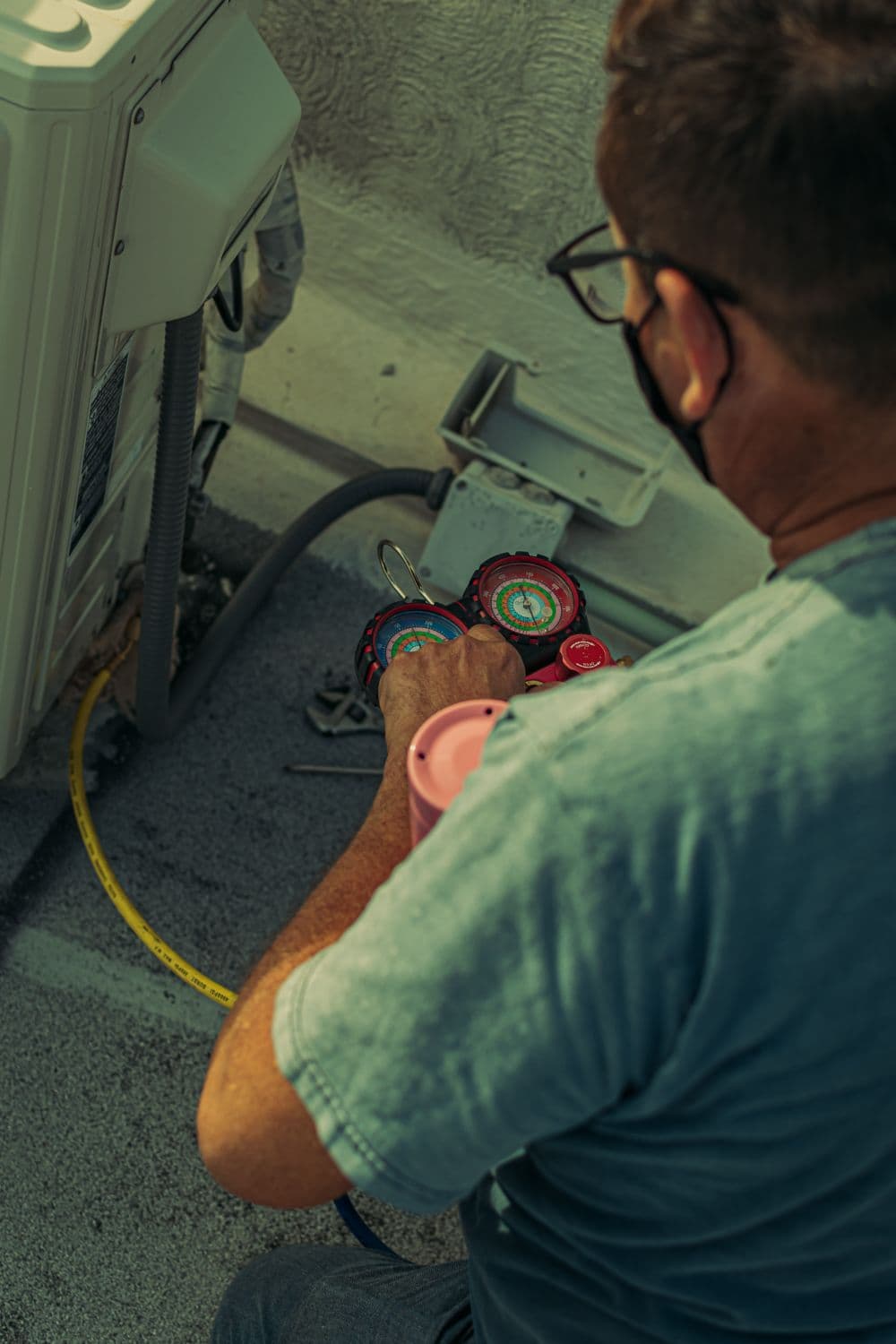
Technician checking refrigerant gauges on an outdoor heat pump unit

Comfort Starts With the Right Design

A heat pump moves heat instead of generating it by burning fuel. It can heat in winter and cool in summer, but its output, running cost and need for backup depend on the model, outdoor temperature and your home.

What a suitable heat pump plan includes

  • A room-by-room heating and cooling load calculation
  • Heating capacity at your local winter design temperature
  • A documented backup strategy and control settings
  • A quiet outdoor location, drainage and access for servicing
  • Electrical capacity and permits checked before installation
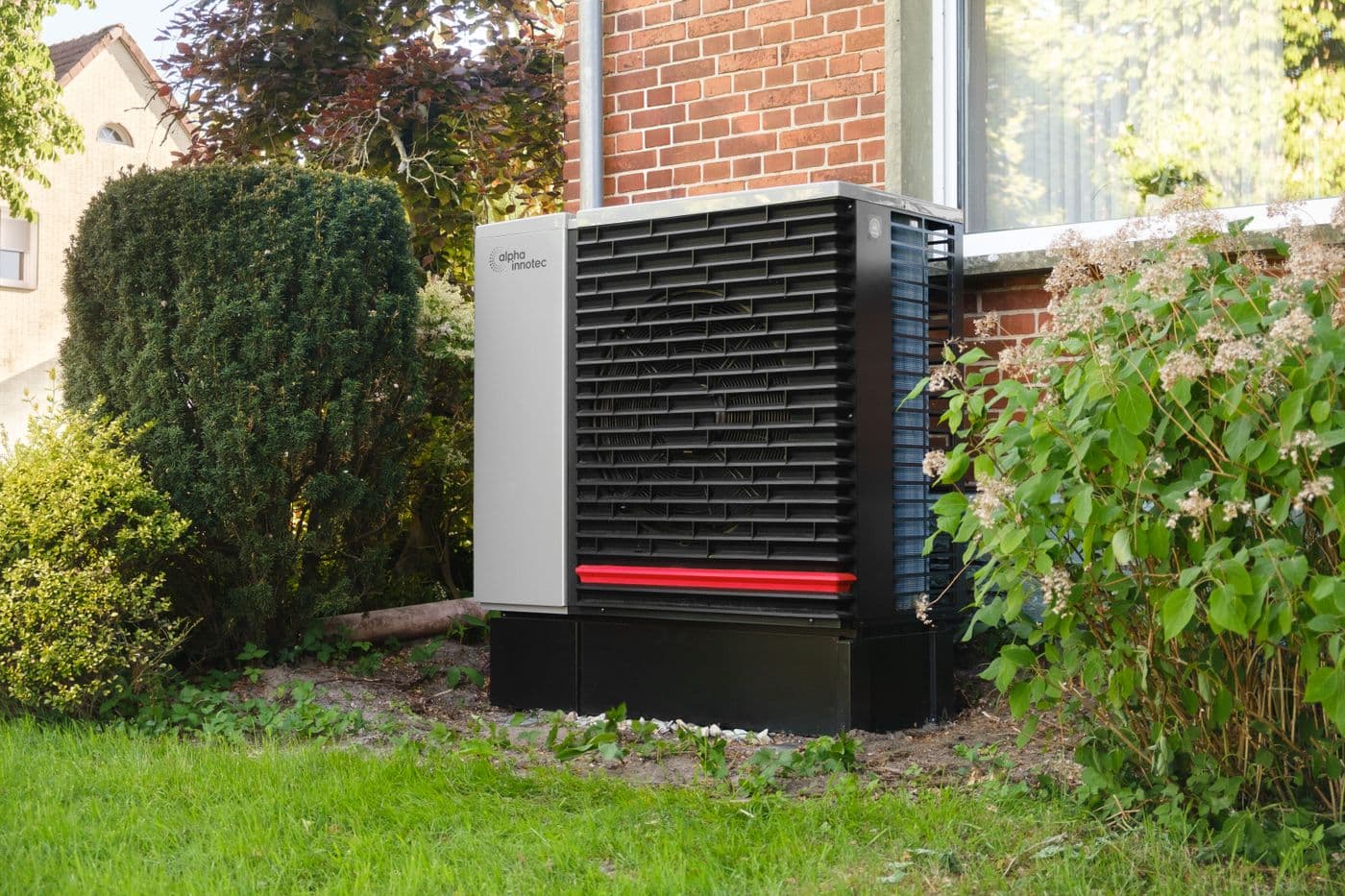
Outdoor heat pump unit beside a brick house and garden

Heat Pumps for Homeowners

Replacing a furnace or air conditioner, moving away from oil, or adding cooling to a baseboard-heated home starts with a building assessment.

Compare the complete installation

  • Heat loss, cooling needs and room-by-room distribution
  • Existing duct condition or the number and position of indoor heads
  • Equipment eligibility and pre-approval for your chosen program
  • Removal of old equipment, commissioning and warranty
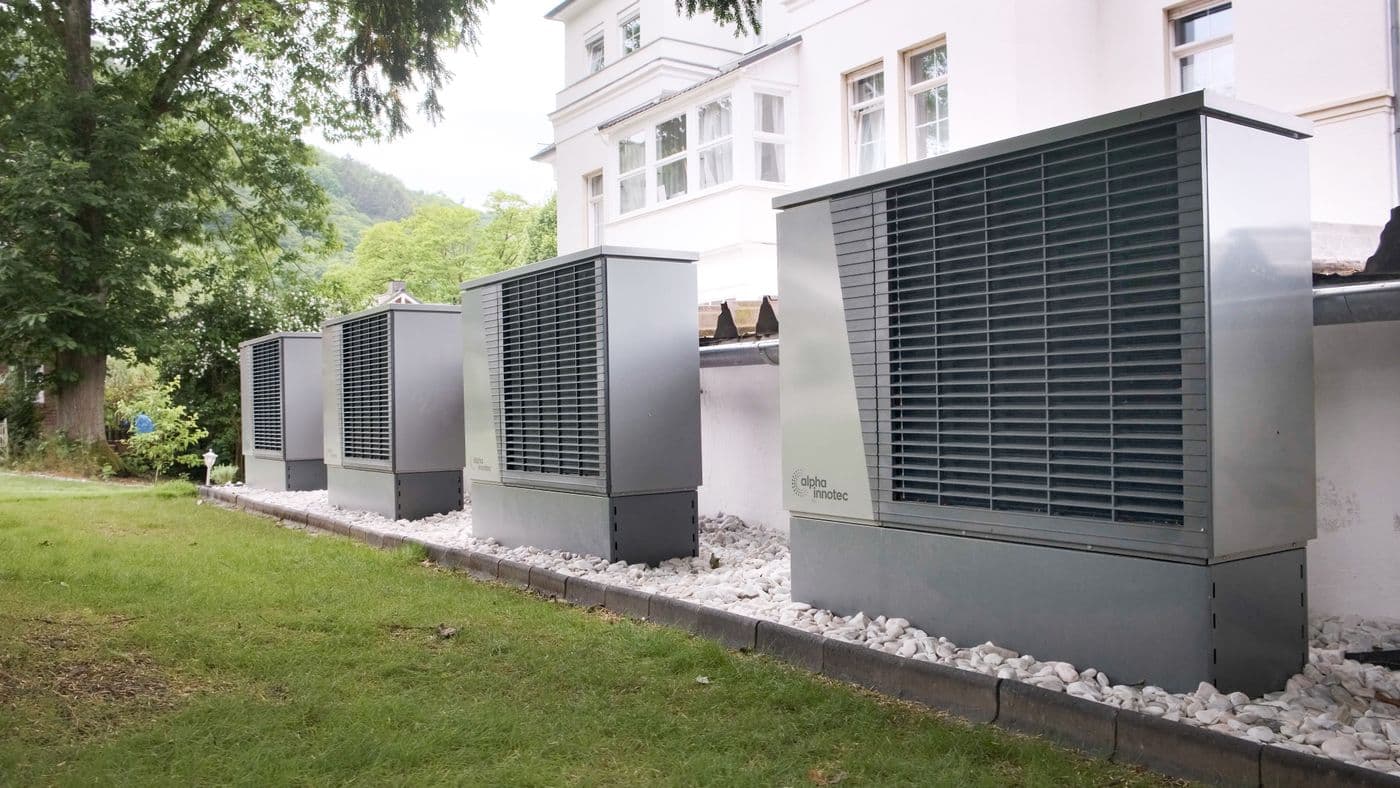
Row of outdoor heat pump units along the side of a larger building

Heat Pumps for Rental and Commercial Buildings

Multiplex, strata and business projects need a building-specific assessment. The residential rebate tables below do not establish business or whole-building eligibility.

Resolve building-wide decisions first

  • Owner, strata and common-property approvals
  • Electrical service capacity and cost allocation
  • Ventilation and tenant access during installation
  • A separate check of commercial incentives and maintenance needs

Compare heat-pump options

Quick answer

Start with the scope that suits your property, then compare written proposals using the same assumptions. These are project options, not a catalogue of available models or a promise of eligibility.

Compare suitability and ask the same questions of each provider. Final design requires a site assessment.
OptionWhen to consider itWhat to request
Ducted heat pumpWhole-home coverage where existing ducts can carry the required airflow.Ask for a room-by-room load calculation, duct assessment and matched indoor/outdoor model identifiers.
Ductless or multi-zoneHomes without suitable ducts, additions or rooms needing separate control.Compare head placement, room coverage, condensate drainage and performance when several zones run.
Cold-climate and backup strategyCompare winter capacity for either ducted or ductless systems; cold-climate is a performance category.Request capacity at local design temperature, backup controls, electrical work, outdoor clearances and noise details.

Before you hire: compare the full scope

Matched model identifiers, winter capacity, backup, commissioning, electrical work, mounting and condensate management. Ask each provider to itemize equipment or materials, labour, extras, permits, exclusions, warranty and responsibility for rebate documents. Confirm eligible equipment, pre-approval and stacking with the program administrator before signing.

Budget separately: project cost → confirmed grant support → remaining cost. Any borrowing is repayable, with its own interest, fees and approval. Unconfirmed rebates are not awarded savings.

Should You Choose Ducted or Ductless?

Quick answer

Existing usable ducts can make a central heat pump practical. A home without ducts may suit one or more ductless indoor heads. Neither layout is automatically best: the installer should calculate room loads and explain how heat and cooling will reach rooms with closed doors.

  • Ducted

    Check duct leakage, airflow, static pressure and the match between the indoor coil and outdoor unit. Reusing ducts does not mean they need no changes.
  • Ductless

    Discuss head locations, refrigerant line routes, condensate drainage and bedroom comfort. Several heads share the outdoor unit’s available capacity.
  • Replacement

    Recheck the load and product match when replacing an existing heat pump. The federal rebate excludes addresses that already received federal heat-pump funding; other programs may exclude replacements.

How Should the Installer Size Your Heat Pump?

Quick answer

Request a room-by-room load calculation using an appropriate Canadian design method such as CSA F280, followed by model selection at the local winter design condition. Floor area or the old furnace’s rating alone does not establish the heat pump size. Envelope improvements can change the load.

Ask for

  • The design temperature and calculated load
  • Equipment output and efficiency at that temperature
  • The airflow or indoor-head plan for each room

Avoid

  • A size chosen only from square footage
  • A cooling rating presented as proof of winter capacity
  • A promised saving without your rates and present heating use

Will a Heat Pump Cover the Coldest Days?

Quick answer

Cold-climate models can operate at lower outdoor temperatures than standard equipment, but operating temperature is not the same as full heating capacity. Compare the model’s output with the home’s load. The installer should explain the balance point, defrost behavior and whether electric or fuel-fired backup is needed.

  • Backup controls

    Agree which system runs at each temperature and what happens if the heat pump fails. Have controls commissioned and documented.
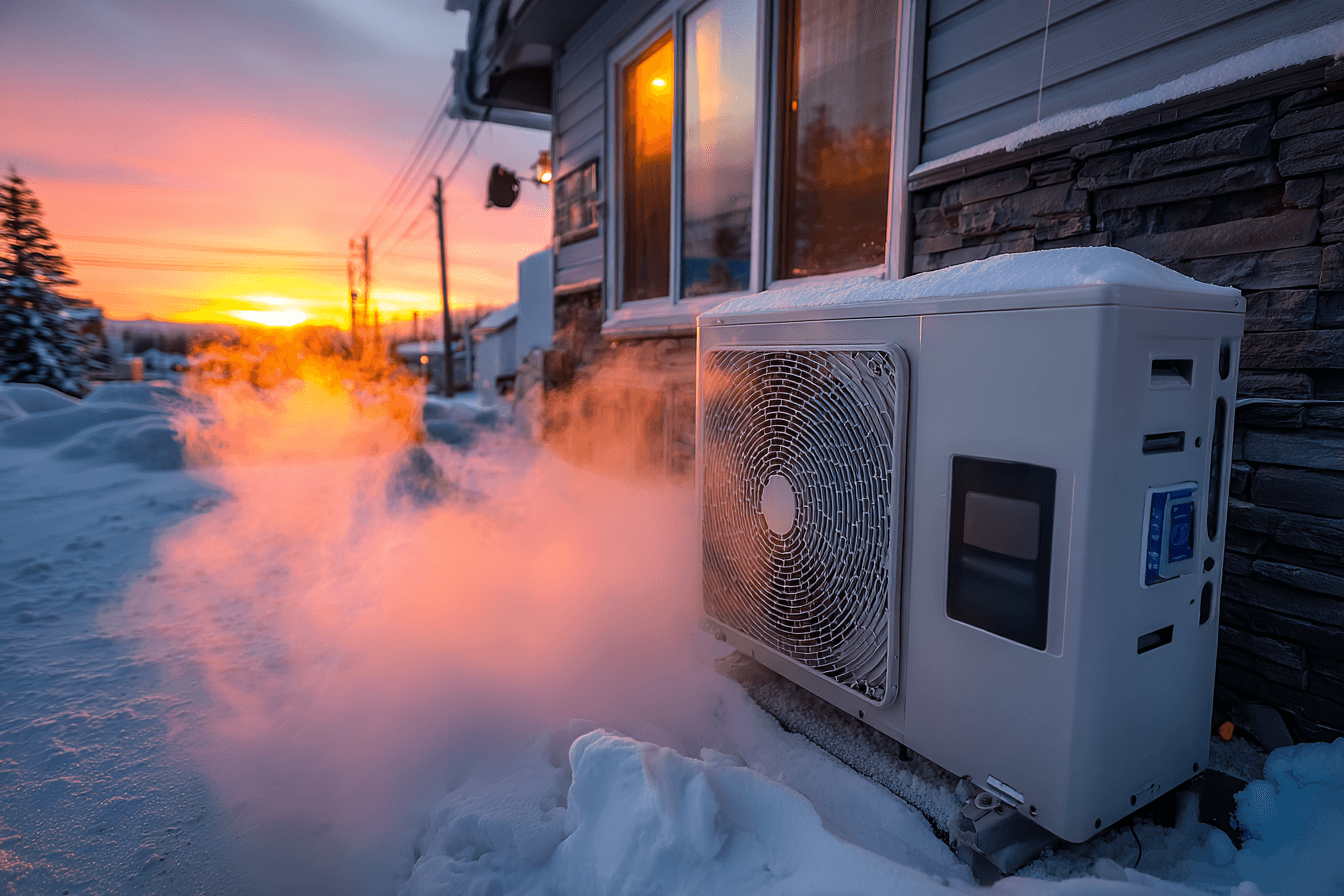
  • Snow and defrost

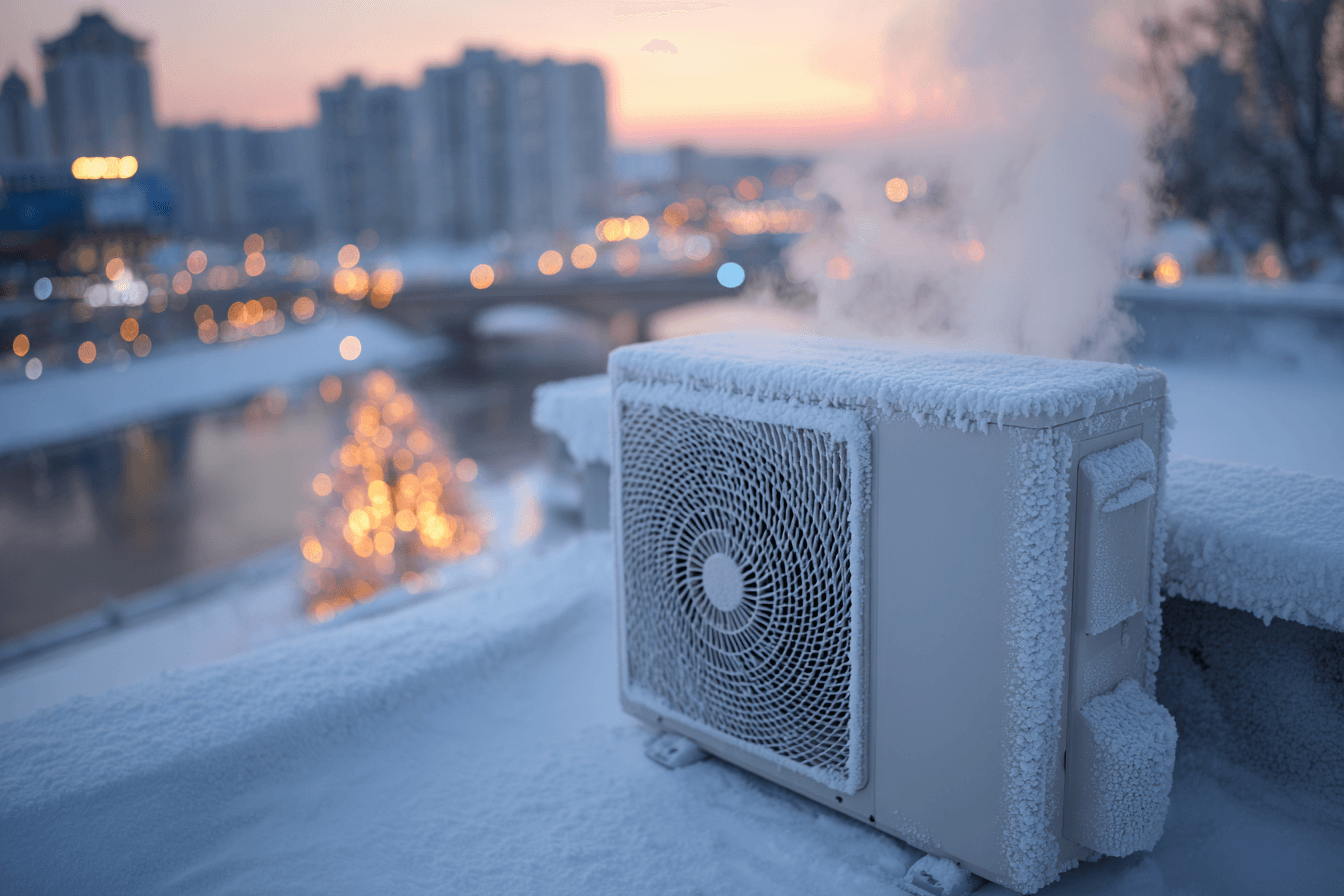
    Provide clearance from snow, a stable mount and a drainage route that avoids ice on paths. Follow the manufacturer’s clearances.
  • Running costs

    Use your electricity tariff, fuel price and equipment performance. A dual-fuel switch point depends on cost as well as capacity.

What Drives Installation Cost?

Quick answer

Equipment size, duct changes or indoor-head count, electrical work, outdoor mounting, permits and removal of old equipment all affect a quote. Ask for itemized scopes before comparing prices. A service load assessment determines whether a new circuit, load management, panel work or a utility service upgrade is needed.

Use an electrical assessment for the new heat pump and any planned EV charging. For oil conversions, include safe tank removal. Compare gross installation cost, confirmed rebates and financing cost separately.

Checked against official pages · Oct 23, 2026

Heat Pump Programs: Check the Conditions First

These records explicitly cover heat pumps. Amounts depend on income, existing fuel, utility, equipment and approval timing. Municipal offers apply only in the named municipality. Upcoming and closed programs are shown separately from open offers; do not add advertised maxima together without written stacking confirmation.

Federal: check program status and household or business eligibility

Province and utility: confirm service territory, equipment and pre-approval

Municipality: confirm property boundary and whether support is a grant or repayable loan

These are separate potential funding layers. Combination is subject to program rules; no combined saving is guaranteed.

10 open or closing programs · Checked Oct 23, 2026 · Upcoming offers excluded

Federal programs

National Heat Pump Rebate

A heat pump system on NRCan’s eligible product list (checked by AHRI number), able to heat the whole home, and bought from and installed by an HVAC contractor.

$2,000 for eligible households, or up to $10,000 for eligible households at or below the published after-tax income limit for their province or territory and household size. The final amount also depends on the cost of the equipment installed.

UpcomingApplications open through an online portal in early 2027. Eligible installations from November 1, 2026 can be claimed once it opens, under the rules in force on the installation date. No payments are made before launch and approval.

Canada Greener Homes Affordability Program (CGHAP)

Income-qualified households through participating provincial partners; local intake and selected measures vary.

No-cost, partner-selected retrofits, including eligible heat pumps, for income-qualified households. Apply through the provincial delivery partner.

OpenPartner delivery in BC, Manitoba, Newfoundland and Labrador, Nova Scotia and Quebec. Check the partner’s current intake and selected measures. PEI heat pump intake is closed.

Closed to new applications. Approved oil-to-heat-pump projects may receive up to $10,000 under the direct federal stream.

ClosedDirect federal intake closed July 31, 2026. Final receipts due January 31, 2027. Provincial delivery has separate rules.

Source: each program's official page (linked) · as of Oct 23, 2026

Provincial programs

OntarioOpen

Home Renovation Savings Program (Save on Energy / Enbridge Gas)

What it pays

Cold-climate air-source: up to $2,000 for Enbridge gas-heated homes, or $7,500 for eligible electricity, oil, propane or wood heating. Ground-source: $3,000 or up to $12,000 respectively. Pre-approval required.

Who qualifies

Owners of eligible existing homes: Enbridge Gas account and primary gas heat, or Ontario-grid connection and primary electricity, oil, propane or wood heat. Participating contractor must obtain pre-approval.

Open. No end date on the official page

British ColumbiaOpen

CleanBC Better Homes - Home Renovation Rebate Program (HRR)

What it pays

Replacing electric heat: $4,000 for qualifying whole-home heating or $1,500 for partial-home heating. BC Hydro account, eligible equipment and contractor rules apply.

Who qualifies

Eligible BC Hydro residential customers replacing electric heating; not a province-wide entitlement. Ask about separate income-qualified offers.

Open

QuebecOpen

Hydro-Québec LogisVert

What it pays

Eligible ENERGY STAR heat pumps: $50 per 1,000 BTU/h at −8 °C, or $120 for cold-climate models. Confirm the complete eligible system and installation-date rules; separate multi-unit bonus conditions may apply.

Who qualifies

Owners of eligible year-round homes in Quebec served by Hydro-Québec or an eligible municipal, cooperative or off-grid system. Eligible equipment and installation requirements apply.

Open

ManitobaOpen

Efficiency Manitoba Air Source Heat Pump Rebate

What it pays

Cold-climate air-source: $2,000 centrally ducted or $1,500 ductless. Registered contractor and primary existing residence required; replacing an existing heat pump does not qualify.

Who qualifies

Eligible Manitoba primary residences supplementing electric resistance or natural gas heat, or converting propane or oil; new homes and existing heat pump replacements excluded.

Open

Nova ScotiaOpen

Efficiency Nova Scotia Home Energy Assessment

What it pays

Assessment-led rebates for qualifying heat pumps and other recommended upgrades. Confirm the current equipment amounts and assessment requirements before starting.

Who qualifies

Nova Scotia homeowners completing the required assessment and eligible equipment upgrades; confirm the current application sequence.

Open

Newfoundland and LabradorOpen

takeCHARGE Oil to Electric Incentive

What it pays

Up to $22,000 for eligible whole-home oil-to-electric conversions, depending on technology, income and household size. Participating installer and approval rules apply.

Who qualifies

Eligible homeowners converting whole-home oil heating to electric heat. Income and household size determine support; payment goes to a participating installer.

Open. No closing date set

New BrunswickOpen

Total Home Energy Savings Program

What it pays

Rebates for eligible heat pump upgrades identified through the home energy evaluation. Confirm current model-specific amounts.

Who qualifies

Eligible New Brunswick homeowners; evaluation and qualifying equipment rules apply.

Register and complete the initial evaluation before starting upgrades.

Prince Edward IslandClosed

efficiencyPEI residential heat pump rebates

What it pays

No rebate for a new purchase under this ended residential offer.

Who qualifies

Only eligible purchases from April 15, 2025 to April 15, 2026 remain claimable within one year of purchase.

Rebates ended April 15, 2026. Older eligible purchases have a one-year claim window. Free heat pump applications are also closed.

OntarioOpen

Guelph Greener Homes low-income grant

What it pays

Up to $15,000 for an eligible air-source heat pump; subject to funding and approval.

Who qualifies

Eligible low-income owner-occupiers in Guelph; assessed property value and household-income limits apply.

Limited grant funding remains; the separate loan stream has a waitlist. Approval required before installation.

OntarioOpen

Better Homes Kingston heat pump rebates

What it pays

Cold-climate air-source $500/ton up to $2,000; qualifying full ground-source system $3,000.

Who qualifies

Eligible Utilities Kingston gas-heated homes; not every Kingston address. Qualified product list required.

Confirm registration and approval with Better Homes Kingston before installing.

Source: each program's official page (linked) · as of Oct 23, 2026. Amounts change often, so confirm on the official page before you apply. Other provinces: enter your address to see your programs.

See the rebates for your address

Free signup. Compare quotes as providers respond. Entering an address does not apply for a rebate or request quotes.

Start with your address

How to Finance It

Financing must be repaid and is separate from rebates. Some programs collect repayment through property tax or utility bills. Check service and address eligibility, current interest, fees, term and approval requirements before work; unknown terms need administrator confirmation.

Toronto, ONOpen

Home Energy Loan Program (HELP)

Most you can borrow
The lesser of $125,000 or 10% of the property's assessed value
Rate
Fixed rates valid through December 31, 2026: 3.83% (5 years), 4.43% (10), 4.85% (15), 5.12% (20). A 2% administration charge is added; confirm current terms before borrowing.
Term
5, 10 or 15 years. 20 years for windows, heat pumps, solar and geothermal only
Repaid through
Property tax bill, in 11 monthly instalments a year

Open to applicants Confirm approval before work, current fees and any unknown terms with the administrator. Checked Oct 23, 2026.

Ottawa, ONOpen

Better Homes Loan

Most you can borrow
The lesser of $125,000 or 10% of the property's assessed value, and at least $10,000
Rate
4.33% fixed, plus a 4% administration fee added to the loan
Term
20 years
Repaid through
Property tax bill, as a Local Improvement Charge. Borrowers enrol in the City's pre-authorized debit plan

Open to applicants Confirm approval before work, current fees and any unknown terms with the administrator. Checked Oct 23, 2026.

Manitoba Hydro customers, MBOpen

Home Energy Efficiency Loan

Most you can borrow
Cold-climate air-source: $10,000; conventional air-source: $5,000; ground-source: $20,000, subject to residence and accumulated-loan limits.
Rate
6.20% on approved credit for the first 5 years, then market rates
Term
Cold-climate air-source and ground-source: up to 15 years; conventional air-source: up to 5 years.
Repaid through
Monthly payment on your Manitoba Hydro bill

Open. Detached or semi-detached homes. Approval is needed before any work starts Confirm approval before work, current fees and any unknown terms with the administrator. Checked Oct 23, 2026.

Saskatoon, SKOpen

Home Energy Loan Program (HELP)

Most you can borrow
$40,000, or up to $60,000 with proof the project cuts home energy use by 50% or more. Loans start at $1,000
Rate
The page lists these rates for 2026: 3.24% (5 years), 4.03% (10), 4.68% (15) and 4.83% (20). It gives no effective date, so confirm the current ones
Term
5, 10, 15 or 20 years
Repaid through
Property tax bill. Early repayment has no penalty, and the loan stays with the property if you sell

Accepting applications. Cold-climate air-source models must be on NRCan’s eligible list. Property must be within Saskatoon. Confirm approval before work, current fees and any unknown terms with the administrator. Checked Oct 23, 2026.

Source: each loan's official page (linked) · as of Oct 23, 2026. Loans are repaid with interest, and they're separate from the rebates above. Local eligibility, current terms and approval need confirmation with the named administrator.

What Should Be in a Heat Pump Quote?

Quick answer

A useful quote identifies the full indoor and outdoor model numbers, calculated load, low-temperature output, backup controls, electrical work, permits, commissioning and warranty. It also identifies the party obtaining rebate approval. Contractor participation in a rebate program and Solenery marketplace availability are separate checks.

Get it in writing

  • Equipment match and winter performance
  • Outdoor location, vibration isolation and drainage
  • Permits, inspections and any removal work
  • Commissioning results, owner training and service contact

What is Solenery?

A short explainer on how Solenery matches your rebates and helps you compare contractor quotes.

See your net cost after incentives, then compare heat pump quotes.

Enter your address and we’ll match the incentives that may apply. Then request and compare quotes from vetted providers. Private and secure, no spam.

Start with your address

Free signup. Compare quotes as providers respond. Entering an address does not apply for a rebate or request quotes.

Cutaway illustration of a home with a heat pump and solar panels

Are you a heat pump installer?

Projects come to you: owners request quotes after seeing their eligible incentives, net cost and payback. Browse projects for free and pay a commission only on the deals you close.

Join the Professionals Network
Clean energy installer at work

How We Research This Page

Last updated: .

Every rebate amount, status and deadline on this page was read on the program's official page and is dated next to it. Program amounts and deadlines change. Use each dated source and confirm current terms with the administrator before you apply.

Facts and figures come from government departments, utilities and safety regulators, linked next to each figure and listed here. We don't publish price ranges: costs depend on your home, so we explain what drives them and let contractors quote.

Solenery is a Canadian clean energy platform connecting property owners with incentives and vetted professionals. It doesn't install equipment, issue rebates or submit government applications itself.