
Find Insulation Contractors Across Canada
Compare quotes from vetted insulation contractors for attic, wall, basement and spray foam insulation. Solenery checks the insulation rebates your address qualifies for first, so you know what the job really costs before you choose.
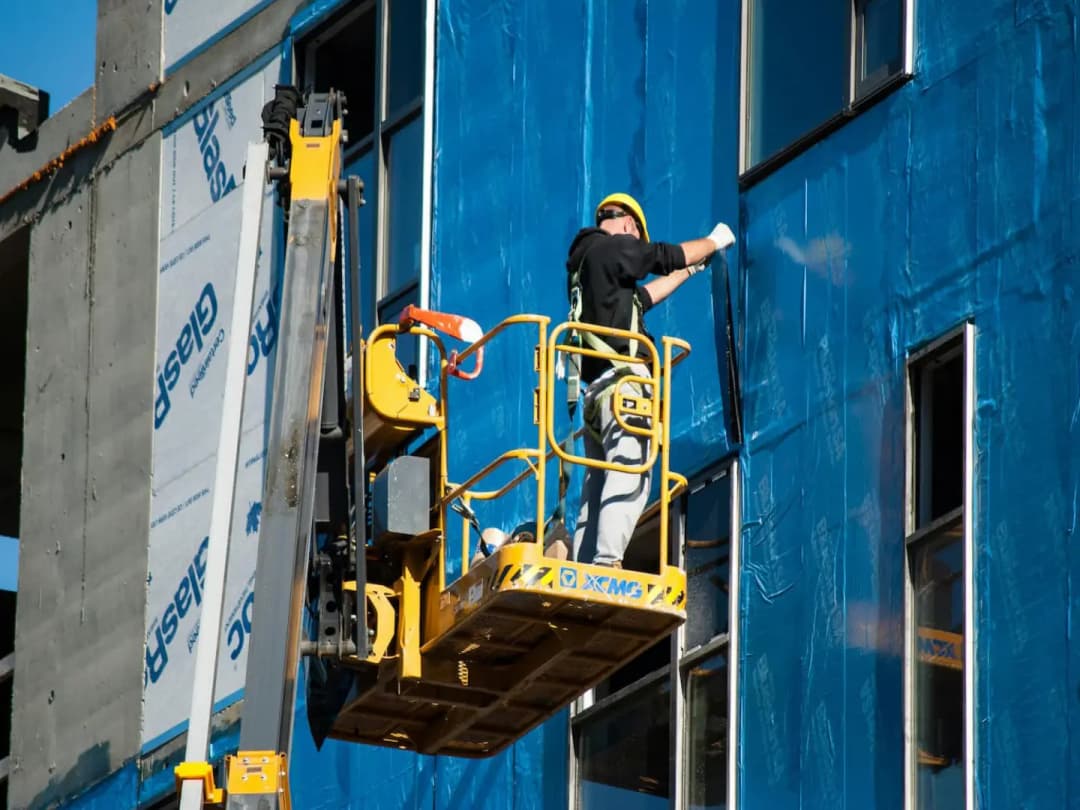
Why Insulation Is the Upgrade to Do First
Insulation and air sealing cut the heat a home needs in the first place, which lowers bills and lets you buy a smaller, cheaper heat pump or furnace later.
What a good insulation contractor gets right
- Air sealing before or with insulation, to stop heat loss and moisture damage
- The right material for each area: attic, walls, rim joists, basement
- R-values that meet your climate zone, not just the minimum
- Ventilation that keeps the attic dry
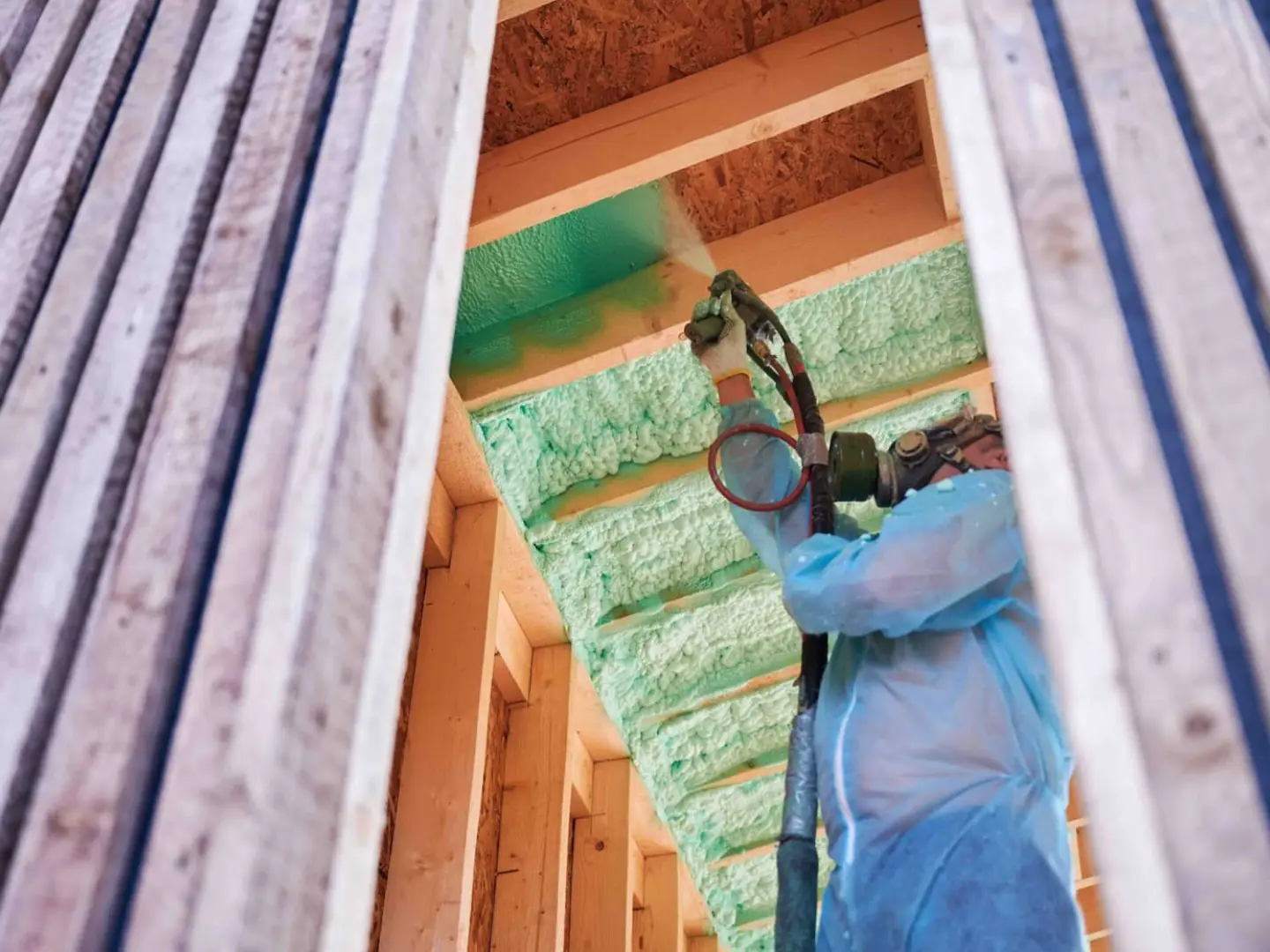
Insulation Services You Can Compare Quotes For
Tell us about your home and get quotes from insulation contractors near you for:
- Exterior and interior wall insulation
- Air sealing
- Garage insulation
- Old insulation removal
Residential Insulation Contractors
For single-family homes, older homes with little insulation, renovations and new builds.
Common residential insulation projects
- Attic insulation top-ups
- Spray foam for walls and rim joists
- Basement wall insulation
- Air sealing for improved energy efficiency
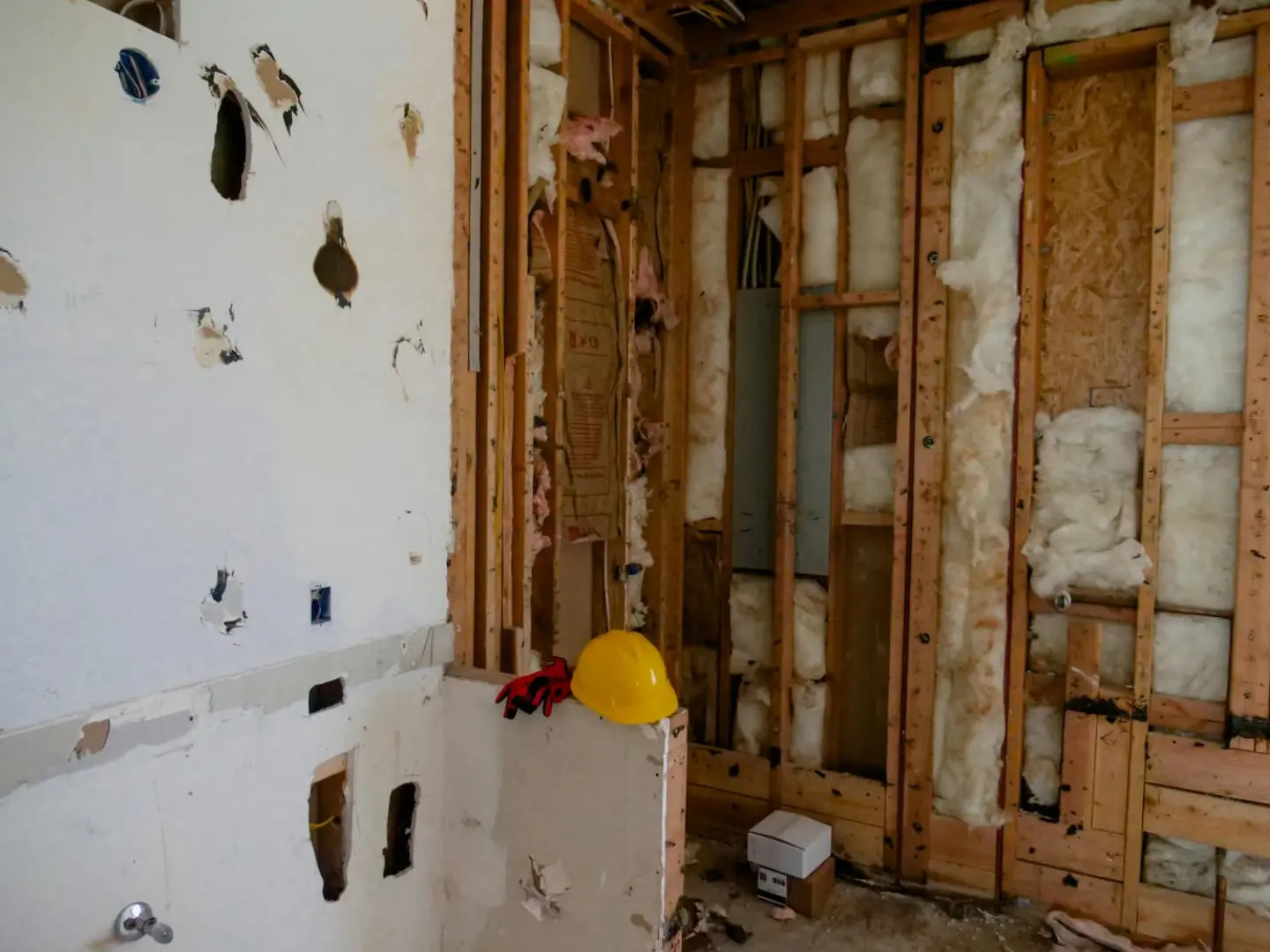
Commercial Insulation Contractors
Common commercial insulation projects
- Thermal insulation for large wall and roof areas
- Spray foam and foam board systems
- Air sealing for energy performance
- Sound and thermal insulation upgrades
Commercial buildings must meet the energy code their province or city has adopted, which is often based on the National Energy Code of Canada for Buildings (NECB). Ask the contractor which edition applies to your project.
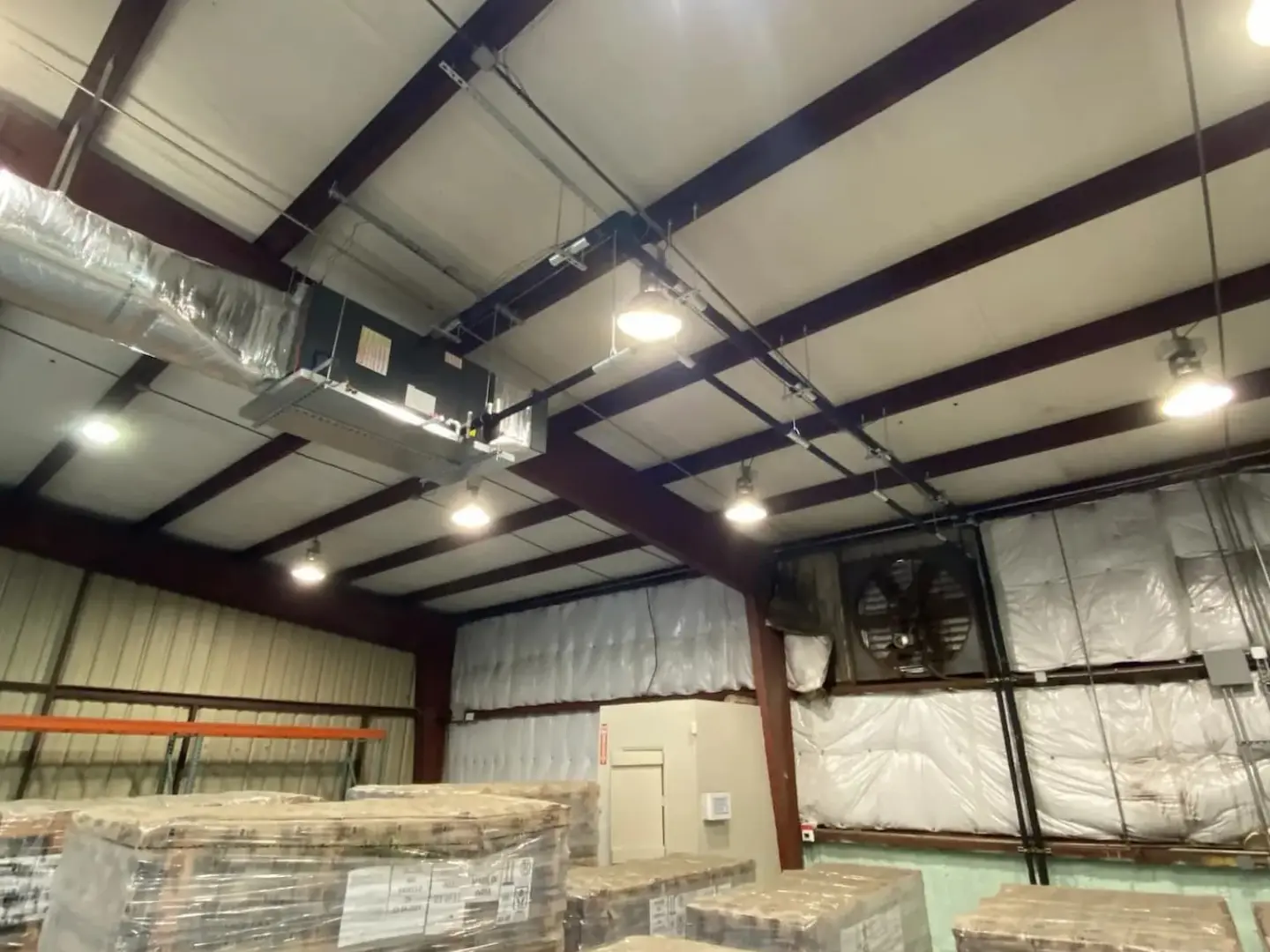
Spray Foam Insulation Contractors
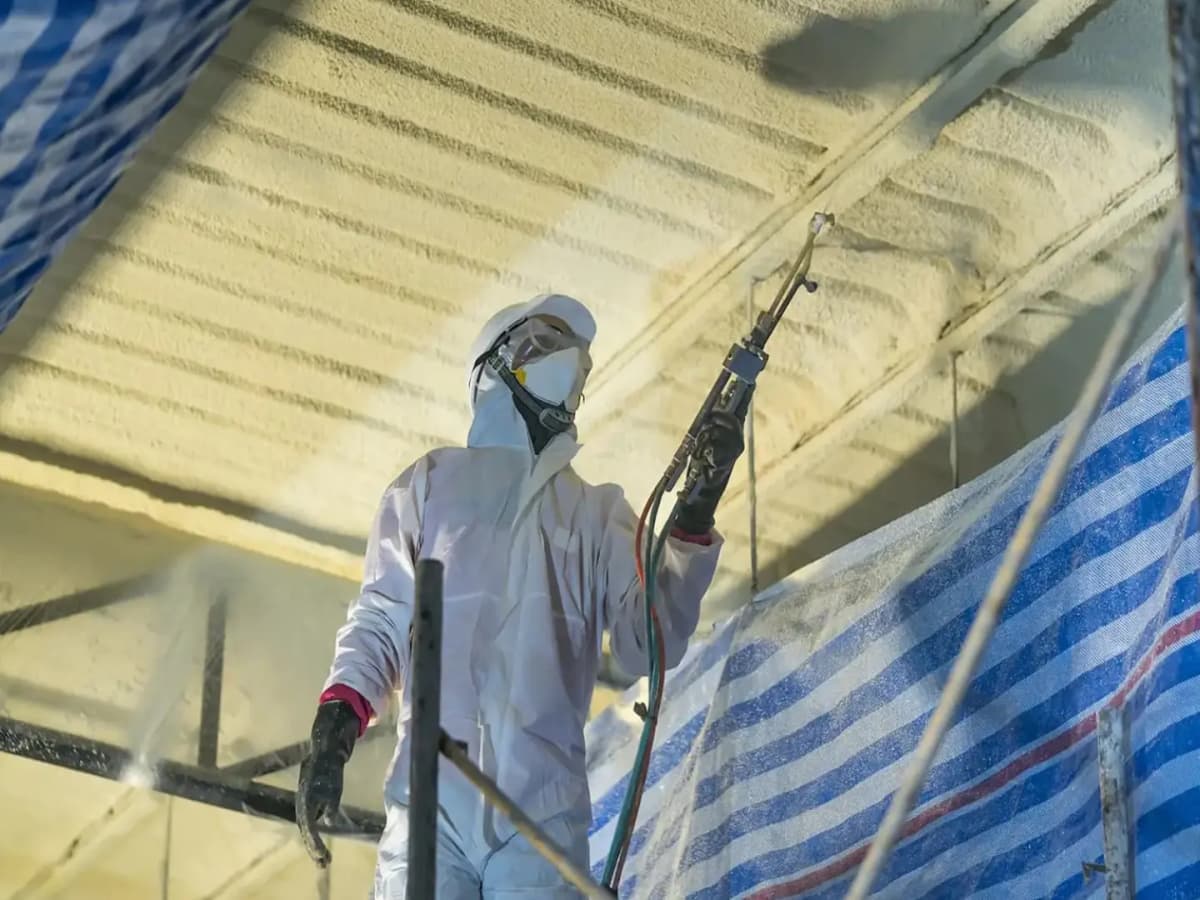
Spray foam insulates and air seals in one step, which makes it a good fit for rim joists, cathedral ceilings and hard-to-reach cavities.
Why people choose spray foam
- Closed-cell foam has the highest R-value per inch of common materials (about R-6)
- Air seals as it insulates
- Fills irregular spaces that batts can't
It costs more per R-value than blown-in or batt insulation, so it's usually used where space is tight or air sealing matters most.
Where Does a Canadian Home Lose Heat?
NRCan estimates that basements and walls each account for about 20% of a home's heat loss, windows and doors up to 25%, and air leakage typically about 25%. Basements and uninsulated walls usually lose more heat than the typical attic, even though the attic is where most people start.
| Where heat escapes | Share of heat loss |
|---|---|
| Air leakage (drafts) | About 25% |
| Windows and doors | Up to 25% |
| Basement | About 20% |
| Walls | About 20% |
Recommended Insulation R-Values in Canada
NRCan recommends about R-40 to R-60 in the attic or roof, R-22 to R-40 in walls and R-19 to R-25 on basement walls. The higher values apply to colder regions with more heating degree-days. Local building codes set the legal minimums, so your contractor should confirm them.
| Part of the home | Zone A (up to 3,500 HDD) | Zone B (3,500–5,000) | Zone C (5,001–6,500) | Zone D (over 6,500) |
|---|---|---|---|---|
| Attic / roof | R-40 (RSI 7.1) | R-50 (RSI 8.8) | R-60 (RSI 10.6) | R-60 (RSI 10.6) |
| Walls | R-22 (RSI 3.9) | R-24 (RSI 4.2) | R-27 (RSI 4.8) | R-40 (RSI 7.1) |
| Basement walls | R-19 (RSI 3.3) | R-19 (RSI 3.3) | R-24 (RSI 4.2) | R-25 (RSI 4.4) |
| Floors over unheated space | R-27 (RSI 4.8) | R-31 (RSI 5.5) | R-40 (RSI 7.1) | R-50 (RSI 8.8) |
Spray Foam vs Blown-In vs Batt Insulation
Closed-cell spray foam gives about R-6 per inch and air seals as it goes. Blown-in cellulose gives about R-3.6 per inch and glass fibre batts about R-3.2. Foam costs the most per R-value, so it's usually used where space is tight. Blown-in and batts are cheaper ways to add a lot of R-value to open attics.
| Material | R-value per inch | Air sealing | Typical use |
|---|---|---|---|
| Closed-cell spray foam | About R-6 (R-5.5 to 6.5) | Yes | Rim joists, basement walls, cathedral ceilings |
| Open-cell spray foam | About R-3.6 | Partly | Interior wall and roof cavities |
| Blown-in cellulose | About R-3.6 | No | Open attics, closed wall cavities |
| Blown-in glass fibre | About R-2.9 | No | Open attics |
| Glass fibre batt | About R-3.2 | No | Open stud walls, attic floors |
| Mineral fibre batt | About R-3.4 | No | Walls, basements, sound control |
What Affects the Cost of Insulation?
Insulation is priced by the area covered and the R-value added, so the biggest cost drivers are how much of the home you insulate, the material and the thickness it needs. Rebates can cover a large share: Newfoundland and Labrador pays 75% of attic and basement insulation costs, up to $3,000.
- Area and target R-value. NRCan recommends R-40 to R-60 in attics depending on your climate zone, so colder regions need more material.
- Material. Closed-cell spray foam gives about R-6 per inch against about R-3.6 for blown-in cellulose, so it needs less space but costs more per R-value.
- Air sealing. Sealing leaks first is extra work, but NRCan says it prevents heat loss and moisture damage.
- Old insulation. Removing damaged insulation, or vermiculite that may contain asbestos, adds to the job.
- Access. Tight attics, finished walls and crawl spaces take more labour.
What rebates cover: Ontario pays $1,000 to $1,250 for attic insulation on its own, or up to $7,700 for insulation after an energy assessment. BC pays up to $5,500 and Nova Scotia up to $5,000. See the rebate tables.
Should You Air Seal Before Insulating?
Yes. NRCan says air leaks through attic penetrations such as chimneys, vents, plumbing stacks and electrical boxes cause significant heat loss and moisture problems. Sealing them before adding insulation stops warm, moist air from reaching the cold attic, where it can condense and damage the roof and insulation.
Read NRCan's guidance on roofs and attics.
Insulation Rebates by Province (2026)
The federal Greener Homes Grant and Loan are closed, so 2026 insulation rebates come from provinces and utilities. Ontario pays $1,000 to $1,250 for an attic alone, or up to $7,700 after an energy assessment. BC pays up to $5,500, Nova Scotia up to $5,000, Newfoundland and Labrador up to $3,000, and Quebec $1,500 for roof insulation.
The Greener Homes Grant is closed to new applicants, the Greener Homes Loan closed on Oct 1, 2025, and the Oil to Heat Pump Affordability program stopped taking applications on July 31, 2026. What replaced them: the no-cost Canada Greener Homes Affordability Program for income-qualified households, and the provincial programs below.
Federal programs
| Program | Amount | Who qualifies | Status |
|---|---|---|---|
| Canada Greener Homes Affordability Program (CGHAP) | No-cost insulation and air sealing | Low-to-median-income homeowners and tenants | Open Open in BC, Manitoba, Nova Scotia, PEI and Quebec through provincial partners |
| Canada Greener Homes Loan | Interest-free retrofit loan (closed) | Homeowners | Closed Closed. The last day to apply was Oct 1, 2025 |
| Canada Greener Homes Grant | Grant after an EnerGuide evaluation (closed) | Homeowners, after an EnerGuide evaluation | Closed Closed to new applicants |
Provincial programs
| Program | Province | Amount | Who qualifies | Status |
|---|---|---|---|---|
| Home Renovation Savings Program (Save on Energy / Enbridge Gas) | Ontario | Attic insulation $1,000 to $1,250 as a single upgrade, or up to $7,700 for insulation with an energy assessment and two or more upgrades ($600 back on the assessment) | Ontario homeowners heating with electricity, natural gas, oil, propane or wood | Open Open. No end date on the official page |
| CleanBC Better Homes - Home Renovation Rebate Program (HRR) | British Columbia | Insulation up to $5,500 | BC Hydro residential customers. Income-qualified households apply to the Energy Savings Program instead | Open Open |
| Hydro-Québec LogisVert | Quebec | Roof insulation and air sealing $1,500, plus a 5% bonus when you combine several measures in one application | Hydro-Québec residential customers | Open Open |
| Efficiency Nova Scotia Home Energy Assessment | Nova Scotia | Up to $5,000 in rebates for the upgrades the assessment recommends, including insulation | Nova Scotia homeowners. The $199 assessment fee is waived for moderate-income households | Open Open |
| takeCHARGE Insulation Rebate | Newfoundland and Labrador | 75% of attic and basement insulation costs: up to $1,000 for materials and $500 for labour per area, $3,000 maximum | Homeowners with electric heat, in homes built before Jan 1, 2014 | Open Open |
Start With a Home Energy Assessment
An EnerGuide home evaluation by a Registered Energy Advisor measures where your home actually leaks heat, so you insulate the right places first. In Ontario it also unlocks the bigger rebates: $600 back on the assessment and up to $7,700 for insulation when you do two or more upgrades.
See Ontario's Home Renovation Savings program for both paths. After insulating, a smaller heat pump is often enough to heat the home.
How to Choose an Insulation Contractor
Choose an insulation contractor who air seals first, states the R-value they'll install in each area, and knows the documentation your rebate program needs. Compare at least three written quotes that list the material, the thickness or R-value, and the area covered, so you can compare like for like.
- Ask for the final R-value per area in writing, not just the material.
- Check whether air sealing and old insulation removal are included.
- For spray foam, ask about installer certification and curing time before you can re-enter the home.
- Check for vermiculite in older attics before any work starts. NRCan warns it can contain asbestos.
- Red flags: no site visit, quotes by square foot with no R-value, or pressure to sign the same day.
From Quote to Rebate: How a Project Works
Solenery is a marketplace, not a contractor. We check your incentives first, then help you compare quotes from vetted local pros, so you choose the right insulation contractor with the full cost in view.
- Step 1
Check rebates first
Enter your address to see your programs. Ontario's and Nova Scotia's larger rebates need an energy assessment before any insulation goes in. - Step 2
Energy assessment
A Registered Energy Advisor measures where the home leaks heat, often with a blower door test, and recommends what to insulate first. - Step 3
Quotes by R-value
Each contractor inspects the attic, walls or basement and quotes the material, the final R-value and the area covered. - Step 4
Air sealing and installation
Leaks around chimneys, vents, plumbing and wiring are sealed first, then the insulation goes in to the agreed R-value. - Step 5
Post-work check
Programs that start with an assessment usually need a follow-up check to confirm the work. Your energy advisor will tell you what's required. - Step 6
Claim your rebate
Submit invoices showing the R-value and area insulated before the program deadline.
Planning More Than One Upgrade?
Insulation Contractor FAQs
It depends on the attic's size, the R-value you're adding and whether old insulation has to come out first. Rebates can cover a large share: Ontario pays $1,000 to $1,250 for attic insulation on its own, and Newfoundland and Labrador covers 75% of the cost for electrically heated homes, up to $1,000 for materials and $500 for labour.
Not always. NRCan data shows basements and uninsulated walls often lose more heat than the typical attic, about 20% each. Air leakage accounts for about 25%. An energy assessment shows where your home loses the most heat.
Ontario's Home Renovation Savings program pays $1,000 to $1,250 for attic insulation as a single upgrade. With a home energy assessment and two or more upgrades, you can get up to $7,700 for insulation, plus $600 back on the assessment.
Yes. NRCan says attic air leaks around chimneys, vents, plumbing and electrical boxes cause significant heat loss and moisture problems. Seal them first so warm, moist air can't reach the cold attic.
It depends where it goes. Closed-cell spray foam gives about R-6 per inch and air seals, so it's worth it on rim joists, basement walls and tight cavities where space is limited. It costs more per R-value, so for an open attic, blown-in cellulose (about R-3.6 per inch) gives more insulation for the money.
BC Hydro pays up to $5,500 for insulation. Nova Scotia pays up to $5,000 for upgrades recommended by a home energy assessment. Newfoundland and Labrador covers 75% of attic and basement insulation for electrically heated homes, up to $3,000, and Quebec's LogisVert pays $1,500 for roof insulation. Income-qualified households in several provinces can get free insulation through the Canada Greener Homes Affordability Program.
NRCan recommends at least R-40 in the mildest regions and R-50 to R-60 in most of the country. Check the local building code, which sets the minimum where you live.
Get Free Insulation Quotes
Enter your address to see the insulation rebates you qualify for and compare quotes from vetted insulation contractors near you.
How We Research This Page
Last updated: .
Every rebate amount, status and deadline on this page was read on the program's official page and is dated in the table caption. We re-check each program monthly, because amounts and deadlines change often. Always confirm with the program before you apply.
Facts and figures come from government departments, utilities and safety regulators, linked next to each table and listed below. We don't publish price ranges: costs depend on your home, so we explain what drives them and let contractors quote.
Solenery is a marketplace. It connects homeowners with contractors and doesn't install anything itself.
Sources