
Find Licensed Electricians Across Canada
Compare quotes from vetted, licensed electrical contractors for panel upgrades, EV charger installation, rewiring and heat pump or solar hookups. Solenery shows the rebates your address qualifies for, so you see the whole upgrade before you choose.
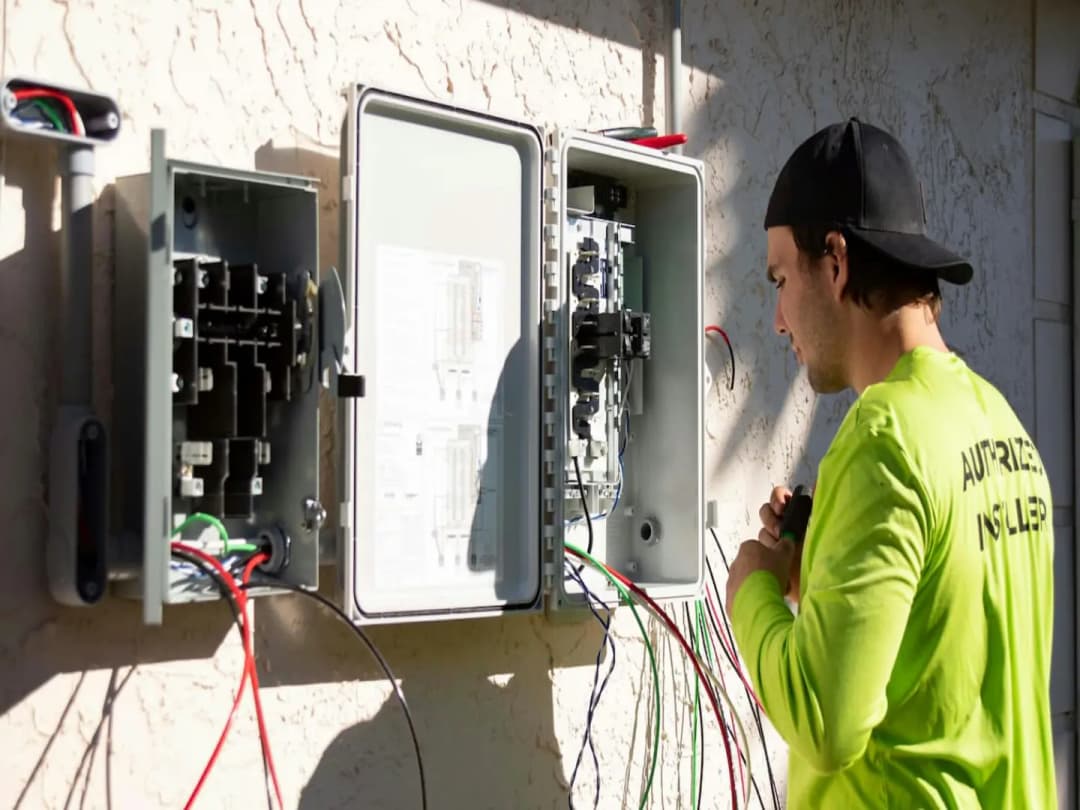
Why You Need a Licensed Electrical Contractor
Electrical work in Canada must meet the Canadian Electrical Code, Part I (CSA C22.1), as adopted and amended by your province, and most jobs need a permit and an inspection.
What a licensed electrician takes care of
- Work that meets the Canadian Electrical Code and your provincial amendments
- Permits or notifications to the provincial safety authority
- Load calculations before adding a heat pump, EV charger or solar
- Inspection and sign-off, which insurers and home buyers ask for
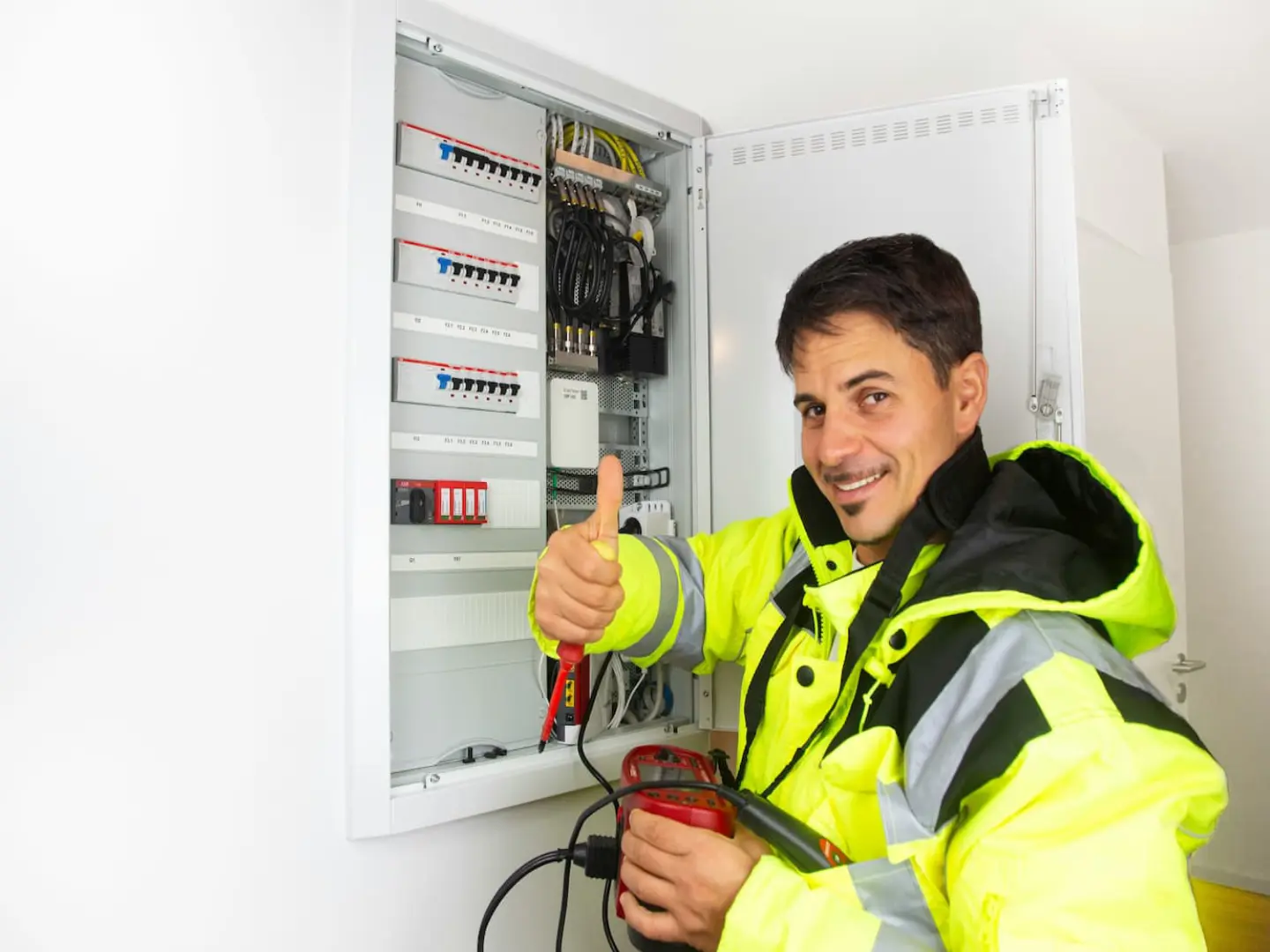
Electrical Services You Can Compare Quotes For
Tell us about your property and get quotes from licensed electricians near you for:
- Wiring and rewiring
- Surge protection
- Lighting installation
- Generator installation
- Safety inspections
Residential Electricians
For homeowners, rental properties, renovations and new construction.
Common residential electrical projects
- Panel upgrades (100 A / 200 A)
- EV charger installation in home garages
- Outlet, switch and GFCI installation
- Whole-home surge protection
- LED and recessed lighting
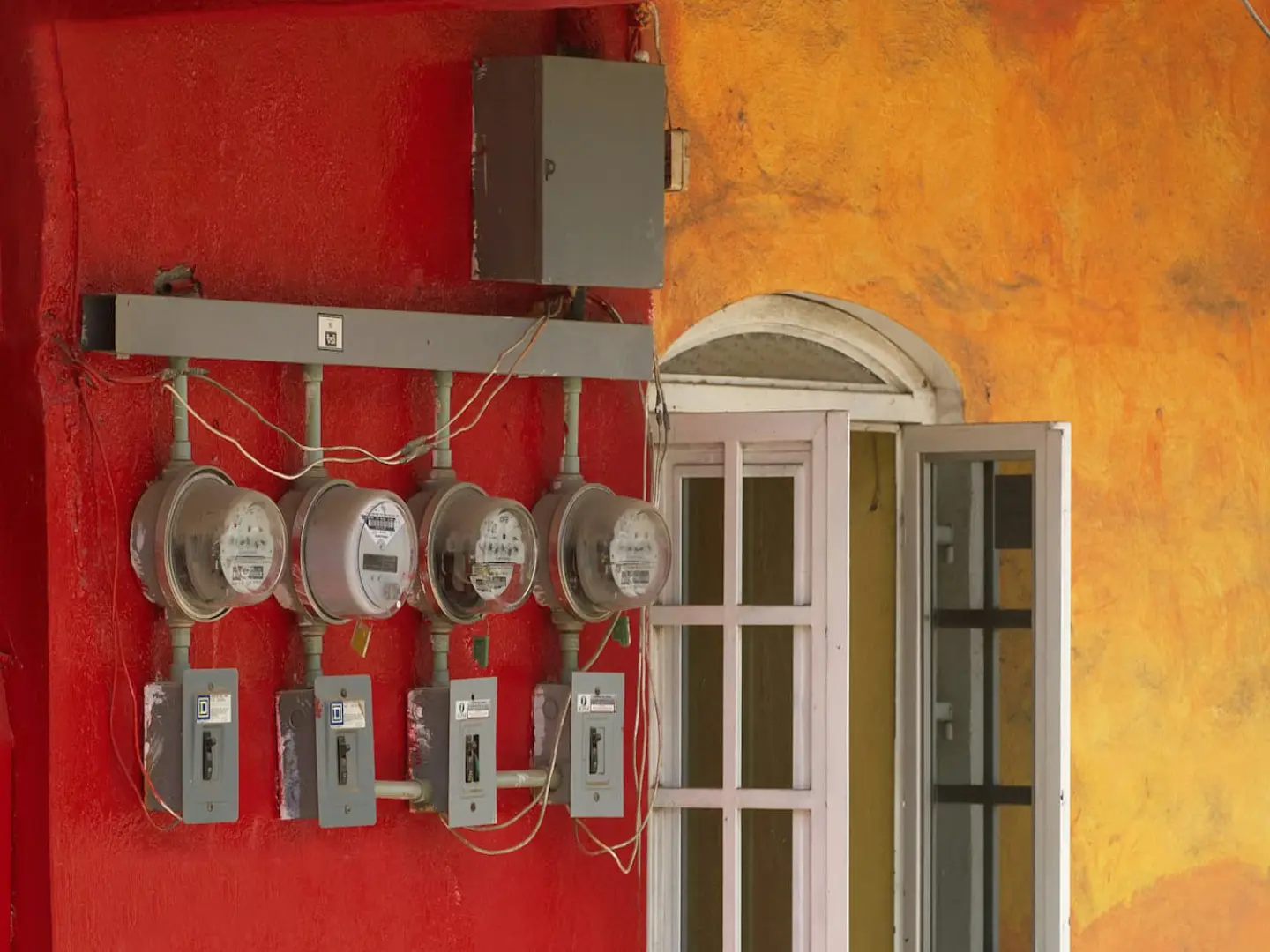
Commercial and Industrial Electrical Contractors
For offices, retail, warehouses, plants and production lines, where three-phase power, larger services and uptime drive the work.
Common commercial and industrial electrical projects
- New circuits, tenant improvements and service upgrades
- Emergency and exit lighting
- Backup generators and power distribution
- Control panels, automation and machinery wiring
- Workplace EV charging
Larger work often needs a licensed electrical contractor, not just a licensed electrician. In Saskatchewan, for example, TSASK requires a licensed electrical contractor for work over 200 A or 300 V, three-phase systems, EV chargers, generators, battery storage and renewable energy systems.

What Affects the Cost of Electrical Work?
Small repairs are usually billed by the hour, while panel upgrades and EV chargers are quoted per job. The biggest cost drivers are the size of the upgrade, whether your utility service runs overhead or underground, and how far the new circuit is from the panel. Rebates of up to $350 in BC and $600 in Quebec help with home chargers.
- Scope of a panel upgrade. Replacing only the panel costs less than a full service upgrade that also changes the meter base and the service wires from the street.
- Overhead or underground service. Underground service needs digging and more coordination with the utility.
- Distance. The further a charger or heat pump is from the panel, the longer and more expensive the wiring run.
- Permits and inspection. Fees are set by your municipality or provincial regulator and are usually on top of the labour quote.
- Utility work. Service upgrades usually need the utility to disconnect and reconnect power, which may add a fee and time.
Installing a Level 2 EV Charger at Home
A Level 2 home charger needs a dedicated 240-volt circuit, a permit and a licensed electrician. The job costs more if the charger is far from the panel or the panel needs an upgrade. BC pays 50% of eligible costs up to $350, and Quebec pays $600 if you own an electric vehicle.
- Ask for a load calculation first. Older 100 A homes may need a panel upgrade before a charger can be added.
- BC's CleanBC Go Electric program pays 50% of eligible costs up to $350 for single-family homes and buildings of four units or fewer.
- Quebec's Écorecharge grant pays $600 toward buying and installing a home charger if you own an electric vehicle.
- In Saskatchewan, EV charger installs must be done by a licensed electrical contractor (TSASK).
Which Electrical Code Applies in Canada?
Canada uses the Canadian Electrical Code, Part I (CSA C22.1). The current edition is the 26th, published in 2024. Each province adopts it with its own amendments and on its own schedule. Ontario, for example, uses the Ontario Electrical Safety Code, 29th edition, which has been in force since May 1, 2025.
| Province | Code in force | In force since | Regulator |
|---|---|---|---|
| Ontario | Ontario Electrical Safety Code, 29th ed. (based on CEC 26th ed.) | May 1, 2025 | Electrical Safety Authority (ESA) |
| British Columbia | BC Electrical Code (CEC 26th ed.) | March 4, 2025 | Technical Safety BC |
| Alberta | CEC Part I, 26th ed. | April 1, 2025 | Alberta Municipal Affairs (Safety Codes) |
Do You Need an Electrical Panel Upgrade?
You may need a panel upgrade when you add a big electrical load, such as a heat pump, an EV charger, solar with a battery, or electric cooking. Homes with older 60 A or 100 A service are the most likely to need one. An electrician decides from a load calculation under the electrical code, not from the panel size alone.
Common triggers:
- Switching to a heat pump from gas, oil or propane
- Installing a Level 2 EV charger
- Adding solar panels or a home battery
- A panel with no free breaker spaces, or an obsolete panel
Rebate programs recognize the link. The federal Oil to Heat Pump Affordability program covered electrical upgrades needed for a heat pump install until its intake closed on July 31, 2026.
Electrical Upgrade Rebates (2026)
Canada has no general rebate for electrical work. Home EV chargers are the exception: BC pays 50% up to $350 and Quebec $600. Panel upgrades are usually funded as part of a heat pump or solar program, and the federal oil-to-heat-pump program covered them until its intake closed on July 31, 2026.
The Greener Homes Grant is closed to new applicants, the Greener Homes Loan closed on Oct 1, 2025, and the Oil to Heat Pump Affordability program stopped taking applications on July 31, 2026. What replaced them: the no-cost Canada Greener Homes Affordability Program for income-qualified households, and the provincial programs below.
Federal programs
| Program | Amount | Who qualifies | Status |
|---|---|---|---|
| Oil to Heat Pump Affordability Program (OHPA) | Electrical upgrades needed for the heat pump were covered in the up to $10,000 | Homeowners heating with oil | Closed Intake closed July 31, 2026. Approved applicants must submit receipts by Jan 31, 2027 |
Provincial programs
| Program | Province | Amount | Who qualifies | Status |
|---|---|---|---|---|
| CleanBC Go Electric Home and Workplace Charging | British Columbia | Level 2 home charger: 50% of eligible costs, up to $350 | BC residents in single-family homes or buildings of four units or fewer | Open Open. Program guide dated April 1, 2026 |
| Québec Écorecharge home charging station grant | Quebec | $600 toward buying and installing a home charging station | Quebec residents who own an electric vehicle | Open Open |
Electrical Licensing and Permits by Province
In every province, most electrical work needs a permit or notification and an inspection, arranged by a licensed electrical contractor. The regulator varies: the ESA in Ontario, Technical Safety BC, TSASK in Saskatchewan, Manitoba Hydro or the City of Winnipeg in Manitoba, and Nova Scotia Power in Nova Scotia.
| Province | Who regulates | What to check |
|---|---|---|
| Ontario | Electrical Safety Authority (ESA) | The contractor holds an ESA Licensed Electrical Contractor (LEC) number and files the notification for your job |
| British Columbia | Technical Safety BC | The contractor is licensed and takes out the electrical permit |
| Alberta | Safety Codes permits (municipality or accredited agency) | An electrical permit is issued before work starts |
| Quebec | Régie du bâtiment du Québec (RBQ) | The contractor holds an RBQ licence for electrical work |
| Saskatchewan | Technical Safety Authority of Saskatchewan (TSASK) | The contractor gives you a copy of the electrical permit before work starts |
| Manitoba | Manitoba Hydro (City of Winnipeg inside city limits) | The permit is filed through ePermits by a licensed journeyperson electrician |
| Nova Scotia | Nova Scotia Power Inspection Services | Only a licensed electrical contractor employing a certified construction electrician can get the permit |
How to Choose an Electrician
Choose a licensed electrical contractor who takes out the permit or files the notification, does a load calculation before quoting a panel upgrade, and puts the scope in writing. Compare at least three quotes that list the panel size, the circuits added and whether the permit and inspection fees are included.
- Check the licence with your provincial regulator (see the table above).
- Ask whether the permit or notification fee is included in the quote.
- For a panel upgrade, ask whether the utility has to disconnect and reconnect service, and who books it.
- Red flags: offering to skip the permit, cash-only discounts, or no written quote.
From Quote to Rebate: How a Project Works
Solenery is a marketplace, not a contractor. We check your incentives first, then help you compare quotes from vetted local pros, so you choose the right electrician with the full cost in view.
- Step 1
Check programs first
Enter your address. EV charger rebates in BC and Quebec, and heat pump or solar programs that cover panel work, each have their own rules. - Step 2
Load calculation and quotes
Each electrician checks your panel and service size and works out whether the new load fits before quoting. - Step 3
Permit or notification
The licensed contractor files the permit or notification with your provincial regulator before starting. - Step 4
Utility coordination
Service upgrades usually need the utility to disconnect and reconnect power, which the contractor books. - Step 5
Installation and inspection
The work is done to code and inspected by the regulator or its inspector. - Step 6
Claim your rebate
Submit the invoice, permit and charger model before the program deadline.
Planning More Than One Upgrade?
Electrician FAQs
Yes, in every province. In Ontario your licensed electrical contractor files a notification with the Electrical Safety Authority (ESA) and the work is inspected. In BC the permit goes through Technical Safety BC, in Saskatchewan through TSASK, and in Nova Scotia through Nova Scotia Power. Ask whether the permit fee is included in your quote.
The Canadian Electrical Code, Part I (CSA C22.1), adopted by each province with its own amendments. The current edition is the 26th (2024). Ontario has used the Ontario Electrical Safety Code, 29th edition, since May 1, 2025, and BC adopted the 26th edition on March 4, 2025.
It depends on a load calculation. Homes with older 60 A or 100 A service often need an upgrade to 200 A before adding a heat pump or Level 2 EV charger. Many 200 A homes don't need one.
Ask for their licence number and check it with the provincial regulator. That's the Electrical Safety Authority (ESA) in Ontario, Technical Safety BC in British Columbia, the Régie du bâtiment du Québec (RBQ) in Quebec and TSASK in Saskatchewan. The contractor should also show you the permit before work starts.
Call a licensed electrician if you notice any of these warning signs:
- A burning or smoky smell
- Warm or discoloured outlets or switches
- Buzzing sounds
- Flickering lights
- Breakers that trip often
Small jobs are usually billed by the hour, while panel upgrades and EV chargers are quoted per job. The main cost drivers are the size of the upgrade, overhead versus underground service, the length of any new wiring run, and permit fees. Compare at least three written quotes that list the same scope and say whether permits are included.
BC's CleanBC Go Electric program pays 50% of eligible costs, up to $350, for Level 2 chargers at single-family homes and buildings of four units or fewer. Quebec's Écorecharge grant pays $600 toward buying and installing a home charger if you own an electric vehicle. Either way, the installation needs a licensed electrician and a permit.
Get Free Electrician Quotes
Enter your address to see the programs that fund heat pump, EV and solar upgrades, then compare quotes from licensed electricians near you.
How We Research This Page
Last updated: .
Every rebate amount, status and deadline on this page was read on the program's official page and is dated in the table caption. We re-check each program monthly, because amounts and deadlines change often. Always confirm with the program before you apply.
Facts and figures come from government departments, utilities and safety regulators, linked next to each table and listed below. We don't publish price ranges: costs depend on your home, so we explain what drives them and let contractors quote.
Solenery is a marketplace. It connects homeowners with contractors and doesn't install anything itself.
Sources
- CSA Group — CSA C22.1:24 (CEC Part I)
- ESA — Ontario Electrical Safety Code
- Technical Safety BC — BC Electrical Code adoption
- Government of Alberta — CEC 2024 notice
- NRCan — Oil to Heat Pump Affordability program
- TSASK — Electrical permits
- Manitoba Hydro — Electrical permits
- Nova Scotia Power — Electrical inspections
- CleanBC Go Electric — Program guide
- Québec — Écorecharge home charging grant