
Solar Energy
Home Energy Upgrade Payback: Simple and Discounted Methods
Calculate home energy upgrade payback with a clear baseline, net annual benefit and simple...
4 min

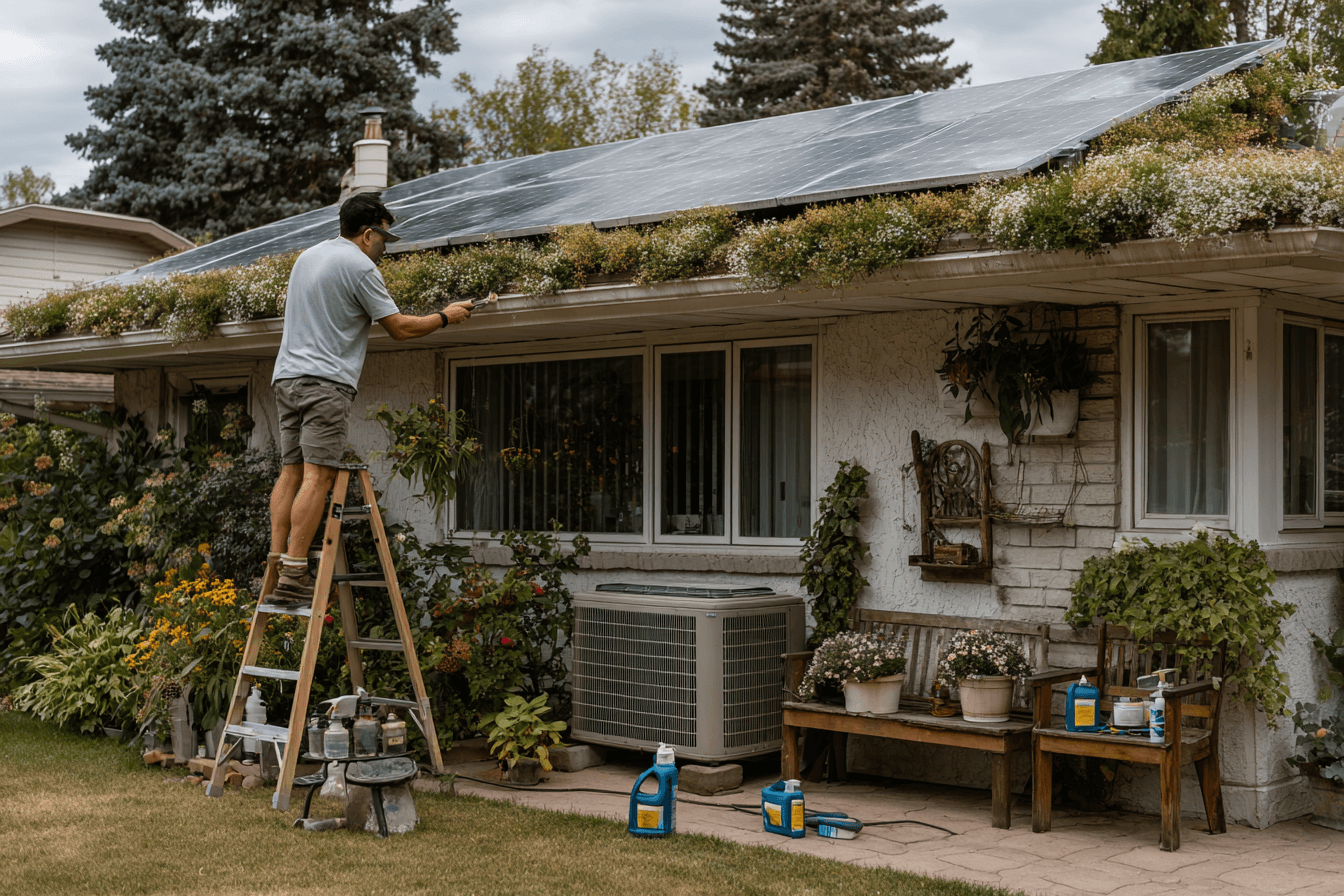
Set safe limits for solar and heat pump DIY maintenance with an owner-task decision guide, clear stop conditions and a useful service handoff record.
Solar and heat pump DIY maintenance should begin with a task-specific decision: does the exact owner manual describe it, can you reach it safely and can you complete it without entering electrical, refrigerant or roof-work hazards? Canadian homeowners should stop and ask the provider when any part is unclear.
This guide helps decide who should do a proposed task. It is not an installation or repair procedure, and owning a tool does not establish that a task is appropriate.
Identify the equipment model and find the relevant owner-care section. Confirm that it covers the task you intend to perform, rather than a similar component or another model. Ask the installer to demonstrate permitted access if the wording is unclear.
NRCan’s maintenance guide distinguishes owner filter attention from professional equipment service. Its contractor checklist is not permission for owners to perform electrical tests, refrigerant work or combustion checks.
A missing or uncertain answer means pause the task and ask a qualified provider. It is not a reason to improvise a workaround, bypass a safeguard or rely on a video for a different system.
| Activity | Possible owner role | Stop condition |
|---|---|---|
| Monitoring | Read displays and record messages using normal controls. | Opening enclosures or changing installer settings. |
| Filters | Use the documented owner-access and care procedure. | Unknown media, unsafe access or work near internal electrical parts. |
| Outdoor observations | Observe from safe ground and keep permitted surrounding access clear. | Contact with coils, moving parts, damaged wiring or hazardous ice. |
| Solar inspection or cleaning | Gather records and ground-level observations for the provider. | Roof access, electrical contact, damaged equipment or uncertain procedure. |
| Fault investigation | Report symptoms, timing and normal display information. | Refrigerant handling, electrical measurement or component disassembly. |
Solar modules can generate electricity in daylight. Turning an inverter off does not establish that the array is safe to touch. The Canadian Solar manual describes equipment-specific electrical and cleaning precautions; have qualified people determine the applicable procedure for your system.
Do not unplug solar connectors, open junction boxes, disturb mounting or attempt repairs. A wet or visibly damaged module requires professional assessment rather than an owner cleaning trial.
Stop when an accessible filter cannot be refitted as instructed, damage is visible or a symptom persists after permitted routine care. Do not run equipment without the filter to test it. Persistent heat-pump ice is also a service question: do not chip it away, pour water on the equipment or alter its supports.
Smoke, sparking, a burning smell or loss of safe indoor conditions requires prompt appropriate assistance. Do not delay action to finish a checklist or collect photographs.
Record the model, manual section consulted, intended task and the point where you stopped. Add the displayed message and safe observations, without guessing the failed part. Ask which work the provider will perform and what owner instructions will be supplied afterward.
Keep the findings with the equipment records. A clear boundary preserves useful owner care while ensuring that the next step is based on the actual equipment, access and condition.
Calculate home energy upgrade payback with a clear baseline, net annual benefit and simple...
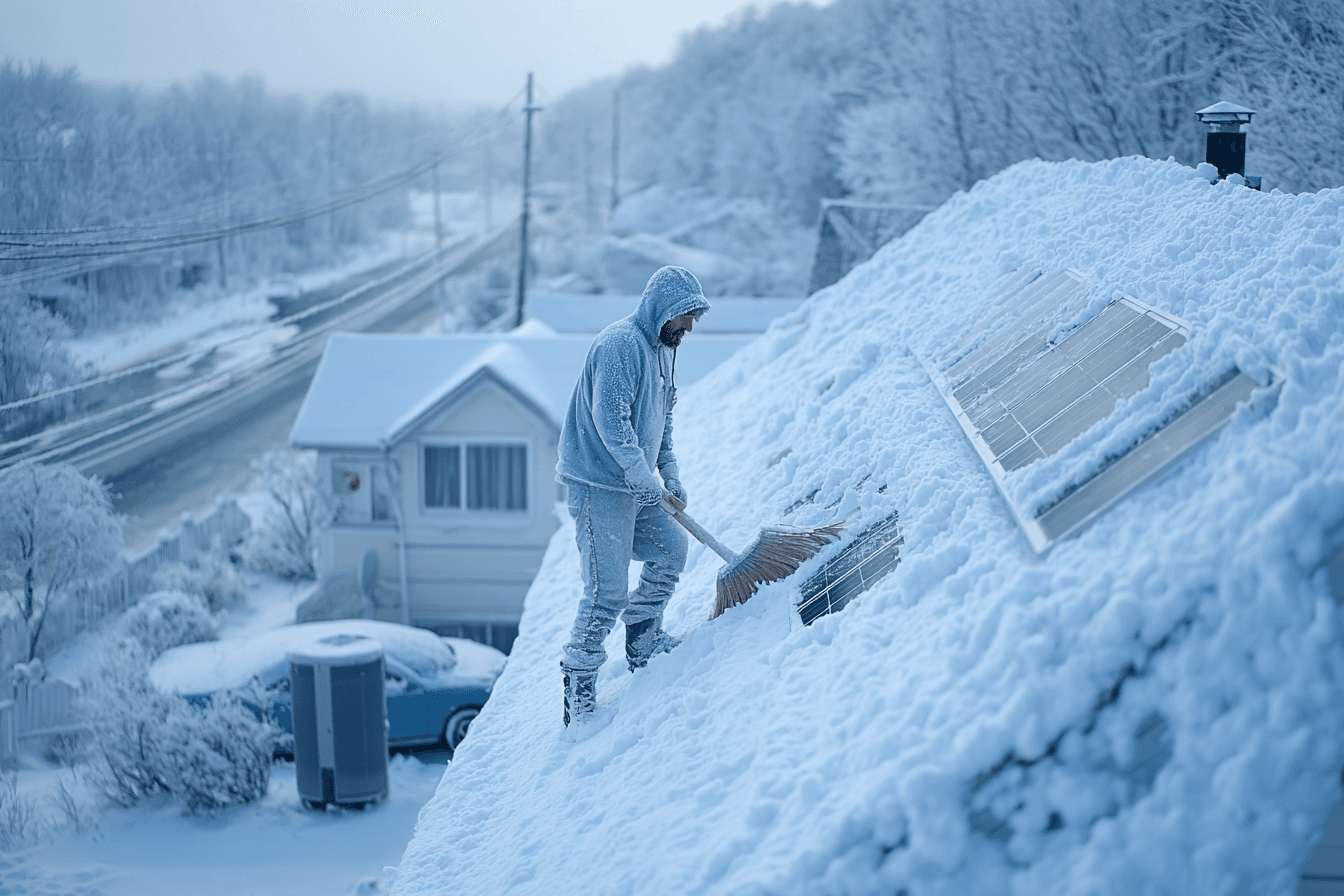
Assess Ottawa winter solar production with a monthly evidence sheet covering snow assumptions,...

Check net-zero building code claims against the locally applicable code, defined performance...