
Solar Energy
Home Energy Upgrade Payback: Simple and Discounted Methods
Calculate home energy upgrade payback with a clear baseline, net annual benefit and simple...
4 min

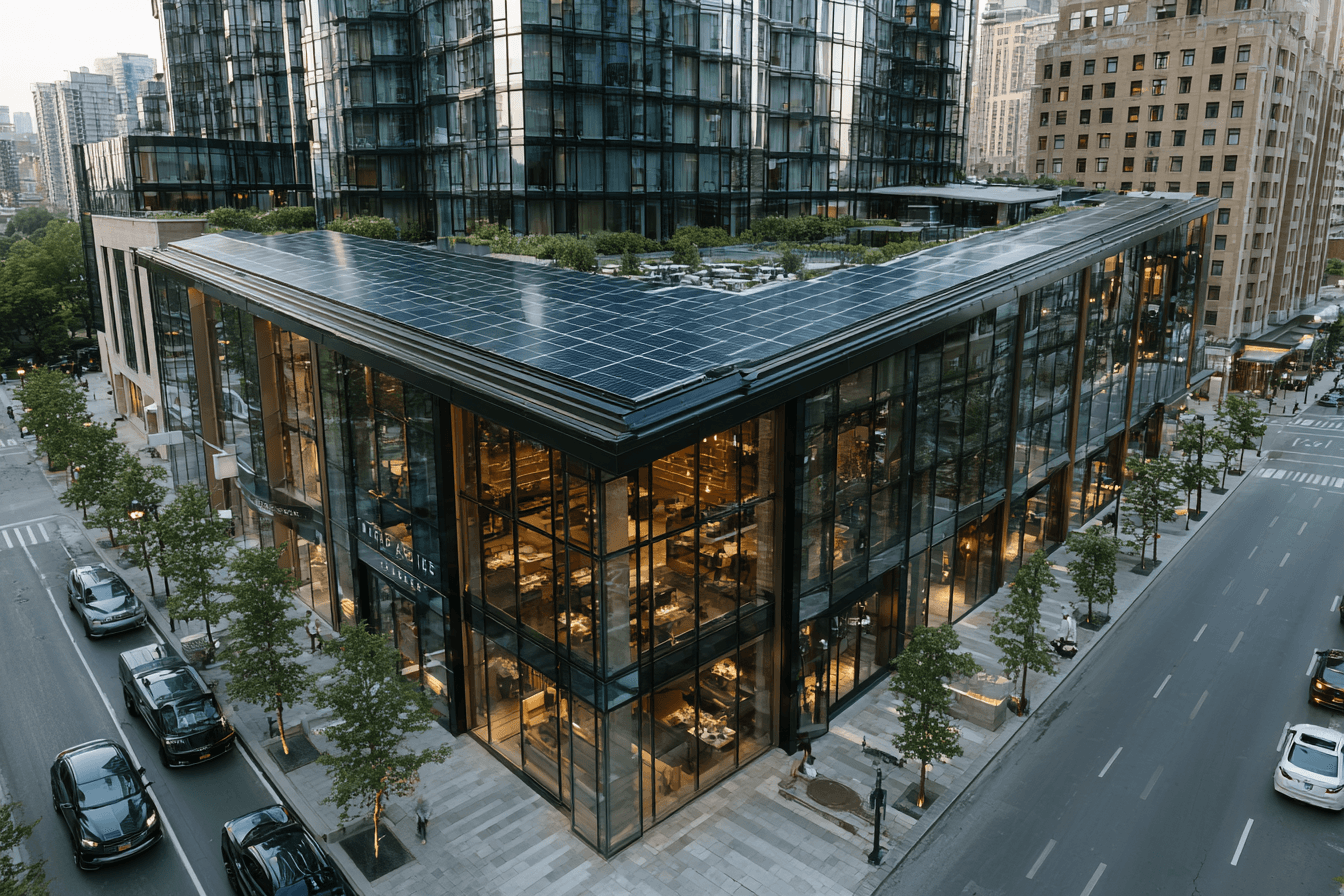
Compare building-integrated solar in Canada with a conventional enclosure and PV alternative, using a dual-function acceptance sheet and a documented repair strategy.
Building-integrated solar in Canada should be reviewed as both an electricity system and part of the home’s enclosure. Building-integrated photovoltaics, or BIPV, perform a building-material function while generating electricity. Examples include PV roofing and façade elements. That differs from conventional modules mounted above a completed roof. NRCan describes the technology.
For a new roof or façade, compare BIPV with the cost and performance of the enclosure material it would replace plus a conventional solar system. A comparison based only on panel prices misses scaffolding, weatherproofing, flashing, electrical work and future replacement.
BIPV is most useful to consider while architecture and enclosure details can still change. An existing sound roof may present a different decision from a scheduled reroofing project.
Ask who is responsible for drainage, watertightness, condensation control, ventilation and fire-performance documentation. The architect, enclosure specialist, structural designer and electrical contractor need coordinated details. A product's ability to generate electricity does not establish its suitability as a roofing or cladding assembly.
For glazing products, ask how transparency affects electricity production and daylight. For a vertical façade, obtain a production estimate for that orientation and its shading; do not substitute a rooftop estimate.
| Design issue | Evidence to request |
|---|---|
| Building-material function | What the product replaces and how the complete enclosure assembly performs. |
| Water and junction details | Coordinated roof, façade, penetration and adjoining-material details. |
| Electrical generation | Exact equipment, orientation, shade and modelling assumptions. |
| Approvals and responsibility | Applicable review path and named design/installation responsibilities. |
| Repair and renewal | Access, replacement sequence and responsibility for restoring the enclosure. |
Keep component evidence separate from evidence for the installed assembly. A module test or product brochure does not describe every junction, substrate or adjacent material in your home. Ask the design team which details still need assessment before accepting the proposed system.
In the conventional alternative, show the roof or cladding material and solar installation together. In the BIPV alternative, identify which material cost is genuinely replaced and which additional design or service work remains. Avoid subtracting the same avoided material cost twice.
Request the replacement procedure, access requirements and spare-material strategy. Can one failed element be removed without disrupting adjacent weatherproofing? Who pays for the building work needed to reach an electrical component? Confirm the separate responsibilities of the material supplier, installer and solar manufacturer.
A proposal should include the building approvals, utility connection process, monitoring arrangement and full warranty documents. Do not assume heritage approval, an incentive or an installer network is available simply because the system is visually integrated.
BIPV can make generation part of an architectural design. Choose it only after comparing enclosure performance, annual generation, service access and total installed cost with the conventional alternative. Personalized rebate discovery and address-based matching remain within Solenery's premium property flow.
Request as-built details, equipment identifiers, owner instructions and contacts for both enclosure and electrical concerns. Ask who investigates a leak near a generating element and who coordinates restoration if an electrical repair requires building work.
Retain the accepted alternatives comparison and the reasons for the choice. If appearance was a major priority, keep that priority visible alongside performance, service and cost rather than presenting it as a measured energy saving. A useful BIPV decision explains the complete building solution and how it can be maintained over time.
Calculate home energy upgrade payback with a clear baseline, net annual benefit and simple...

Assess Ottawa winter solar production with a monthly evidence sheet covering snow assumptions,...

Check net-zero building code claims against the locally applicable code, defined performance...