
Solar Energy
Home Energy Upgrade Payback: Simple and Discounted Methods
Calculate home energy upgrade payback with a clear baseline, net annual benefit and simple...
4 min

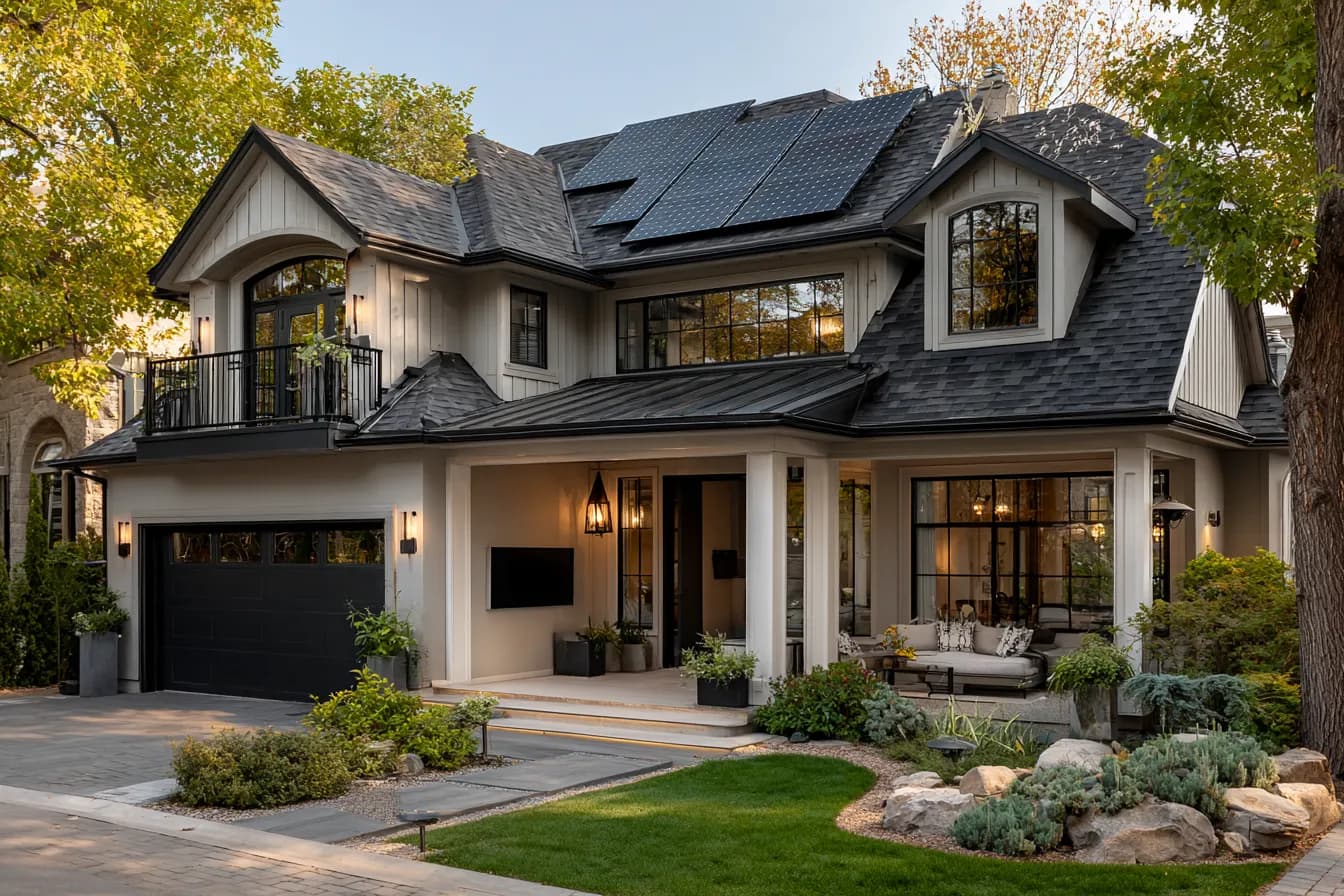
Read green mortgage offers carefully: separate borrowing, lender promotions and insurance refunds, then compare changes to the existing mortgage.
Green mortgage offers can refer to different products or benefits. Canadian homeowners should establish whether the proposal is borrowing for renovations, a lender promotion or a mortgage-insurance premium refund before treating it as money available for an energy upgrade.
The useful output is a lender-and-insurer question sheet. A green label does not establish a standard national rate, eligibility for additional borrowing or a rebate on the installed cost of solar.
| Description | What it might concern | Who must confirm |
|---|---|---|
| Borrowing for upgrades | Additional principal, a refinanced mortgage or another home-secured product. | The lender, using the actual agreement and approval process. |
| Energy-related lender promotion | A rate feature, fee treatment or other offer with defined conditions. | The provider, with current written terms. |
| Mortgage-insurance premium refund | Part of an eligible insurance premium, not the renovation invoice. | The relevant insurer under its own program. |
Ask what amount the benefit is calculated on. A refund expressed as a percentage of an insurance premium is different from the same percentage of the project cost or mortgage principal.
CMHC Eco Plus currently describes a 25% partial premium refund for qualifying CMHC-insured purchases of newly built energy-efficient homes. The page sets out property and energy-performance conditions.
That does not establish a general retrofit payment for an existing home. Ask which insurer product, if any, fits your actual purchase or renovation and which evidence, timing and application requirements apply. Do not extend a new-home program’s terms to a separate upgrade because both are described as green.
Before refinancing to raise project funds, request a written baseline showing the existing mortgage’s rate, payments, balance and remaining amortization. Then request the same information for the proposed arrangement at common future dates.
Include any prepayment charge, appraisal, legal or administrative cost, and the effect of a new rate on borrowing already outstanding. The transaction may affect much more than the amount needed for the equipment.
FCAC’s home-equity guidance describes home security and possible transaction costs. Have the lender explain the actual product rather than assuming every form of equity borrowing works like an instalment loan.
Extending repayment can change the monthly figure without eliminating principal. Ask for payments made and balance remaining over the same period, together with the full amortization and renewal assumptions.
For a hypothetical comparison, label the existing arrangement A and the proposed one B. Request both balances at your expected move date and at the end of the current term. Leave the cells unfilled until the lender supplies a schedule; an attractive payment alone cannot answer them.
This is a comparison method, not a prediction of your future rate or a recommendation to refinance. Financing the work does not establish that its energy benefits will cover the mortgage change. Use the solar financial-model guide for the separate project assumptions.
Collect the itemized project quote, proposed equipment, expected dates and relevant energy-evaluation or certification documents. Ask exactly which measures or property types qualify and whether evidence is required before work, at completion or during an application.
Keep any lender promotion, insurer refund and other assistance separate in the budget. Do not add percentages from unrelated bases into a single promised discount. Solenery’s address-based rebate discovery and matching require premium access through the existing property flow and do not approve mortgage borrowing or an insurer refund.
Use current written responses rather than a historic list of bank promotions. A clear answer distinguishes the project price, the borrowing obligation and any conditional benefit, so the green description does not obscure the actual decision.
Calculate home energy upgrade payback with a clear baseline, net annual benefit and simple...

Assess Ottawa winter solar production with a monthly evidence sheet covering snow assumptions,...

Check net-zero building code claims against the locally applicable code, defined performance...