
Solar Energy
Home Energy Upgrade Payback: Simple and Discounted Methods
Calculate home energy upgrade payback with a clear baseline, net annual benefit and simple...
4 min

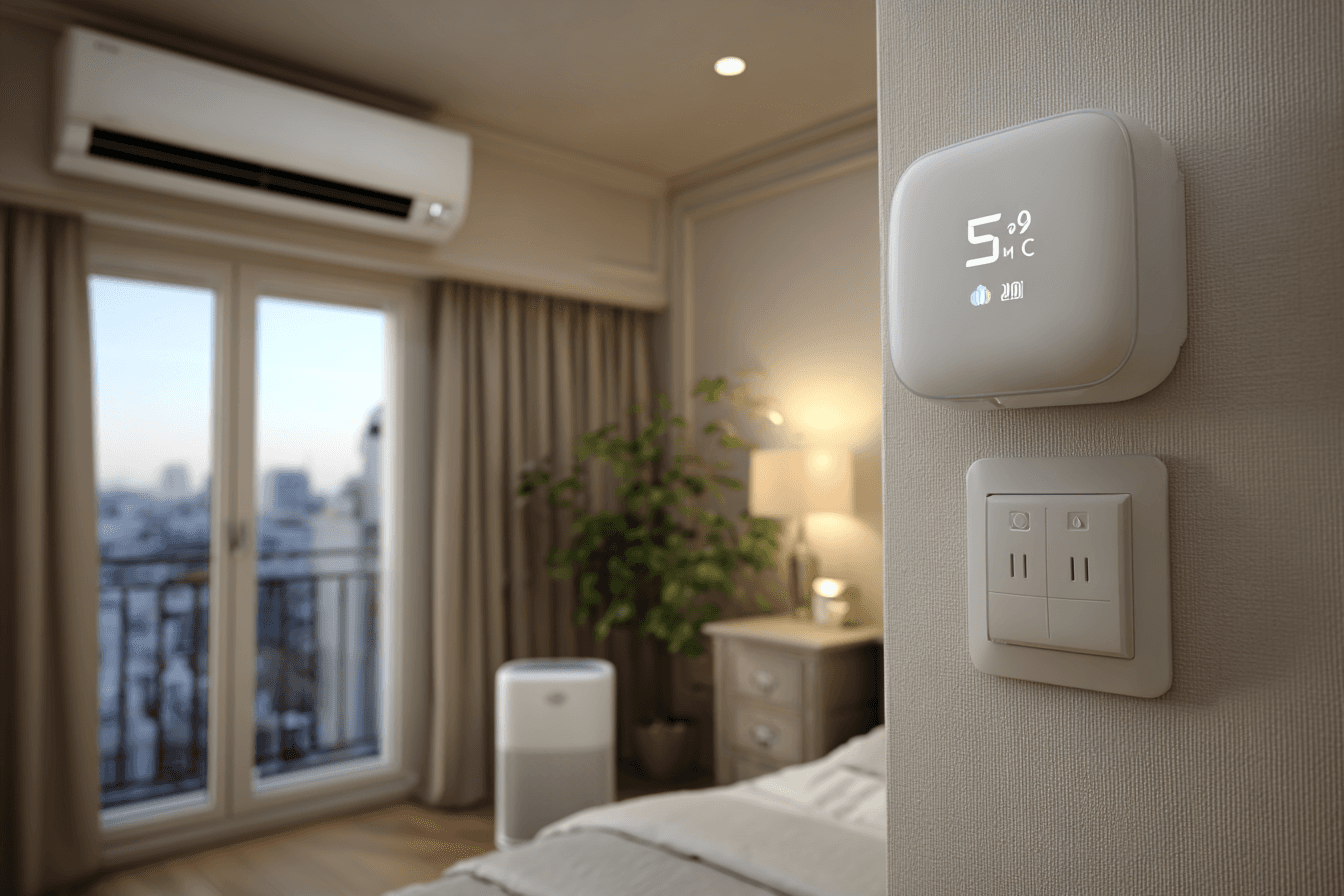
Reduce home energy use without rooftop solar by reviewing electricity and fuel records, prioritizing practical actions and identifying which concerns need assessment.
To reduce home energy use without rooftop solar, Canadian homeowners can start with existing consumption, comfort problems and equipment use. Build an action list that separates a suitable household routine from a repair, a measured purchase decision or a larger building assessment. Solar generation is not a prerequisite for understanding demand.
The useful output is a short, evidence-based list of next actions. It should state the problem, who can act and what information is missing before money is spent.
Gather available electricity and heating-fuel bills. Record the dates, energy units, charges and changes in occupancy or equipment. A household that heats with fuel needs those records alongside electricity; an electricity-only app cannot explain every heating expense.
Separate energy consumption from price. A tariff change can increase dollars without a change in kWh, and a longer billing period can look like a new consumption problem. Use comparable periods and note weather before declaring an improvement or a fault.
Write down unnecessary operating hours, an appliance concern, a recurring cold room or summer overheating. State observations rather than proposed products. “The office is uncomfortable in the afternoon” leaves room for an assessment of sun, airflow and use; “buy another smart device” assumes the answer.
NRCan’s household guidance gives room-by-room examples of lighting, appliance and other energy actions. Choose those appropriate to the actual home rather than adding every possible upgrade to the list.
| Action type | Useful next step | Evidence before proceeding |
|---|---|---|
| Unnecessary use | Try a suitable schedule or habit. | Operating hours, safe equipment guidance and household agreement. |
| Possible equipment fault | Request qualified diagnosis. | Symptoms, model information and service history. |
| Appliance purchase | Compare keeping, repairing and replacing. | Consumption, comparable capacity and full installed cost. |
| Building comfort issue | Request a focused or whole-home assessment. | Location, seasonal pattern, previous work and relevant records. |
Address hazards and essential repairs promptly. A projected energy return should not postpone a problem affecting safe operation or occupancy.
Pick one action with a clear owner and review date. For example, investigate an entertainment setup left operating unnecessarily, while preserving required functions and updates. Record the actual avoidable hours before deciding whether a control device is worth buying.
Keep heating, cooling, ventilation, refrigeration, accessibility and medical needs protected. Large thermostat setbacks are not a universal answer, particularly for heat pumps with a specific control strategy. Follow the equipment instructions and ask the provider to explain persistent comfort or recovery problems.
Insulation, air leakage, ventilation and heating interact. When the issue spans several rooms or proposed upgrades, ask what information a broader assessment would supply. NRCan describes the EnerGuide evaluation process and the building information an advisor collects.
Confirm who has authority to approve work if ownership is shared or the property is subject to building rules. Wiring, fixed controls and major equipment changes need the appropriate qualified people and permissions.
Record the action, cost, observations and remaining uncertainty. Use measured consumption where available, and label estimates as estimates. Running an appliance in a cheaper tariff period may reduce cost while leaving energy use unchanged.
Keep the next action tied to what the first step revealed. A useful non-solar plan improves the household’s understanding of demand and directs spending toward a documented need, without promising a fixed bill reduction or assuming eligibility for financial support.
Calculate home energy upgrade payback with a clear baseline, net annual benefit and simple...

Assess Ottawa winter solar production with a monthly evidence sheet covering snow assumptions,...

Check net-zero building code claims against the locally applicable code, defined performance...