
Incentives & Rebates
National Heat Pump Rebate: Eligibility & Income Limits
National Heat Pump Rebate rules published Nov 1, 2026: $2,000 or up to $10,000, income limits by...
8 min

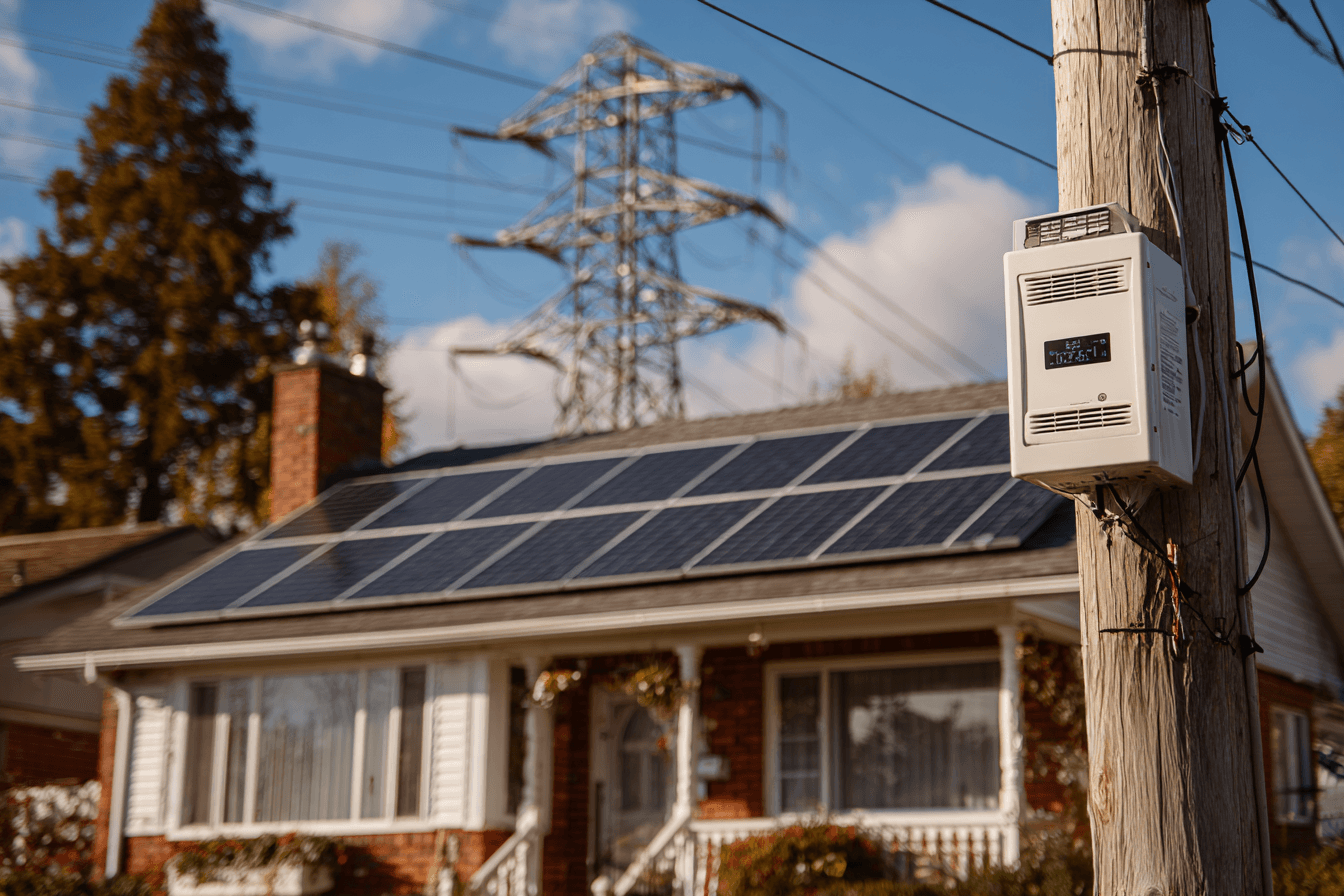
Check Ontario Local Solar Adjustment claims against the utility’s actual tariff or agreement, with a claim-to-source worksheet and a supported base-case comparison.
Ontario Local Solar Adjustment claims need an applicable utility tariff or agreement before they belong in a homeowner’s base-case solar calculation. Ask the utility to identify the actual payment and its conditions. An LSA reference in a sales proposal needs a verifiable program document before it can be treated as an offer or an entitlement.
The Ontario Energy Board's public net-metering guidance describes the established framework: eligible renewable generation can serve your own use, and surplus sent to the grid can create bill credits. That is different from a separate location-based solar payment.
If a salesperson proposes an additional adjustment, request its full name, administrator, published terms, effective date and the utility's written confirmation that it applies to your account. Find out whether it is an approved tariff, a limited demonstration, a private contract or simply a forecast of future policy.
Do not accept a generic reference to a pilot as evidence that your home qualifies. Ask how the credit is calculated, which meter data it uses, how long it lasts, and whether the offer can change or end. Avoid signing on the assumption that a future program will arrive.
| Claim detail | Evidence to request |
|---|---|
| Name and responsible party | Full offer or tariff name, issuer and official source. |
| Account applicability | Written utility confirmation for the proposed connection and dates. |
| Calculation | Quantity measured, valuation method and any limit. |
| Duration and changes | Start, expiry, revision and cancellation conditions. |
| Contractual role | Whether the value is an approved charge/credit, private obligation or speculative assumption. |
A name on a sales spreadsheet does not establish any of these points. Ask for the original document and contact the utility independently. A reference to a demonstration elsewhere does not prove a payment for your account.
The OEB says net-metering credits offset consumption-related charges, rather than every charge on a bill. Credits can carry forward for up to 12 months before being reduced to zero. Confirm your utility's connection requirements and billing treatment before ordering equipment.
A useful quote should show the model without the disputed adjustment. Compare generation, self-consumption, export credits, remaining utility charges and service costs separately. Then ask whether the project still fits your budget if the extra payment is unavailable.
Request a revised calculation and written explanation from the installer. Have financing documents and any third-party electricity agreement reviewed independently where necessary. A clear calculation lets you decide on the system that is actually offered, rather than on an unsupported income stream.
Request a base case using only supported utility and contract assumptions. Put any unresolved extra payment in a separate conditional scenario with its missing evidence identified. Do not allow it to cover a funding gap silently.
Ask which document would move the assumption into the base case and who is responsible for obtaining it. If none is supplied, make the project decision using the supported case. This is a way to evaluate a specific claim, not a finding that every similarly named arrangement exists or is unavailable.
Keep the revised quote, source documents and utility response together. A later genuine change can then be reviewed against its actual terms without confusing it with the unsupported amount originally used in the sales model.
National Heat Pump Rebate rules published Nov 1, 2026: $2,000 or up to $10,000, income limits by...

Build an energy rebate eligibility evidence file that separates confirmed property, applicant...
Complete seven checks before signing for a rebate-funded solar or heat pump project, focusing on...