
Solar Energy
Home Energy Upgrade Payback: Simple and Discounted Methods
Calculate home energy upgrade payback with a clear baseline, net annual benefit and simple...
4 min


Use seasonal home energy checks to record drafts, moisture, shading and ventilation concerns, assign follow-up and distinguish observation from diagnosis.
Seasonal home energy checks help Canadian homeowners record changes in the building before choosing a repair or retrofit. Focus on drafts, moisture, sun exposure and ventilation, then assign unresolved concerns to an appropriate professional. This is a whole-home observation record; equipment cleaning and service dates still follow their own manuals.
A rising bill or a cold room does not identify a cause on its own. Keep observations alongside energy quantities, weather and household changes so the next assessment starts with useful evidence.
From safely accessible areas, look for new staining, persistent condensation, drafts or damaged weatherstripping. Note the exact location, when it appears and whether it follows rain, thawing or a change in occupancy. Take photographs only where access is safe.
Arrange prompt investigation of active water entry or a condition affecting safe occupancy. Do not cover damp material with insulation or seal an opening simply because it looks like a gap. Some openings serve ventilation, drainage or combustion functions.
Record rooms that overheat, the time of day and available shading. Existing blinds or curtains can help manage direct sun where suitable, provided they do not block heaters or needed airflow. Note whether a comfort problem affects one room or the whole house.
Keep supply, return and ventilation paths clear as instructed. Closing many registers or blocking an outdoor opening is not a substitute for a distribution assessment. Ask a professional to investigate persistent airflow or drainage concerns.
Review accessible doors and windows for changes since spring. Identify recurring issues rather than assuming every draft requires an equipment upgrade. Put larger air-sealing, insulation or window proposals into a whole-house discussion that includes ventilation and moisture.
NRCan’s EnerGuide evaluation guidance explains how an advisor gathers information about airtightness, insulation, windows, heating and ventilation. Ask the service organization about the actual evaluation scope and preparation. A seasonal checklist does not perform that assessment remotely.
Note persistent condensation, new drafts and rooms that do not maintain suitable conditions. Record the thermostat setting and relevant weather rather than immediately labelling the equipment too small.
Do not turn off needed ventilation or essential heating to meet a consumption target. NRCan’s operating-your-house guidance treats heating, cooling and ventilation as connected parts of the home. Equipment, occupant needs and building conditions all matter.
| Record field | What to enter |
|---|---|
| Observation | Location, date and what actually changed. |
| Conditions | Weather, occupancy and recent work or settings. |
| Evidence | Safe photographs, relevant bills or previous reports. |
| Next step | Owner-permitted action or professional assessment request. |
| Responsibility | Named person, review date and service contact if relevant. |
| Closure | Work completed, findings and whether the concern recurred. |
Keep routine observations separate from urgent hazards, which need prompt appropriate assistance. A future review date must not postpone a serious leak, electrical concern or loss of safe indoor conditions.
Compare energy use over similar periods, noting billing length, tariffs and weather. A lower dollar bill does not by itself prove that a building change reduced consumption. Conversely, a colder season can obscure a useful improvement.
Carry recurring observations into a clear assessment brief and retain the resulting findings. The practical benefit of a seasonal record is knowing what changed, what was investigated and which action remains open, rather than repeating the same repair guess each year.
Calculate home energy upgrade payback with a clear baseline, net annual benefit and simple...
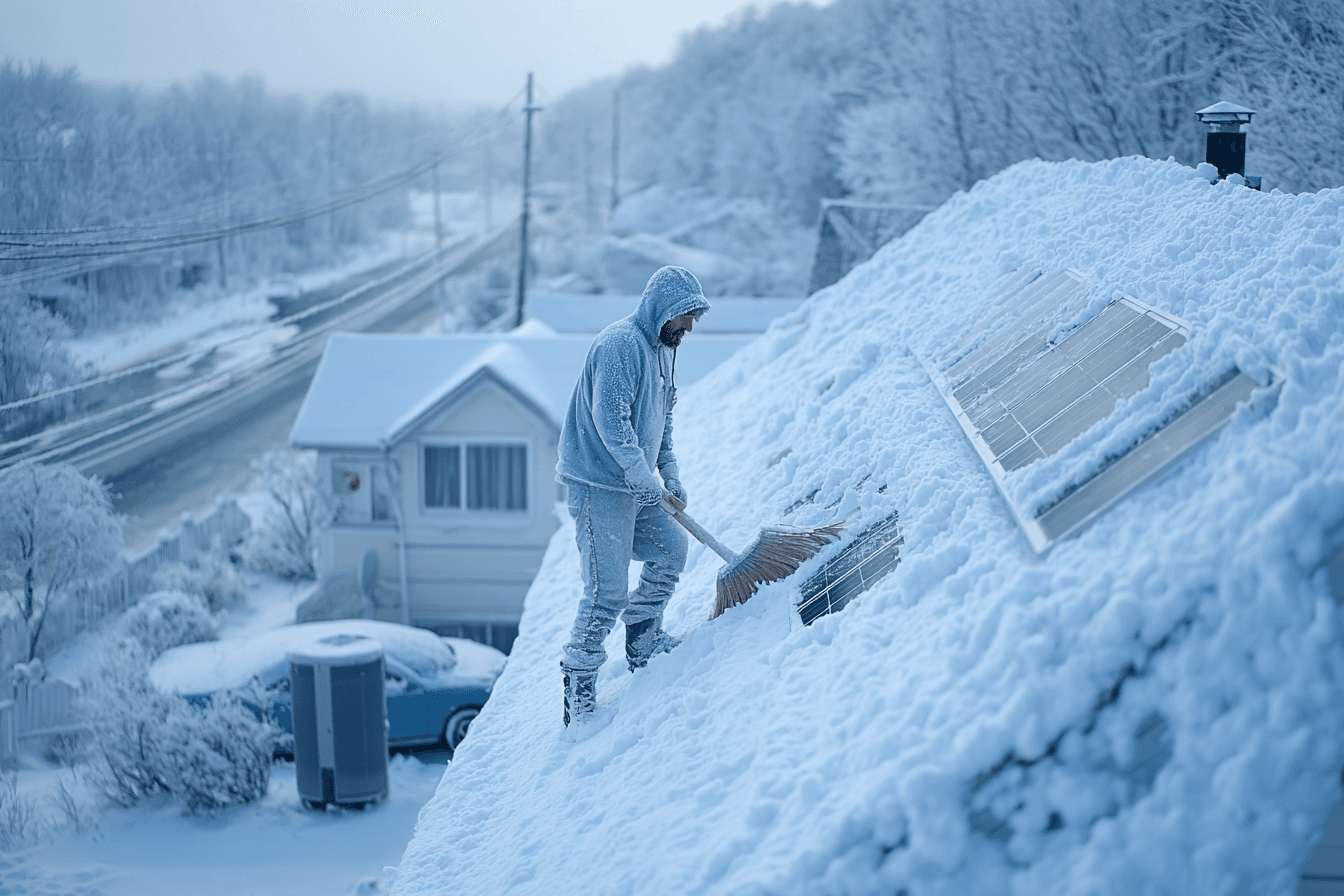
Assess Ottawa winter solar production with a monthly evidence sheet covering snow assumptions,...
Check net-zero building code claims against the locally applicable code, defined performance...