
Solar Energy
Home Energy Upgrade Payback: Simple and Discounted Methods
Calculate home energy upgrade payback with a clear baseline, net annual benefit and simple...
4 min

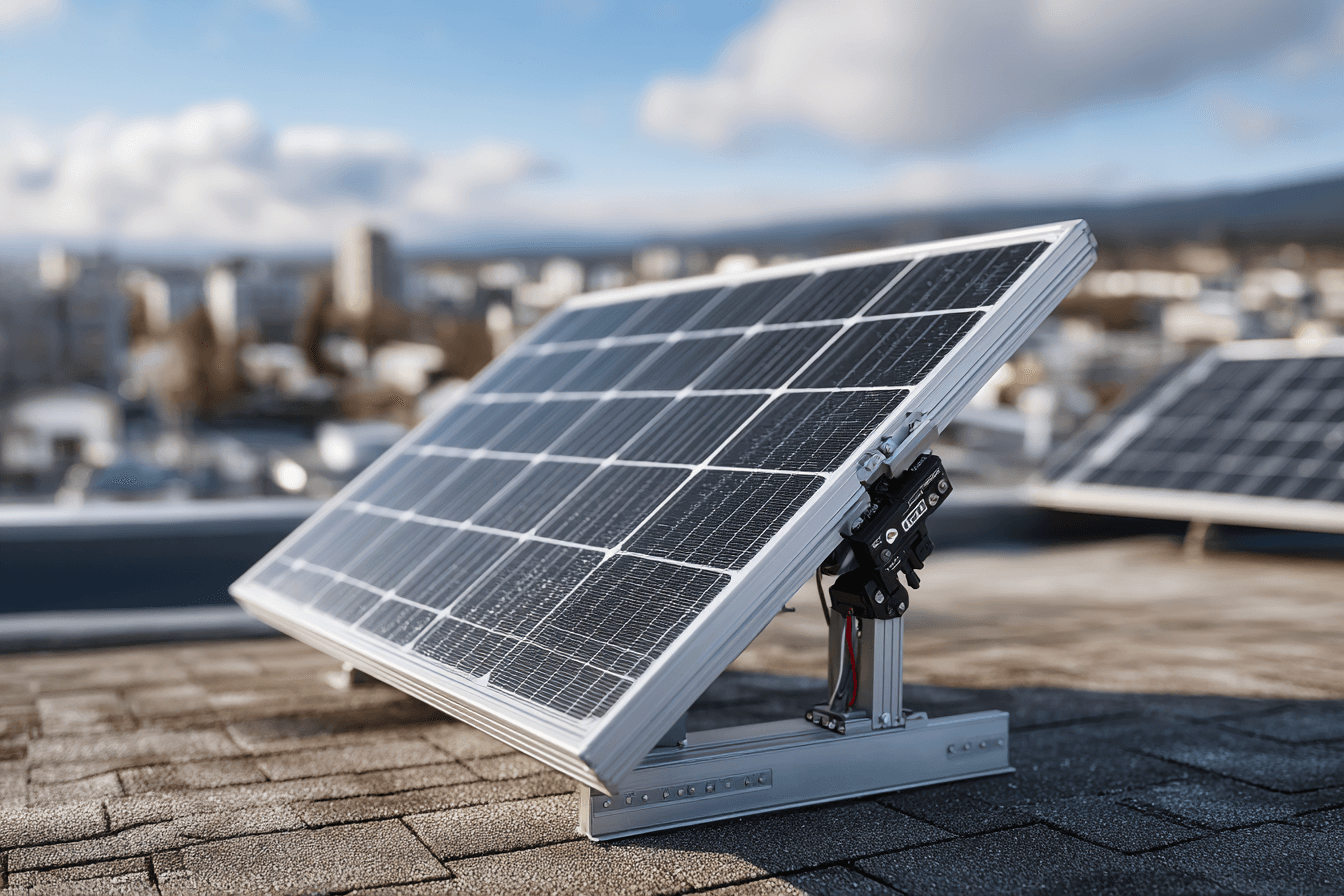
Assess microinverters on a shaded roof by separating lost sunlight from mismatch, comparing equivalent layouts and checking the value of extra generation.
Microinverters on a shaded roof can reduce some electrical mismatch effects, but they cannot replace missing sunlight. Canadian homeowners should compare complete proposed systems under the same roof and shade assumptions before paying a premium. A microinverter converts module DC electricity into AC near the array; other designs use string inverters, sometimes with module-level optimizers.
Module-level control can help when panels receive different sunlight or face different directions. It cannot recover sunlight that never reaches a shaded panel, and it does not make a heavily shaded roof a good solar site.
| Question | Why it matters |
|---|---|
| How much shade falls on each roof section, and when? | The annual impact matters more than a single photo |
| What does the string design already do about shade? | Multiple inputs, bypass diodes and optimizers affect comparisons |
| Which modules and inverter ratings are proposed? | Compatibility and clipping affect production |
| What access is needed for a failed component? | Rooftop labour may matter more than a parts warranty |
| What monitoring is included? | Module data can help diagnosis but may need extra hardware |
The U.S. Department of Energy’s inverter overview explains string and microinverter arrangements and the effects of module-level shading. It is general technology context, rather than a prediction that one arrangement wins on every Canadian roof. Ask what the actual design already does about mismatch and shade.
Record which roof areas are shaded, when the shade occurs and whether it changes seasonally. A chimney shadow affecting a few modules for part of the day differs from a roof face with broad persistent shade. The electronics comparison should use that measured or modelled pattern.
Ask the designer to explain which losses come from reduced light and which come from the way modules and electronics operate together. Bypass diodes, separate inverter inputs and optimizers can affect the alternative design. “String inverter” alone is not enough detail to calculate its shade loss.
Request two quotes with the same modules, roof coverage and production assumptions. Compare the installed-cost difference with the expected additional annual kWh and your actual value per kWh. Include service access, monitoring fees and warranty labour terms.
A hypothetical $1,000 premium recovering 150 kWh annually at an assumed $0.15/kWh produces $22.50 of annual energy value. That example is a calculation method, not a typical performance result. A different roof or tariff can change it substantially.
Adding modules later still needs electrical capacity, compatible equipment and utility approval. Microinverters alone also do not establish outage backup; that requires a system designed and approved for the intended backup operation. Ask for these features in the written scope rather than relying on a product-family name.
For each option, retain the roof layout, exact module and inverter arrangement, shade model, annual generation estimate and full installed price. Add equipment compatibility, monitoring hardware or fees, expected service access and labour coverage.
Ask for the incremental annual kWh attributed to the electronics choice, with its uncertainty. If the comparison changes both the electronics and the roof coverage, request an explanation of each contribution; the whole difference cannot automatically be credited to microinverters.
Review the result with your priorities. A small modelled energy gain may still accompany a monitoring or layout preference, but it should not be described as a measured return. If the site has too little usable sunlight, request a candid assessment of that limitation before comparing more expensive electronics. Preserve the chosen design and the reasons for it with the quote.
Calculate home energy upgrade payback with a clear baseline, net annual benefit and simple...

Assess Ottawa winter solar production with a monthly evidence sheet covering snow assumptions,...
Check net-zero building code claims against the locally applicable code, defined performance...