
Solar Energy
Home Energy Upgrade Payback: Simple and Discounted Methods
Calculate home energy upgrade payback with a clear baseline, net annual benefit and simple...
4 min

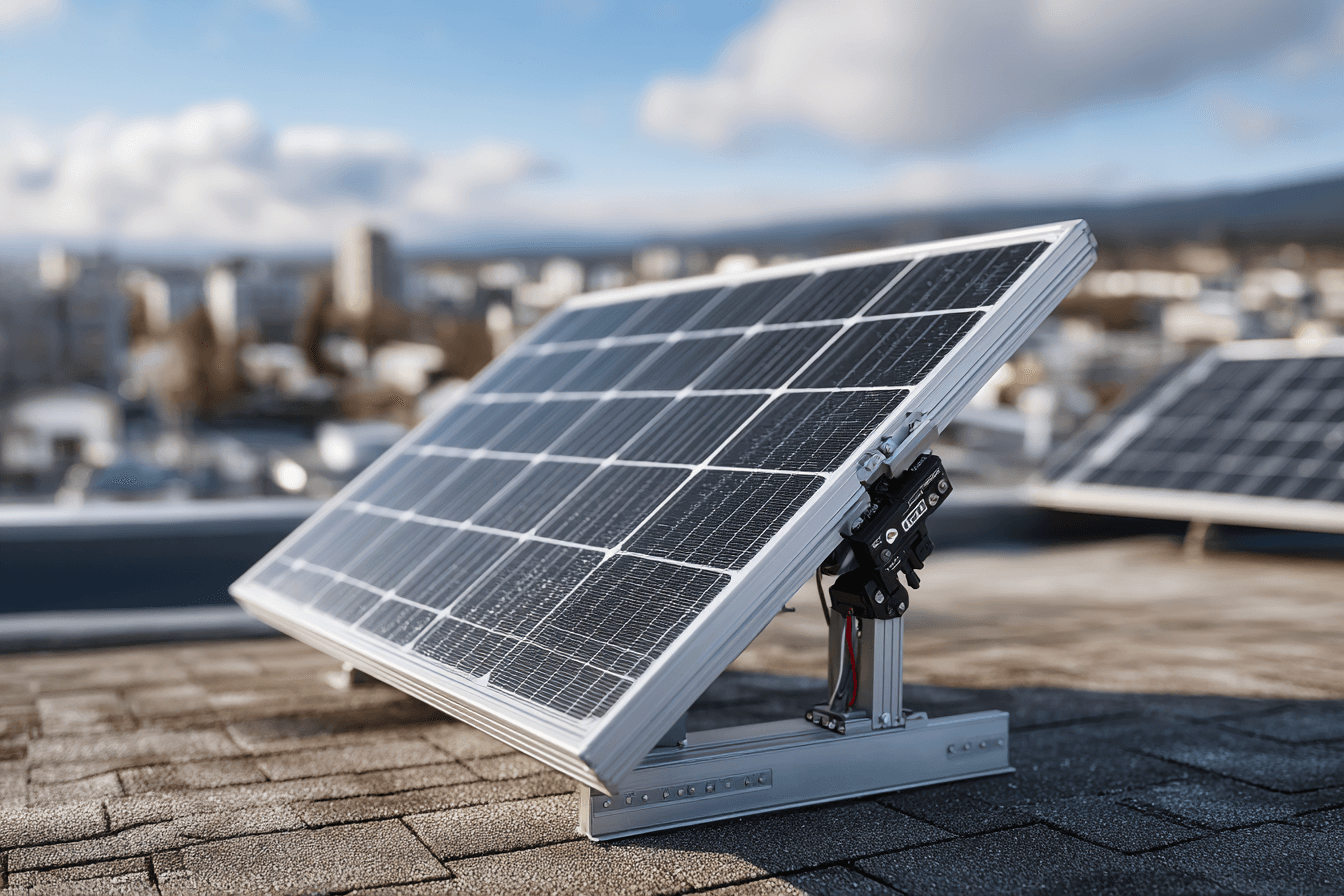
Coordinate electrical capacity planning with a staged equipment register, separate load and generation checks, and documented control assumptions.
Electrical capacity planning should put a Canadian household’s heat pump, EV charging, solar and future loads into one staged brief. Adding them independently can leave important assumptions unresolved. A label showing 100 or 200 amps is only one part of that plan. Spare breaker spaces do not prove spare electrical capacity, and a full panel does not automatically mean the utility service must be enlarged.
Existing service and demand: a qualified electrical contractor should assess the current installation and the calculated load under the locally adopted rules. New heat-pump demand includes any electric supplemental heat; EV charging demand depends on the proposed charging level and controls.
Distribution equipment: panel bus ratings, breaker compatibility, condition, spaces and the proposed circuit arrangement matter. A subpanel can add circuit spaces without adding service capacity.
Generation connection: solar is a source of electricity, not simply another household load. Its connection needs an assessment of the inverter output, panel arrangement, protection and utility requirements. Do not add solar breaker amps to appliance breaker amps and call the result a load calculation.
For Ontario projects, ESA's published installation guidance includes generation and HVAC subjects. Other jurisdictions have their own authority and utility process; ask the electrician to identify the applicable requirements in writing.
List each planned change even if it will happen later. Mark it as selected equipment, a design assumption or a future possibility. Give the electrician the actual models and relevant documentation as they become available; a placeholder is not a confirmed electrical requirement.
| Stage or equipment | Information to document | Coordination question |
|---|---|---|
| Heat pump | Exact system, supplemental heat and existing equipment retained. | What does the complete heating arrangement require? |
| EV charging | Vehicle needs, parking time, proposed rate and controls. | Can a compliant managed or lower-rate option meet the need? |
| Solar or storage | Inverter configuration, intended operation and connection proposal. | How does generation/storage affect the approved arrangement? |
| Later changes | Possible second vehicle, water heating or addition. | Which provisions are useful now, and which need later reassessment? |
Ask who maintains the shared assumptions across the electrician, HVAC installer and solar designer. If one design changes, identify who checks its effect on the other stages before work proceeds.
A service upgrade may be appropriate, but it is not the only possibility. A qualified designer may evaluate approved load management, a different EV charging rate, a different equipment choice or changes to distribution. Manually promising not to use two appliances at once is not the same as an approved control system.
Ask what each option costs, which equipment it can control, and how it behaves during faults or outages. A “smart panel” does not create unlimited capacity.
Include calculations, permits, utility coordination, meter equipment, trenching or service work, patching, inspections and commissioning. State which costs remain allowances and what would trigger a change order. Record future plans so today's design does not overlook a likely later load.
Homeowners can gather bills, equipment lists and accessible labels. Leave covers in place and let the professional inspect internal components. Do not use smart plugs, extension cords or breaker changes as capacity workarounds.
Technical Safety BC’s EV energy-management bulletin illustrates that controlled charging has load-calculation, equipment-acceptance and operating requirements. It is a BC example, not approval for a device in every province.
For any proposed control, ask what it monitors, what it limits and how it behaves if communication fails. Have the provider document commissioning and the assumptions that must remain true when another load is added. The final plan should identify both today’s approved scope and the triggers for a fresh assessment, so a future installer can work from evidence.
Calculate home energy upgrade payback with a clear baseline, net annual benefit and simple...

Assess Ottawa winter solar production with a monthly evidence sheet covering snow assumptions,...
Check net-zero building code claims against the locally applicable code, defined performance...