Heat Pumps
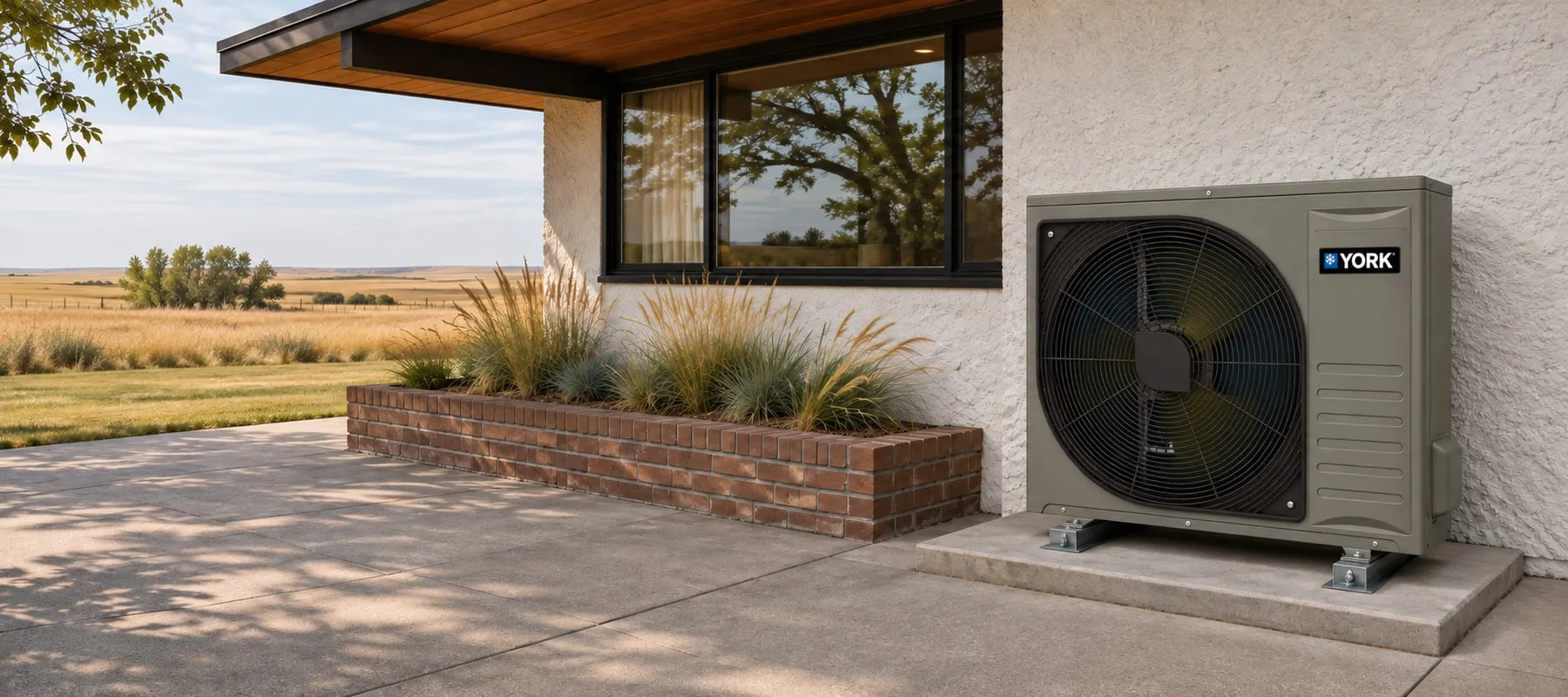
York HH8 and Affinity Heat Pump Review
A licensed brand now under Bosch that shares platforms with Coleman and Luxaire. What a Quebec...
5 min

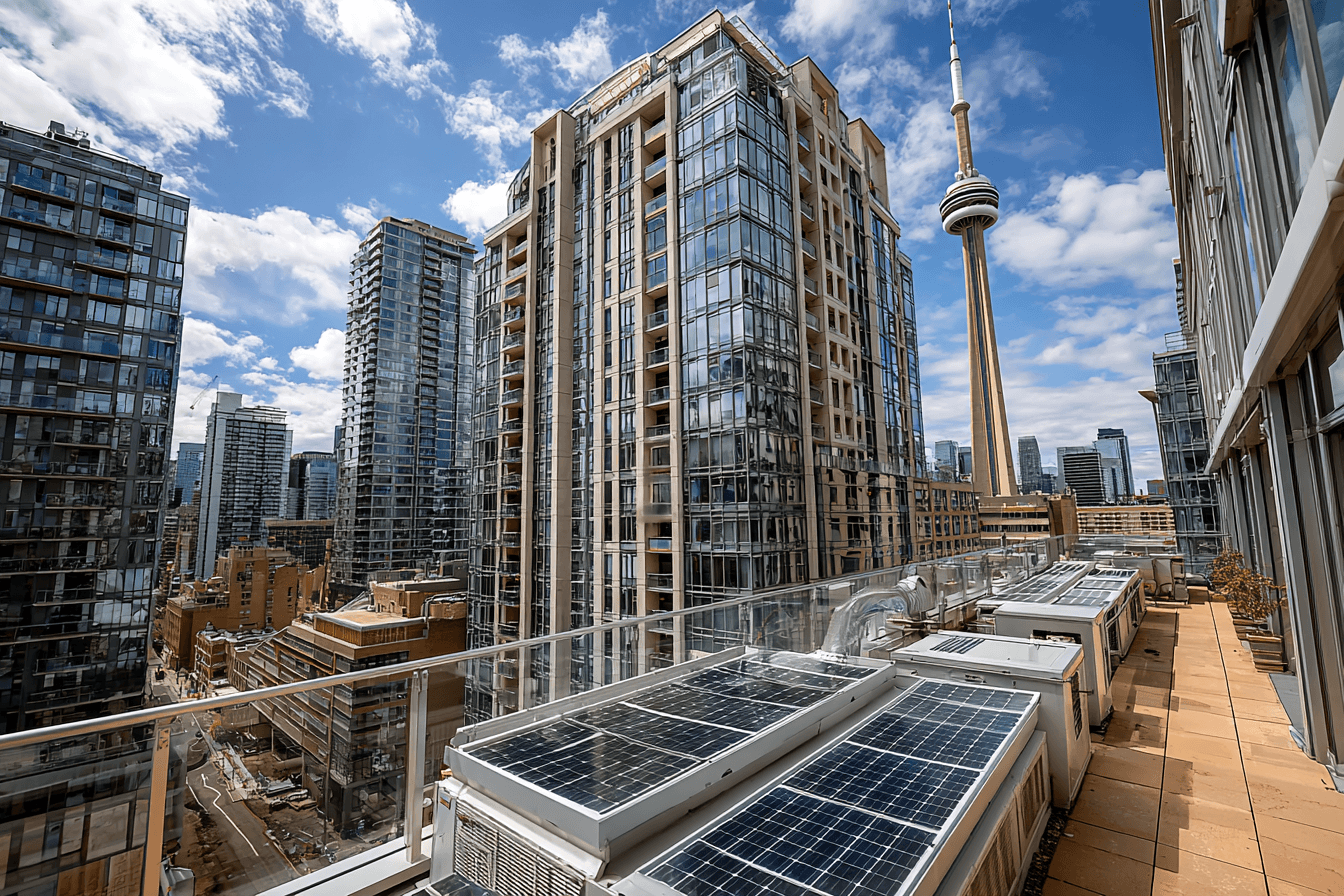
Use TowerWise high-rise retrofit lessons from the documented Perth Avenue co-op case to organize financing, resident coordination, commissioning and outcome evidence.
TowerWise high-rise retrofit lessons can help a Canadian building owner organize the delivery team and the evidence it owes residents and decision-makers. High-rise retrofits involve more than selecting efficient equipment. Owners must coordinate technical work, resident needs, financing and ongoing operations. The Atmospheric Fund’s TowerWise material provides documented examples of how these responsibilities can come together.
TAF’s March 2020 Perth Avenue Housing Co-operative case study describes work begun in 2014 on an eight-storey building. It identifies an Energy Savings Performance Agreement as the financing arrangement and reports $84,000 in annual cost savings for the co-op. TAF also describes an integrated delivery approach that reduced mobilization costs. These are attributed results for that project, not a savings forecast for another tower. TAF case study.
The older TowerWise backgrounder describes the programme’s development. Read it as historical programme information rather than evidence that the same support or intake is available today. TAF backgrounder.
For your building, establish a shared brief before procuring individual measures. Identify existing capital repairs, comfort concerns, equipment condition and the owner’s objectives. Ask designers how measures interact: envelope work can affect heating requirements, while distribution and controls can affect both comfort and energy use.
Name the person responsible for coordination across designers, contractors and building staff. Put approved scope, access arrangements and unresolved issues in one controlled record. Otherwise, an efficient piece of equipment can arrive before the building is ready to use it properly.
Explain proposed work, anticipated disruption, access needs and the route for questions. Ask about existing comfort and indoor-environment concerns before selecting success measures. Provide updates when schedules change and a way to report problems after commissioning.
Do not assume residents and owners receive the same financial benefit. Record which costs and services change for each group, and obtain the appropriate advice on tenancy and contractual implications.
| Workstream | Decision or evidence to retain |
|---|---|
| Capital and technical scope | Existing condition, interactions between measures and accepted design. |
| Financing | Actual payment obligations, assumptions, risks and approval conditions. |
| Resident coordination | Access needs, communications, disruption and a route for unresolved concerns. |
| Commissioning | Responsible team, required checks and corrections before acceptance. |
| Operations | Training, service contacts, control records and maintenance responsibilities. |
| Outcome review | Baseline, period, method and the person accountable for reporting. |
Keep a change visible across these workstreams. A revised equipment choice can affect access, controls, cost and commissioning, even when it looks like a small substitution in a purchase order.
The Perth case is useful because it links a named building, delivery approach and financing arrangement. Its published savings figure should remain attributed to TAF and the project period; it is not a benchmark a different owner can insert into a budget without a supported analysis.
Agree the baseline, measurement period, weather or occupancy adjustments and the party checking the results. Include service reliability and resident experience alongside energy and costs.
A named project can demonstrate a delivery approach without proving that every tower will achieve the same result. Use the case study to ask better questions of your own team and confirm current support directly with the relevant organization.
Close the project with the accepted records and a named process for recurring issues. Ask building staff and residents whether the handover resolves the practical questions raised during work. Coordinated delivery includes what happens after the last installation visit, rather than ending when a case-study result is announced.
A licensed brand now under Bosch that shares platforms with Coleman and Luxaire. What a Quebec...
A Whisperline heat pump is part of a building loop, so replacing one is a building decision....
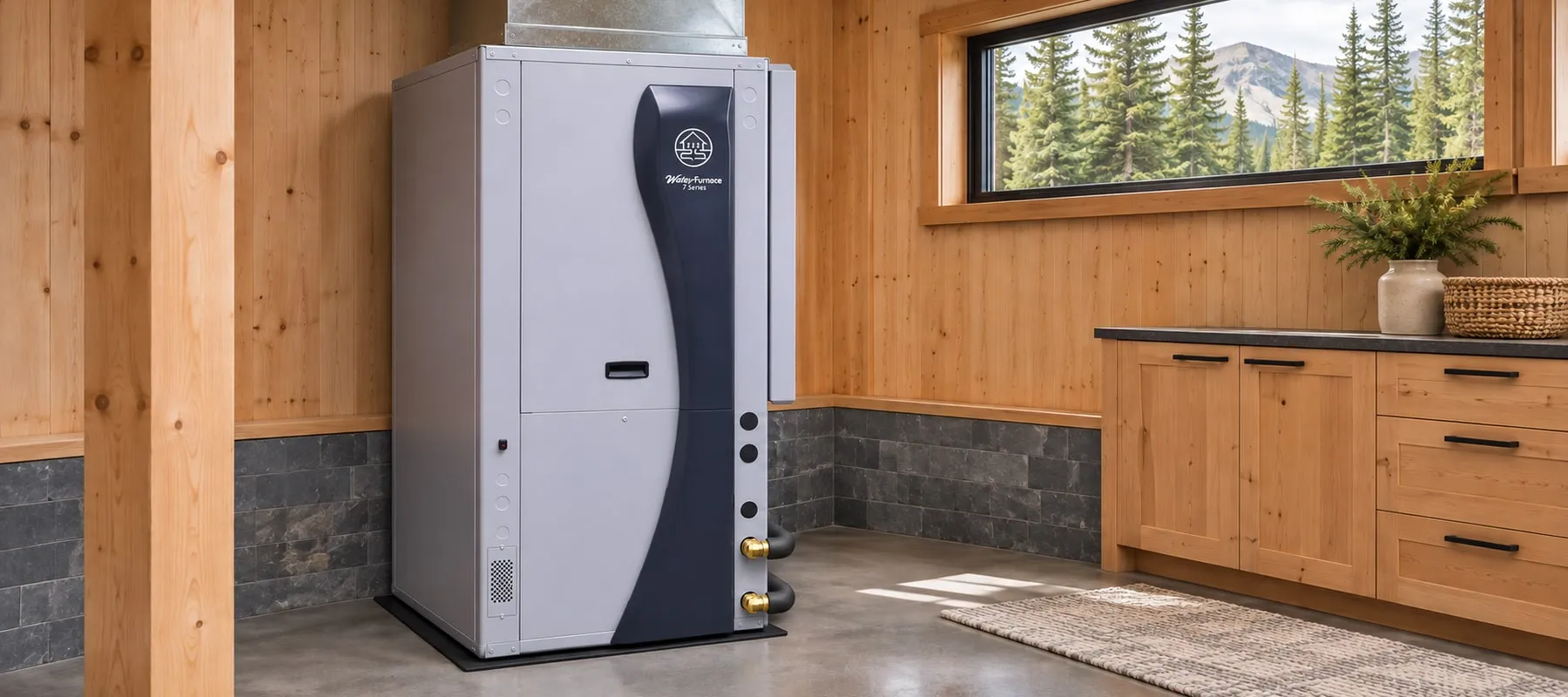
A ground-source brand where the buried loop matters as much as the unit. What WaterFurnace...