
Solar Energy
Home Energy Upgrade Payback: Simple and Discounted Methods
Calculate home energy upgrade payback with a clear baseline, net annual benefit and simple...
4 min

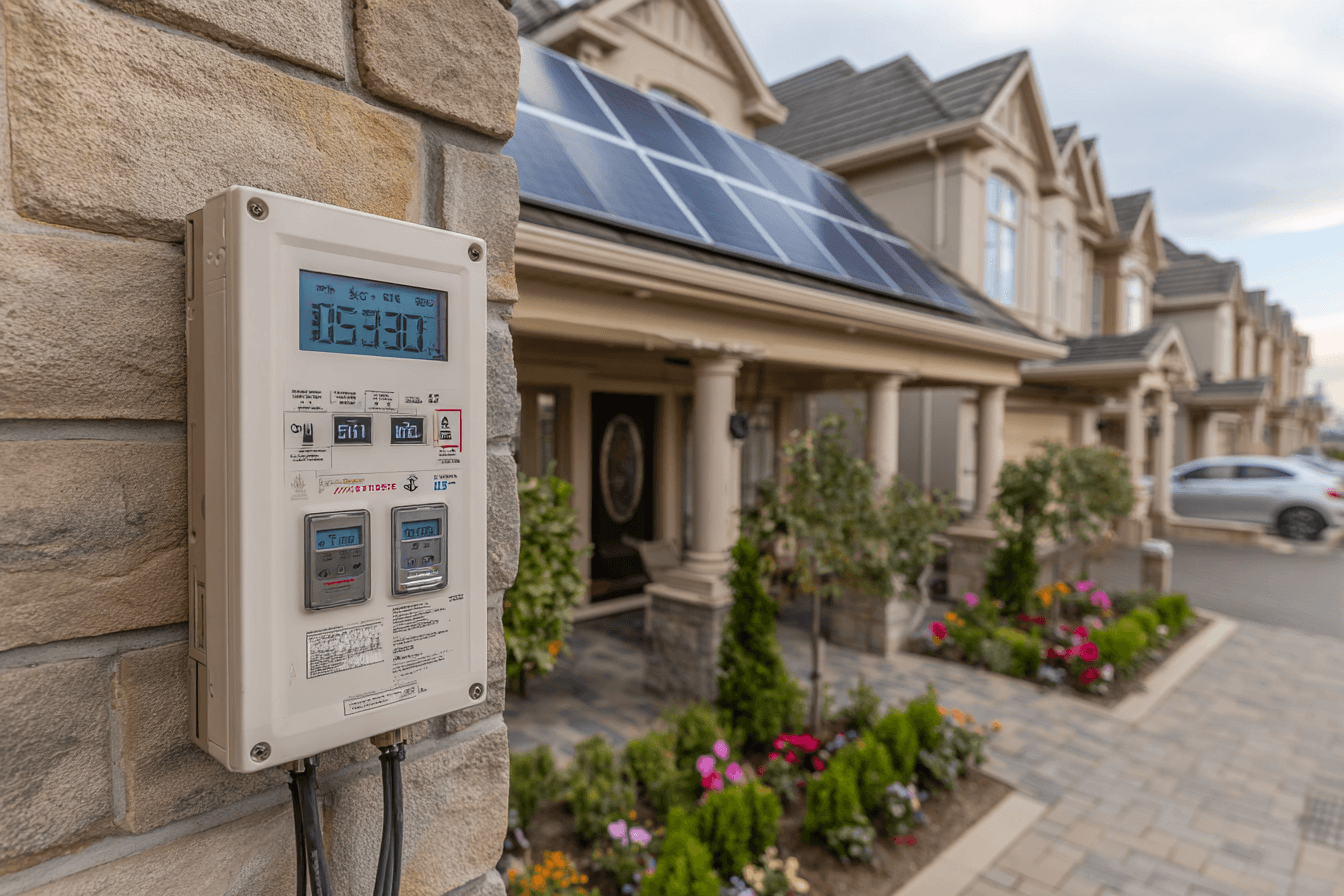
Understand bi-directional solar meter readings with a worked cumulative-register example, matching dates and clear limits on what the meter can show.
Bi-directional solar meter readings show electricity exchanged with the grid, rather than all the electricity produced and used inside a Canadian home. Compare the import and export registers over the same period using the utility’s explanation for your exact meter. Do not infer their meaning from an unfamiliar display number or arrow.
This guide covers reading and comparing quantities. The rate applied to those quantities and the resulting credit balance are separate billing questions.
Ask the utility which register records imports and which records exports, what units are shown and whether the display is cumulative or an interval value. Record the meter identifier and any multiplier the utility says applies.
Do not treat an instantaneous kW display as accumulated kWh. Hardware, labels and display sequences vary. Keep a photograph or reading only when it can be obtained safely without opening, altering or approaching restricted equipment.
Here is an invented meter example with kWh units, no multiplier and no meter replacement, rollover or correction during the period. The labels below are descriptive, not codes for an actual utility meter.
| Register | Start reading | End reading | Period quantity |
|---|---|---|---|
| Imported energy | 2,500 kWh | 2,518 kWh | 18 kWh |
| Exported energy | 900 kWh | 907 kWh | 7 kWh |
Subtract the earlier reading from the later one for each register: 2,518 − 2,500 = 18 kWh imported; 907 − 900 = 7 kWh exported. Record both figures rather than replacing them with their 11 kWh difference.
The difference alone loses information that may matter when imports and exports are valued differently. It also does not establish a bill amount without the account’s tariff and other charges.
Use the same start and end times before comparing a meter period with utility data or an inverter report. Check whether an app reports complete measured intervals, estimated intervals or missing data. Record the time zone if the tools use different conventions.
A meter change, reset, adjustment or unexplained falling cumulative reading needs the utility’s interpretation. Do not apply the simple subtraction example when its assumptions are not true.
Solar monitoring commonly reports generation at a different measurement point. Electricity used directly on site does not have to pass through the utility meter as an export.
BC Hydro’s self-generation explanation describes that distinction and why an inverter’s generation figure differs from the bill’s energy sent to the grid. Use the explanation for your own utility and configuration when checking a discrepancy.
The two fictional registers above do not reveal total solar generation, direct solar use or total household demand. Storage and different monitoring locations add further accounting questions; ask the installer to explain those before combining data.
Provide the account and meter identifier through the utility’s normal support channel, the relevant dates, register descriptions and the entry you cannot reconcile. Keep copies of the utility response and any revised statement. Avoid publishing account details or readable meter identifiers in a public troubleshooting post.
Ask who supplies or configures the meter and which permission must precede operation if the system is not yet commissioned. The interconnection guide covers that separate approval sequence.
A sound reading record lets you explain what moved in each direction and where the figures came from. It does not diagnose equipment performance or promise that a percentage of generated electricity equals the same percentage reduction in the total bill.
Calculate home energy upgrade payback with a clear baseline, net annual benefit and simple...

Assess Ottawa winter solar production with a monthly evidence sheet covering snow assumptions,...

Check net-zero building code claims against the locally applicable code, defined performance...