
Solar Energy
Do You Need a Heat Pump Permit in Canada? (And What About Solar?)
Most heat pump installations need an electrical permit, and many need a mechanical (HVAC) permit...
4 min

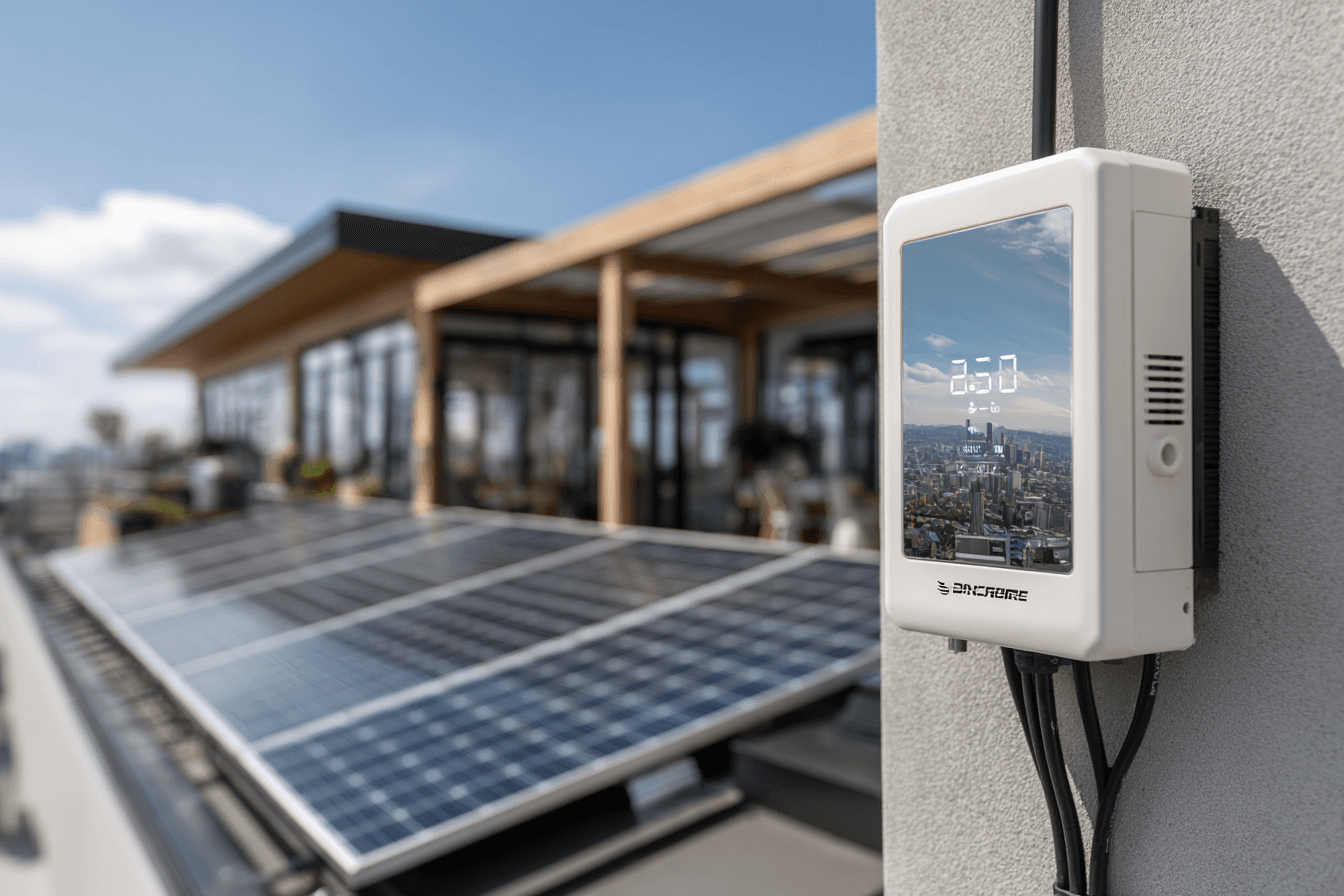
How home solar gets approved to connect to the grid in Canada, step by step, with the current rules for Ontario, BC, Alberta and Quebec.
The solar interconnection process is how your utility approves a home solar system to connect to the electricity grid. Once connected, the system can send surplus power to the grid in exchange for bill credits. The steps are similar across Canada: apply to your utility, install and inspect, then get the utility’s go-ahead. The credit rules and size limits are what differ by province.
A grid-tied system is connected to the same wires that serve your neighbours. The utility needs to confirm that your equipment will shut off safely during an outage, that the local grid can accept the power, and that your meter can measure electricity flowing both ways. Without that approval, you can’t legally export power or earn credits.
| Province | Program and utility | Key facts (as of September 2026) |
|---|---|---|
| Ontario | Net metering through your local distribution company (LDC) | Governed by O. Reg. 541/05; solar is an eligible renewable source; surplus earns bill credits; ESA inspects and authorizes the connection |
| British Columbia | BC Hydro self-generation | Replaced net metering for new customers on July 1, 2026; up to 100 kW AC; surplus credited at 10¢/kWh; apply before installing |
| Alberta | Micro-generation through your wire owner | Small micro-generation is under 150 kW; submit a micro-generation notice; small generators are credited monthly at their retail rate |
| Quebec | Hydro-Québec Net Metering Option I | Up to 1,000 kW (limited to your needs); surplus banked as kWh credits, with the bank reset every 24 months |
| Other provinces and territories | Local utility programs | Rules vary; see, for example, Nova Scotia’s solar energy page |
Programs change, so confirm the current rules with your utility before you sign a contract.
It depends on your utility, the size of the system, how busy the season is and whether a grid study is needed. Small residential systems are usually faster than larger ones. Ask your installer how long recent approvals have taken with your utility, and see our solar installation timeline for the full project.
Most delays in the solar interconnection process come from a few avoidable issues:
The solar interconnection process follows the same pattern across Canada: apply, install, inspect, then connect. What changes is how your utility credits your surplus power and how large a system it allows. Check the current program with your utility first. If you’re in Ontario, read our detailed guide to solar interconnection in Ontario.
It’s the utility’s approval process for connecting a home solar system to the grid, so it can safely send surplus electricity to the grid and receive credits.
It depends on the province. Ontario and Quebec offer net metering. BC Hydro replaced net metering for new customers with its self-generation rate on July 1, 2026. Alberta uses micro-generation rules.
No. Wait until the inspection is passed and your utility confirms you can operate. Switching on early is a safety risk and can jeopardize your connection approval.
Most heat pump installations need an electrical permit, and many need a mechanical (HVAC) permit...
A step-by-step guide to connecting home solar to the grid in Ontario: your local utility, ESA...

A step-by-step checklist of the permits, approvals and documents a Canadian home solar project...