
Solar Energy
Home Energy Upgrade Payback: Simple and Discounted Methods
Calculate home energy upgrade payback with a clear baseline, net annual benefit and simple...
4 min


From first quote to grid connection, here’s what each stage of a Canadian home solar project involves, what affects how long it takes, and how to avoid delays.
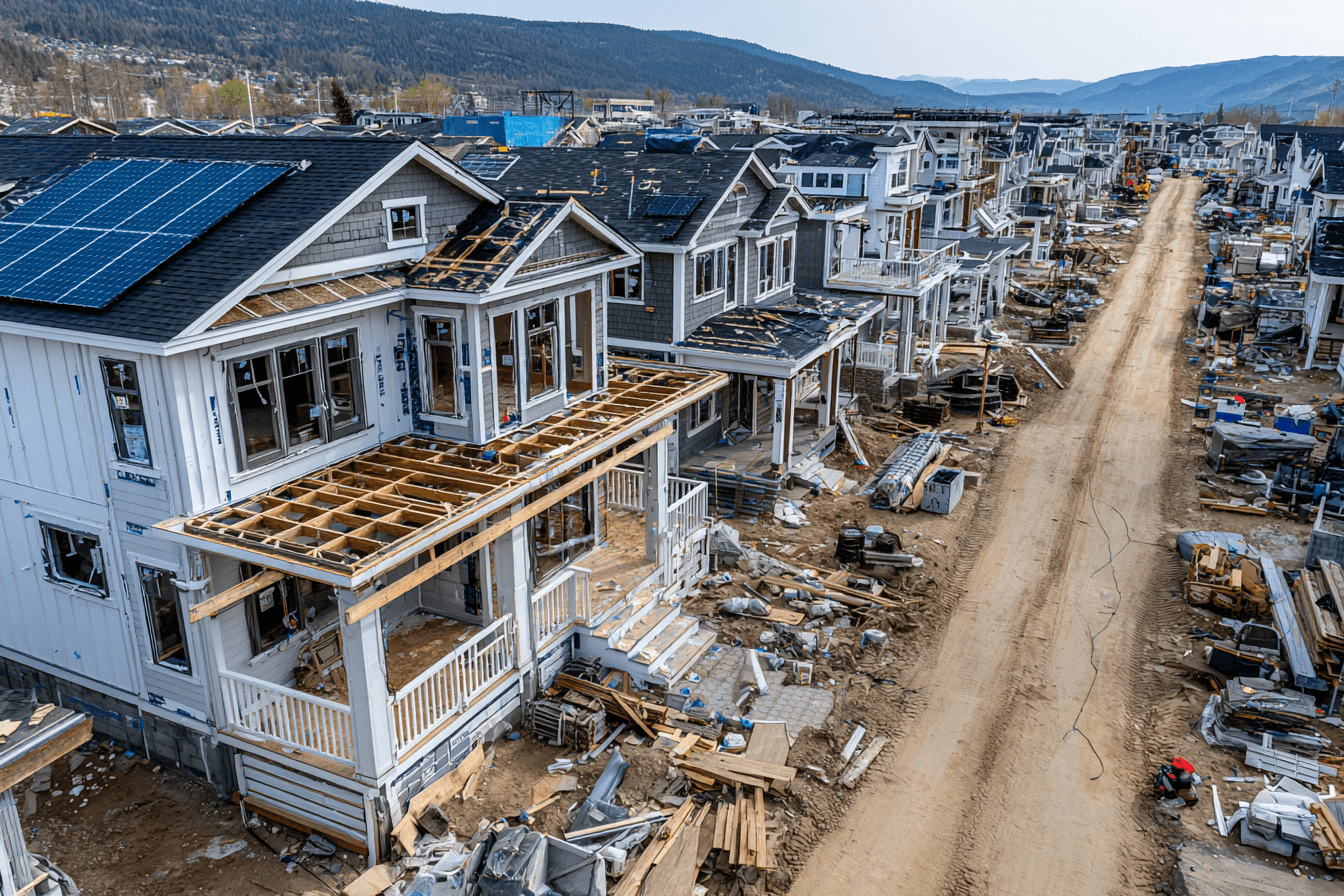
A typical solar installation timeline for a Canadian home runs from a few weeks to a few months from first quote to grid connection. The installation itself usually takes only a day or two. Most of the time goes into design, permits, utility approval, inspection and connection, and those depend on your municipality, your utility and the time of year.
These are planning ranges, not guarantees. Ask your installer how long recent projects in your area have taken.
| Stage | What happens | What affects how long it takes |
|---|---|---|
| 1. Quotes and site assessment | Installers review your roof, electricity use and shading | Installer availability; getting several quotes |
| 2. Design and contract | Final layout, equipment and price | Your decisions; roof or electrical upgrades |
| 3. Incentive pre-approval (if applicable) | Some programs require you to apply or get an energy evaluation first | Program rules and advisor availability |
| 4. Permits and utility approval | Building and electrical permits; utility connection application | Municipal and utility review times; season |
| 5. Equipment and scheduling | Ordering equipment and booking the crew | Stock levels; installer backlog; weather |
| 6. Installation | Racking, panels, inverter and wiring | Usually one to a few days for a home |
| 7. Inspection and connection | Electrical inspection, meter work, permission to operate | Inspection and utility scheduling |
| 8. Incentive claim (if applicable) | Submitting receipts and documents | Program processing times |
Get more than one quote and compare the same things: system size, expected production, equipment and warranties. Our guides to roof space for solar panels and the best roof direction for solar can help you judge a proposal.
If you plan to use an incentive, check its rules before you sign. Some programs require an application or an EnerGuide home evaluation before work begins. Find current programs in NRCan’s directory of provincial and territorial incentives.
This stage is often the longest. It can include:
See our solar permit checklist and the solar interconnection process in Canada.
Once approvals are in place, your installer orders equipment and books the crew. Installation is quick; most home systems take one to a few days. Rain, high winds, snow and ice can push installation dates, especially in late fall and winter.
After installation, the electrical inspection authority checks the work. In Ontario, the Electrical Safety Authority inspects the installation and authorizes the connection. The utility then installs or reprograms your meter and confirms you can operate. Until then, the system shouldn’t export power, and you won’t earn credits.
If you’re using an incentive, submit the final documents promptly: invoices, permits, inspection records and any post-installation evaluation the program requires. Processing times vary by program.
A realistic solar installation timeline is measured in weeks to months, not days, and most of that time is paperwork and approvals. Plan ahead, check incentive rules before signing, and work with an installer who knows your municipality and utility. If you’re adding a heat pump too, read our heat pump permit guide.
The installation itself usually takes one to a few days. The whole project, including design, permits, utility approval and connection, typically takes weeks to a few months.
Usually permits and utility approval, and sometimes inspection and connection scheduling. Busy seasons and incomplete applications make these stages longer.
Often yes, weather permitting. Snow and ice can delay roof work, but winter is a good time to finish design and permits so you’re ready for spring.
Calculate home energy upgrade payback with a clear baseline, net annual benefit and simple...

Assess Ottawa winter solar production with a monthly evidence sheet covering snow assumptions,...
Check net-zero building code claims against the locally applicable code, defined performance...