
Solar Energy
Home Energy Upgrade Payback: Simple and Discounted Methods
Calculate home energy upgrade payback with a clear baseline, net annual benefit and simple...
4 min

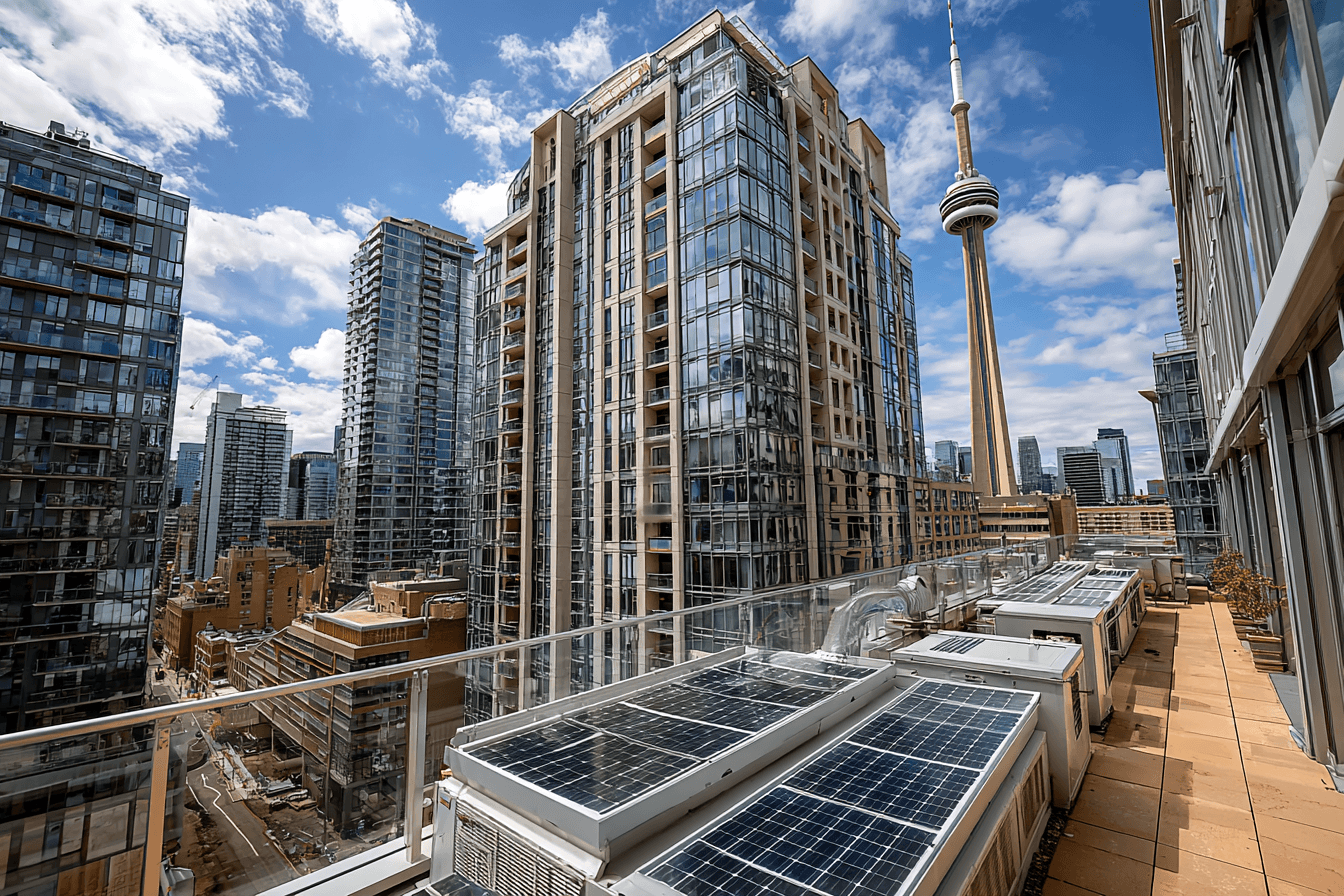
A step-by-step guide to connecting home solar to the grid in Ontario: your local utility, ESA inspection, building permits and net metering.
Solar interconnection in Ontario is the process of getting your home solar system approved to connect to the grid through your local distribution company (LDC), the utility that delivers your electricity, such as Hydro One, Toronto Hydro or Alectra. It involves three players: your LDC, the Electrical Safety Authority (ESA) and, for most rooftop systems, your municipal building department. Once you’re connected, Ontario’s net metering rules let you earn bill credits for the surplus power you send to the grid.
| Organization | Role in your solar project |
|---|---|
| Your local distribution company (LDC) | Reviews your connection application, sets technical conditions, installs or reprograms the meter and manages net metering credits |
| Electrical Safety Authority (ESA) | Receives the electrical notification of work, inspects the installation and issues a Connection Authorization to your LDC |
| Your municipality | Issues the building permit for rooftop arrays of 5 m² or more, and checks zoning or heritage rules |
| Your installer | Usually coordinates all of the above for you |
Each LDC has its own application forms and technical requirements. Your installer should confirm early whether the local grid can accept a new generator at your address, especially in neighbourhoods that already have a lot of solar.
Small residential systems usually follow a simpler process. Larger systems may need a connection impact assessment: a study of how the system will affect the local grid, which adds time and cost.
Your installer normally submits the application on your behalf, with the system size, a single-line electrical diagram and the equipment specifications. The LDC reviews it and approves the connection, sometimes with conditions. Our guide to solar approval documents explains each document.
In Ontario, a building permit is required for solar collectors mounted on a building with a face area of 5 m² or more, which covers almost every home rooftop array. The design and on-site review must be done by a professional engineer licensed in Ontario. See the City of Ottawa’s solar collector permit page and the City of Toronto’s solar collector guide.
Before electrical work starts, a notification of work, which is the permit, must be filed with ESA. This is usually done by a licensed electrical contractor. After installation, ESA inspects the work. When it passes, ESA issues a Connection Authorization to your LDC. The LDC won’t connect your system without it.
The LDC installs or reprograms a meter that records electricity in both directions and confirms your net metering arrangement. Ontario’s net metering rules are set out in O. Reg. 541/05. Under net metering:
In 2022, Ontario amended the regulation to clarify that third-party ownership arrangements, such as leased systems, can take part in net metering.
Timing depends on your LDC’s workload, whether a connection impact assessment is needed, building permit review times and inspection scheduling. Spring and summer are the busiest seasons. Ask your installer how long recent projects with your LDC have taken, and see our solar installation timeline.
Most delays in solar interconnection in Ontario come from a handful of avoidable issues:
Planning a larger project? Our page on commercial solar installation in Ontario covers the added steps. For how other provinces handle this, see the solar interconnection process in Canada.
Solar interconnection in Ontario runs through your LDC, ESA and, for most rooftop systems, a building permit. Choose an installer who works with your LDC regularly, keep copies of each approval, and wait for the LDC’s go-ahead before turning the system on.
Yes. A notification of work must be filed with ESA, and the installation must pass inspection. ESA then sends a Connection Authorization to your local utility.
Yes. Ontario’s net metering regulation lets eligible customers earn bill credits for surplus renewable electricity sent to the grid. Contact your local distribution company for its application process.
For rooftop solar collectors with a face area of 5 m² or more, yes, with an engineered design. That covers almost every home rooftop system.
Calculate home energy upgrade payback with a clear baseline, net annual benefit and simple...

Assess Ottawa winter solar production with a monthly evidence sheet covering snow assumptions,...

Check net-zero building code claims against the locally applicable code, defined performance...