Property Types
Portable Heat Pump Specification Check: Limits and Running Costs
Complete a portable heat pump specification check for heating method, operating limits,...
4 min


Compare heat pump options for renters by installation format, room coverage, operating limits and the notification or consent requirements that actually apply.
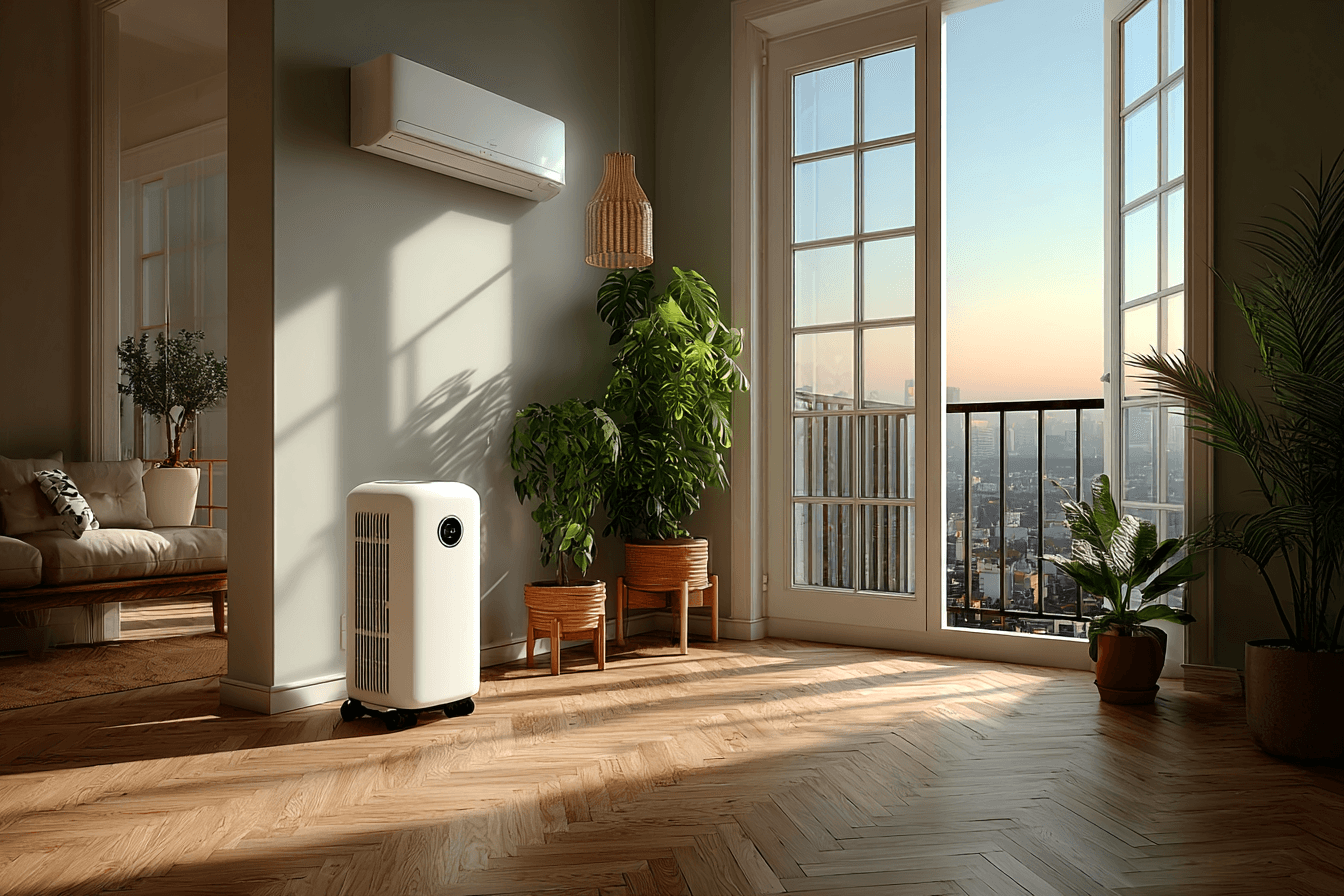
Heat pump options for renters in Canada should be compared by installation format, room coverage and operating limits before choosing a model. It is what can be installed safely and lawfully in the building, and which conditions the equipment is designed to handle. A product sold as an air conditioner with heating may not be a cold-climate heat pump.
| Option | Work and permission to investigate | Main limitation to verify |
|---|---|---|
| Floor-standing hose unit | Window kit, drainage and outlet | Heating method and operating range |
| Window-mounted equipment | Window fit, secure support and building approval | Outdoor temperature limits and egress |
| Through-wall system | Opening, weather sealing and electrical work | Usually a building alteration |
| Fixed split heat pump | Outdoor unit, piping, penetrations and commissioning | Professional design and owner approval |
Do not assume a cooling-only window air conditioner has a reversible heating mode because another model in its product family does. Likewise, a professionally installed mini-split does not become portable simply because it is marketed for small spaces.
Check exact model numbers, Canadian electrical approval, supply requirements, heating capacity, drainage and installation restrictions. For example, Whynter’s ARC-14SH product information and linked version-specific manual describe heating and installation conditions. They are an example of documents to inspect, rather than a recommendation or a Canadian winter rating. Ask the manufacturer to clarify any ambiguous temperature label before relying on it.
Ask the landlord or building manager about exterior appearance, noise, window safety, common property and any required approvals. Keep a written record. A floor unit may still need permission if its installation alters windows or affects building rules.
Use the tenant rules for your jurisdiction together with the applicable building and safety requirements. Do not assume every appliance needs the same form of landlord approval or that a portable label removes all obligations.
For example, Ontario’s current tenant-rights guidance describes a route for certain window or portable air conditioners involving written notification and safety conditions. That is an Ontario air-conditioning provision, not permission to alter a wall, install a split system or replace the building’s heating.
Who pays for electricity, maintenance and removal? Where will water drain? Can the unit be safely stored? What heats the dwelling when outdoor conditions fall outside the product's range? A room appliance should not leave other rooms or pipes unprotected.
If a fixed heat pump is the better solution, bring the owner a clearly scoped proposal and request professional assessment. Use current program rules to establish any funding route; a renter-friendly description does not mean the equipment qualifies for an incentive.
For each feasible option, record the room and intended season, exact equipment evidence, opening or wall requirements, outlet assessment, drainage, support and applicable notification or consent. Mark who owns the equipment and who restores the space when it is removed.
Ask what serves the other occupied rooms and what happens when conditions fall outside the product’s limits. A format that fits one window may still fail the actual comfort requirement. Conversely, a fixed system may be technically appropriate but require an owner-led project rather than a tenant appliance purchase.
Compare the full arrangement, including storage, service access, noise and installation disruption. If the necessary evidence is missing, request it before choosing on appearance or portability. Keep the final decision tied to the actual rental and equipment rather than a general “renter-friendly” claim.
Complete a portable heat pump specification check for heating method, operating limits,...
Review a tenant shared energy savings agreement with baseline, payment, shortfall and exit...

Prepare an energy-upgrade proposal to your landlord with a one-page evidence pack, a staged...