
Property Types
Tenant Shared Energy Savings Agreements: Define the Baseline and Risk
Review a tenant shared energy savings agreement with baseline, payment, shortfall and exit...
3 min

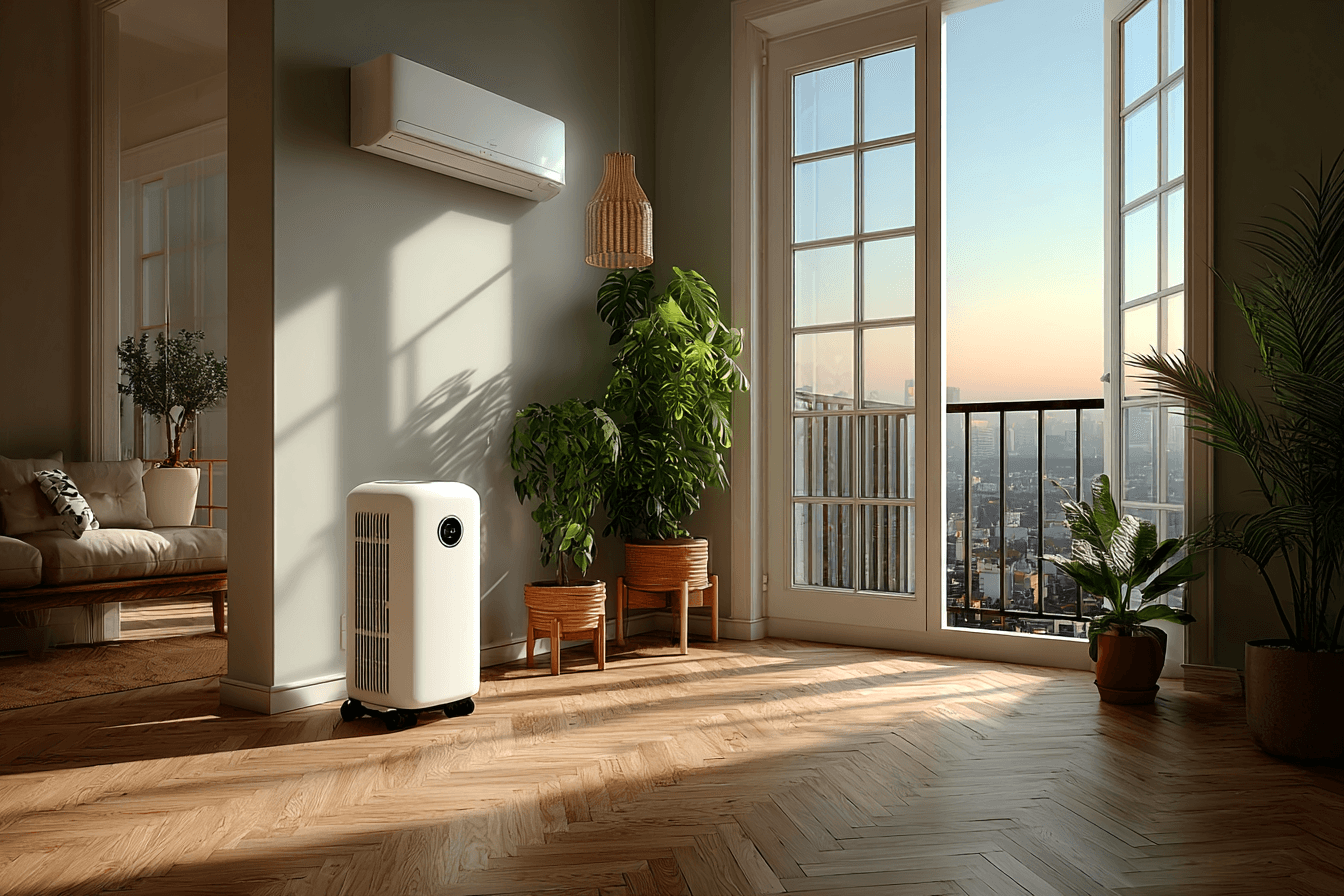
Complete a portable heat pump specification check for heating method, operating limits, electrical input and installation, then calculate a clearly bounded running cost.
A portable heat pump specification check helps a Canadian renter establish what a particular appliance can actually do. A portable air conditioner advertised with “heat” is not automatically a cold-climate heat pump. Some products provide resistance heating; others use a reversible refrigeration cycle with important operating limits. Read the exact Canadian model's manual before treating one as a replacement for your rental's installed heating.
A floor-standing unit may need hoses, a window kit and condensate handling. Moving it between rooms can require reinstalling that arrangement. A window or through-wall product needs suitable support and openings. “Plug in” describes the power connection, not permission to install it anywhere.
A manufacturer’s operating limits need to match the intended season and conditions. Whynter’s ARC-14SH product information, for example, links to a version-specific manual with heating, ventilation and electrical instructions. Identify the exact version and clarify whether a stated temperature concerns room, intake or outdoor conditions. A thermostat setting range is not an outdoor operating range.
Use one row for each specification: heating method, heating output at stated conditions, permitted operating range, electrical input in heating mode, ventilation arrangement, water handling and approved installation. Put the manual page or manufacturer’s written answer beside each entry. Leave a missing value unresolved rather than substituting a cooling rating.
Heating output and electrical input are different quantities. The advertised cooling capacity does not establish heating output or electricity use. Nor does an electrical approval mark establish comfort, efficiency or funding eligibility for your rental.
Suppose an invented appliance draws 1.0 kW for four hours at that input. It uses 1.0 × 4 = 4 kWh. At an assumed marginal electricity price of $0.15/kWh, that operation costs $0.60 before fixed charges or other excluded bill items.
This is arithmetic with hypothetical inputs, not an ARC-14SH performance result. Actual operation can cycle, change with conditions or occur alongside existing heating. Use measured energy where appropriate or supported mode-specific information, and compare the total household effect rather than assuming every appliance kWh replaces the same amount of existing heat cost.
Decide whether the aim is summer cooling, shoulder-season comfort in one room or winter primary heating. Those are different purchases. Check capacity under the conditions you will use, noise, condensate handling and the cost of operating the existing system alongside it.
Keep the installed heat available unless the landlord and qualified professionals have approved a replacement strategy. If a rental is inadequately heated, address that through the landlord and local housing process rather than relying on an unverified appliance claim. No product purchase guarantees rebate eligibility.
Before purchase, confirm window fit, support, permitted installation and who resolves an incompatibility. Review the seller’s actual return terms rather than assuming an installed or used appliance can be returned without cost.
Keep the specification record, receipt and manufacturer answers. If the product cannot document the required operating conditions, choose the next assessment step instead of treating a “heat” button as evidence of winter suitability.
Review a tenant shared energy savings agreement with baseline, payment, shortfall and exit...

Compare heat pump options for renters by installation format, room coverage, operating limits...

Prepare an energy-upgrade proposal to your landlord with a one-page evidence pack, a staged...