
Solar Energy
Home Energy Upgrade Payback: Simple and Discounted Methods
Calculate home energy upgrade payback with a clear baseline, net annual benefit and simple...
4 min

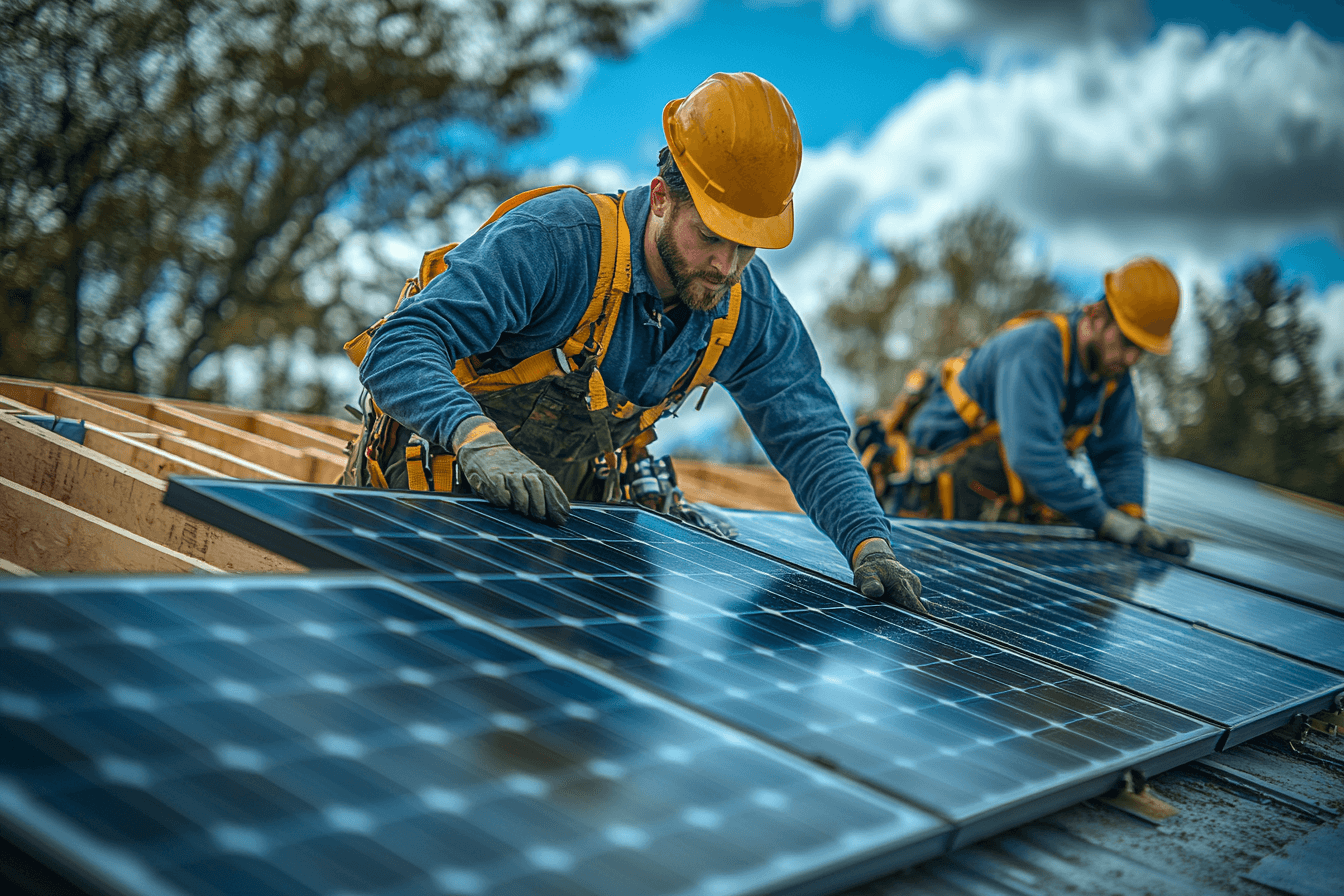
Prepare a solar-ready roof assessment with five questions about usable area, shade, condition, structure and approvals, plus an evidence checklist.
A solar-ready roof needs more than a sunny photograph or recent shingles. Canadian homeowners can prepare for the first assessment by organizing five questions: what area is usable, how much shade affects it, what condition it is in, which structural checks apply and what approvals are needed.
The aim is a useful information sheet for the project team. It does not certify the roof as ready, approve a layout or replace professional roof, structural and electrical assessment.
Ask for a measured roof layout showing the proposed modules, roof faces, obstructions and access areas required for the design. Note skylights, chimneys, vents, valleys and any area affected by future work.
Record whether the measurements are preliminary or site-verified. Total roof area is not the same as usable module area. Our roof-space guide covers the separate sizing calculation; this first assessment should identify which parts of the roof can be considered.
Ask how the assessment accounts for trees, neighbouring buildings and roof features at different seasons. One clear midday photograph cannot establish the whole annual shading pattern.
Describe any planned tree or building changes without assuming they will be approved or occur. Have the designer compare feasible roof faces using documented assumptions. The roof-direction guide supplies background without determining your site’s actual output.
Collect installation or repair dates, warranty documents and any existing reports. Tell the roofer about leaks or other concerns. Have a qualified person assess the covering, flashing, drainage and likely repair needs.
Age is information, not a universal pass-or-fail rule. Do not climb onto the roof or disturb materials to complete the sheet. CCOHS guidance explains why old-roof work needs a hazard assessment and appropriate professional inspection.
Ask which professional assesses the proposed loading, attachments and roof assembly under the applicable requirements. A sound-looking roof covering does not answer the structural question.
Request the responsible person’s scope and the documents the installer needs before finalizing the proposal. Do not assume the same attachment detail fits every metal, tile or shingle roof, or test an attachment yourself.
NRCan’s 2019 Photovoltaic Ready Guidelines discuss roof area, obstructions and preparation for future solar in new homes. They provide planning context, not current approval or a universal setback rule for an existing roof.
Ask the installer to identify municipal, property, electrical and utility requirements. Heritage restrictions or shared ownership may introduce a separate review. A roof assessment and permission to connect generation are different parts of the project.
Keep any incentive assessment separate. A roof that is technically suitable does not by itself establish program eligibility, and an incentive estimate does not authorize installation.
| Question | Bring or request |
|---|---|
| Available area | Existing plans and a measured proposed layout. |
| Shade | Known surroundings and the designer’s annual assessment assumptions. |
| Condition | Repair history and a qualified roof assessment. |
| Structure | Identified reviewer and mounting/load evidence required. |
| Permissions | Property restrictions and the relevant authority/utility questions. |
For each row, mark what is known, what needs assessment and who obtains the answer. Photograph only from a safe, accessible location and let qualified providers gather roof-level evidence.
Use the first visit to turn missing information into a concrete next action. If roof replacement timing is the main issue, request a separate comparison of roofing before solar versus later removal and reinstatement; that decision goes beyond this initial screening checklist.
Calculate home energy upgrade payback with a clear baseline, net annual benefit and simple...

Assess Ottawa winter solar production with a monthly evidence sheet covering snow assumptions,...

Check net-zero building code claims against the locally applicable code, defined performance...