
Incentives & Rebates
National Heat Pump Rebate: Eligibility & Income Limits
National Heat Pump Rebate rules published Nov 1, 2026: $2,000 or up to $10,000, income limits by...
8 min

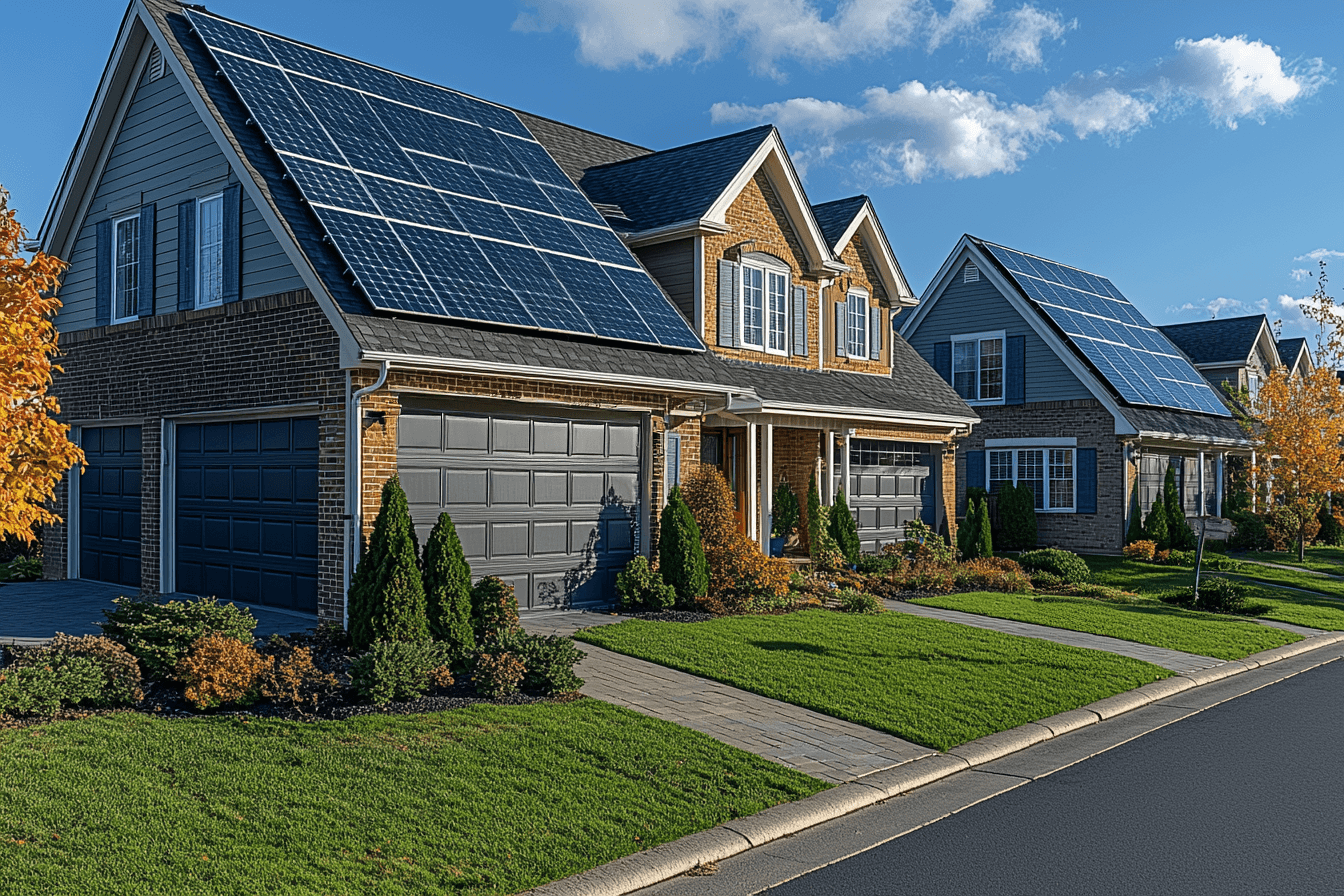
Map solar approval responsibilities across property permission, municipal review, electrical work, utility connection and funding so one decision is not mistaken for another.
Solar approval responsibilities should be mapped before a Canadian homeowner orders equipment. Property permission, municipal requirements, electrical acceptance, utility connection and incentive decisions answer different questions. A funding estimate or approval cannot establish that every other part of the project is authorized.
Create a responsibility record for the actual address and proposed design. The table below identifies questions to resolve, rather than a national list of required permits or exemptions.
| Decision area | Question to resolve | Evidence to retain |
|---|---|---|
| Property or shared ownership | Who can authorize use or alteration of the roof, land and common areas? | Applicable owner, condo, strata or other written permission. |
| Municipal or building review | Which building, planning, structural or heritage requirements apply? | Required decision, approved information or documented clarification. |
| Electrical work | Who may perform the work, and what notification or inspection is required? | Contractor responsibilities and applicable acceptance records. |
| Utility connection | Can the proposed configuration connect and operate as intended? | Connection conditions, metering and operating permission. |
| Funding | Does the defined applicant and project meet the selected stream’s conditions? | Applicable terms, approval and later claim decision. |
Write the actual organization and responsible submitting party beside each row. If no separate approval is required for a particular item, retain the basis for that conclusion rather than leaving a blank that looks forgotten.
Give the relevant parties the same equipment, capacity, site and intended operating arrangement. A rooftop array, ground mount and solar carport can raise different design questions. A different inverter or added storage can also change the information previously reviewed.
Ask the qualified team to assess the structure and electrical design. Do not infer a nationwide permit exemption from a neighbour’s installation or a single system-size threshold.
ESA’s Ontario guidance index includes inverter-based generation resources. Its microgeneration guide explains separate electrical inspection and distributor steps; that historical guide is a process example, not a substitute for current code or the requirements at every Canadian address.
For the broader connection sequence, see the utility interconnection guide. Confirm the actual distributor and operating requirements rather than assuming the retailer’s logo identifies every relevant authority.
Home Renovation Savings solar guidance, for example, distinguishes program pre-approval from the relevant local distributor’s approval before purchase or installation. That is one stream’s sequence, not a rule for every incentive.
Record any required energy evaluation, equipment condition or claim evidence separately. A technically acceptable installation can still fail a funding condition, while a preliminary funding decision does not approve the roof or connection.
For each row, record the required input, submission owner, fee, expected next action and decision that must occur before another step. Ask who checks whether a design change needs resubmission and what happens to the contract if an approval is refused.
Do not assume applications can always proceed in parallel or that one provider handles every authority. Put the agreed responsibilities and unresolved dependencies in the written scope.
Collect the final decisions, accepted design information and required operating permission. Check that the installed system matches the approved configuration and that open conditions have named owners.
Solenery’s personalized rebate discovery remains within premium access. This responsibility map helps you follow the decisions for one project without promising a national rules directory or treating a paid invoice as proof of every approval.
National Heat Pump Rebate rules published Nov 1, 2026: $2,000 or up to $10,000, income limits by...

Build an energy rebate eligibility evidence file that separates confirmed property, applicant...
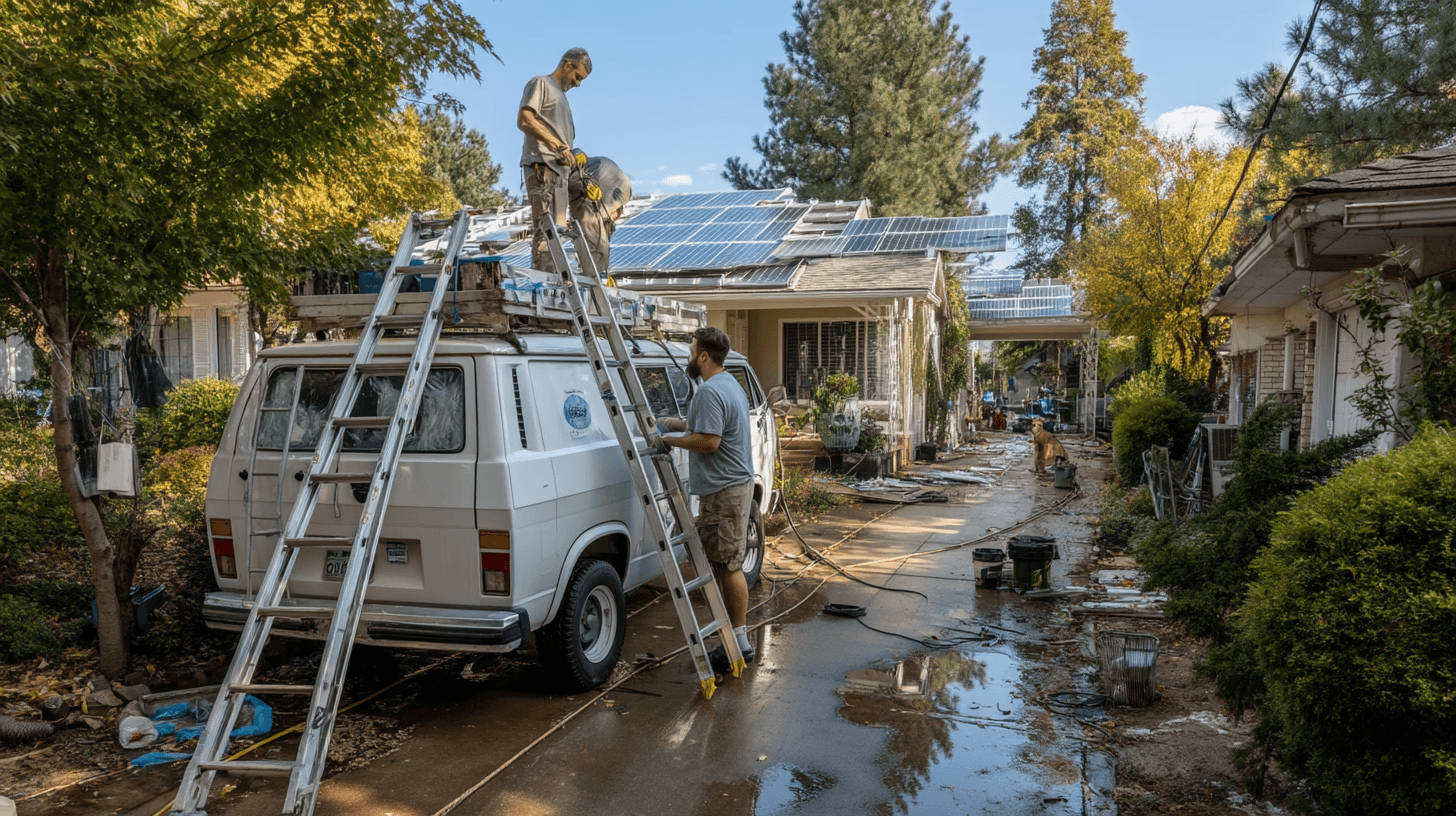
Complete seven checks before signing for a rebate-funded solar or heat pump project, focusing on...