
Solar Energy
Ottawa Builder Solar Partner Scorecard: Capability, Roles and Aftercare
Compare Ottawa solar partners with a builder scorecard for verified roles, comparable work,...
4 min

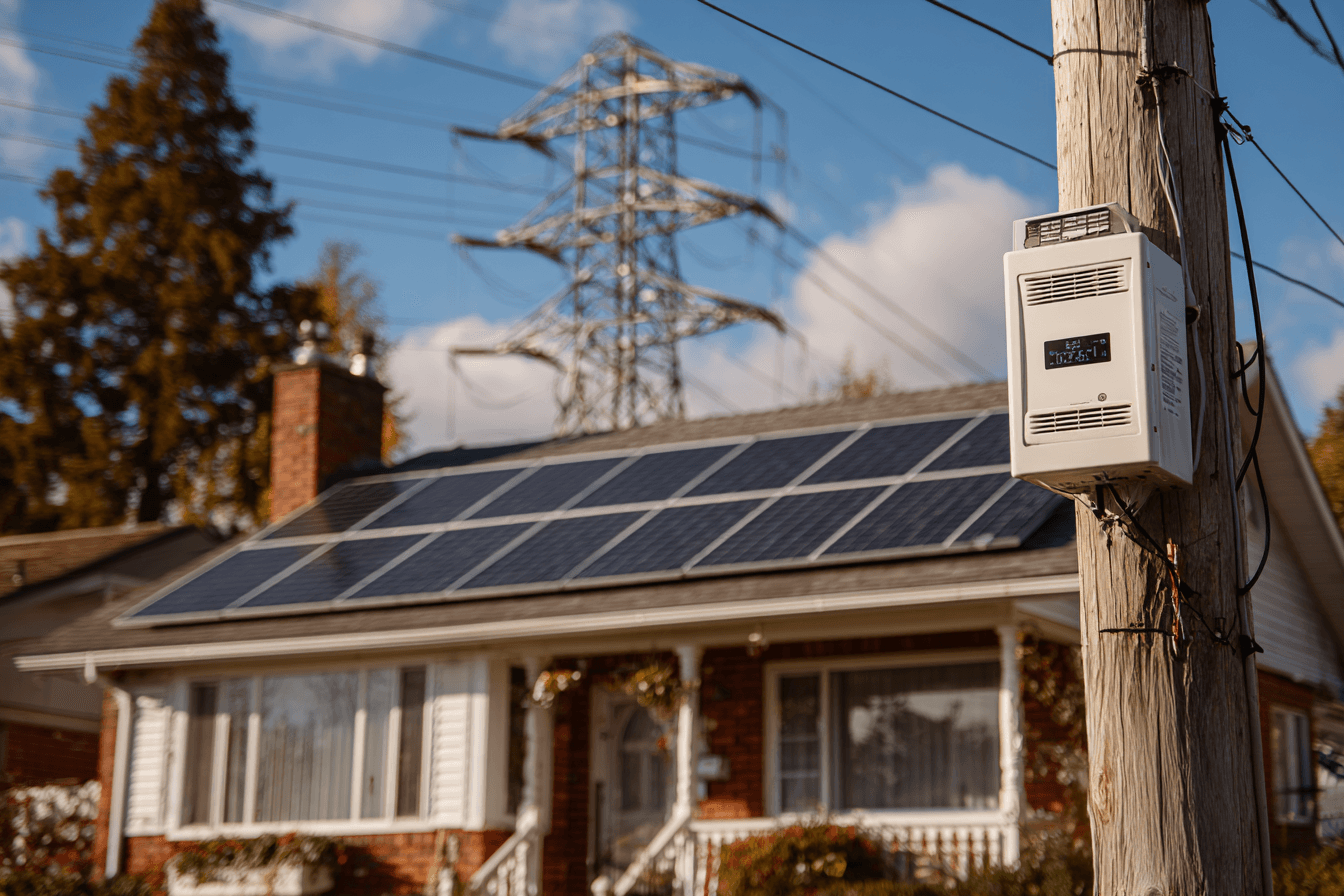
Build an Ottawa builder solar budget with separate design allowances, scope packages, contingency, decision owners and evidence needed before pricing is fixed.
An Ottawa builder solar budget should show design-stage scope, provisional allowances and the decisions needed to firm them up. A useful solar budget describes the complete project. A price per panel or per watt can obscure roof work, electrical changes, engineering and connection requirements. Builders and architects should establish a common scope before comparing quotations or describing returns to clients.
Ask bidders to identify modules and inverters, mounting, installation labour, structural work, electrical work, design, approvals, utility charges and commissioning. List roof repairs and any removal or reinstatement obligations separately. Identify taxes and the treatment of allowances.
Some costs depend on investigations that are not complete. Show these as provisional amounts with an owner and a decision date rather than hiding them in a single fixed-price claim.
For Hydro Ottawa properties, the utility’s DER connection process helps identify responsibilities and work affecting the schedule and budget. Check the actual distributor for the site. Hydro Ottawa process.
A lower price may reflect different equipment, mounting, monitoring, warranty responsibility or exclusions. Compare generation estimates using the same roof layout, shade assumptions and loss treatment. Installed capacity is not annual energy production, and neither is the same as bill savings.
Ask how the quote changes if engineering, utility review or roof investigation changes the design. Require written approval for substitutions that affect the agreed scope.
The following amounts are fictional planning inputs, not Ottawa market prices, supplier quotations or a recommended contingency. Use actual professional estimates as the design develops.
| Package | Illustrative allowance | Evidence needed to firm the amount |
|---|---|---|
| PV equipment and planned installation | $22,000 | Coordinated layout, equipment schedule and comparable bids. |
| Structural and roof-interface work | $3,000 | Relevant investigation and agreed design scope. |
| Electrical and service-interface work | $2,500 | Electrical design and confirmed building/service conditions. |
| Design, approvals and connection allowance | $2,500 | Professional fees, authority requirements and utility quotation. |
| Subtotal | $30,000 | Check that no bidder has already included another package. |
| Separate contingency | $3,000 | Project-specific risk review and release authority. |
| Planning total before tax | $33,000 | Taxes, financing and other excluded costs assessed separately. |
Show what each allowance includes and excludes. A roof repair already included in the main construction contract should not appear again as an incremental solar cost. A contingency is not permission to omit a known scope item.
Beside every provisional line, record the assumption, who will confirm it, required information and the point when a decision affects construction. For example, a structural allowance depends on the engineer’s assessment and the agreed mounting design; a utility allowance depends on the actual connection requirements.
If the layout changes, identify which packages need repricing and retain the earlier estimate version. Ask whether a substitution changes access, roof warranty, electrical design or service support before accepting its apparent equipment saving.
Generation, electricity use on site and bill value require their own documented assumptions. A design-stage capital allowance does not establish annual savings or a return. Explain those distinctions to the client before any operating estimate is used to justify a larger construction commitment.
The Greener Homes Grant is closed; remove it from new-project budgets. NRCan notice. Assess current funding separately and avoid adding benefits without checking interactions.
Solenery’s premium property flow provides personalized rebate discovery and address-based matching. Use the resulting review alongside qualified design and financial advice; it cannot convert an incomplete scope into a reliable fixed budget.
At each design review, issue the revised worksheet with resolved amounts, remaining allowances and approved changes. The useful output is a traceable budget for this building, with a clear path from preliminary allowance to contracted scope.
Compare Ottawa solar partners with a builder scorecard for verified roles, comparable work,...

Prepare a solar-ready home documentation pack with as-built drawings, structural assumptions,...

Evaluate solar in an Ottawa architectural brief with a decision sheet covering roof integration,...