

Skip to content
Solar billing, explained

How solar net metering works in Canada

Solar net metering credits electricity you export to the grid against eligible electricity charges. It does not necessarily pay cash or erase the whole bill. Your utility’s tariff determines the export price, credit expiry and remaining charges. Here is how the billing works, with Ontario and BC Hydro examples and a worked bill.

Private & secure • No spam • Free assessment

Start with your address. Property-specific rebate discovery and matching results require premium access.

  • Utility rules and credit limits
  • A worked electricity bill
  • Official sources, checked October 21, 2026
Installer working on rooftop solar panels
Credits depend on your tariffCheck import and export prices separately
Ontario credit carry-forward, up to
12 months
BC Hydro new self-generation export credit
10¢/kWh
can remain payable
Fixed charges
illustrative bill subtotal, before tax
$84.96

How do solar export credits work?

Quick answer

Your solar system first serves loads operating at the same time. Surplus goes to the grid and earns credits under your utility’s tariff. You import electricity when demand exceeds generation; export credits reduce eligible charges, rather than necessarily paying cash or erasing the whole bill.

  • Generation is not the same as exports

    Solar used directly in your property does not pass through the export register. Ask for separate forecasts of generation, self-consumption, imports and exports.
  • The tariff determines the value

    Net metering can credit exports at the import energy rate. Net billing can use a different export price. Check the actual tariff rather than relying on the program name.
  • Credits can have limits

    Carry-forward periods, annual settlement and the charges that credits can offset differ by utility. Fixed charges can remain payable.
  • Location matters

    Confirm your electricity distributor and connection capacity. A rule for BC Hydro does not apply to every utility in British Columbia.
What should I confirm before connecting?

Quick answer

Get your distributor’s approval and understand the tariff before committing to a system. Ontario’s official guidance says not to buy or install equipment, or sign a contract, until your distributor approves the project.

Ask your distributor

  • Tariff and export priceWhich rate applies to a new connection, and can it change?
  • Expiry and settlementWhat carries forward, what expires, and how is an unused balance treated?
  • Connection conditionsConfirm grid capacity, metering, studies and any upgrade costs.

Ask your installer

  • Separate the energy flowsCheck annual generation, self-consumption, imports and exports in the forecast.
  • Identify every approvalAgree who obtains connection permission, permits and inspections.
  • Clarify outage operationNormal grid-tied solar does not automatically provide backup power. Ask about approved storage and isolation controls.

Read Ontario’s official connection guidance and confirm the requirements with your own distributor.

Two utility examples: Ontario and BC Hydro

Selected rules show why the tariff matters. Ontario allows credits to carry forward for up to 12 months; BC Hydro’s new self-generation service uses a fixed export price. Confirm your own utility’s credit expiry, settlement and connection conditions.

Source: each utility or regulator page (linked) · as of Oct 15, 2026. Terms change with rate cases, so confirm with your utility before you size a system.
Province and utilityHow exports are creditedSystem size
British Columbia: BC HydroExports earn a fixed credit of 10¢ per kWh, applied to the current bill and good only against energy charges. The older net metering schedule (1289) is closed to new customers100 kW AC inverter capacity
Ontario: Your local distribution companyExports earn a credit that carries forward to later bills for up to 12 months. Credits offset energy used, not fixed monthly chargesSet by your local distributor and what the local grid can host

Worked bill: imports and exports are separate

Illustrative BC Hydro energy-charge calculation: 30 days, 800 kWh imported, 200 kWh exported, no starting credit and no time-of-day adjustment. This is an example, not a full bill or generation forecast.

BC Hydro tiered electricity rates and self-generation rules, checked October 21, 2026. Taxes and other adjustments excluded.
StepCalculationAmount
Tier 1 threshold30 × 22.1918 kWh665.754 kWh
Import energy665.754 × $0.1187 + 134.246 × $0.1408$97.93
Export credit200 × $0.10−$20.00
Energy after credit$97.93 − $20.00$77.93
Basic charge30 × $0.2344$7.03
Illustrative subtotalEnergy after credit + basic charge$84.96

The tier threshold depends on billing days; “675 kWh per month” is only an approximation. You cannot replace this calculation with (800 − 200) × the import price because import and export prices differ. Credits in this example offset energy charges; the basic charge remains.

The electricity rate behind the example

The shared tariff record provides context for the worked bill. Confirm the current rate and billing period with your utility before using it in a project forecast.

Source: each utility's rate page (linked) · as of Oct 5, 2026. Prices change on set dates, so confirm the current rate on your bill.
Utility and rateEnergy priceDaily chargeValid for
BC Hydro, tiered rate11.87¢/kWh up to about 675 kWh a month (22.1918 kWh a day), then 14.08¢/kWh23.44¢ a dayPrice on BC Hydro's page, Oct 5, 2026

Net-metering questions, answered

Answers checked against government and official program pages.

Not necessarily. Credits apply only to eligible charges under the tariff. Basic or fixed charges, taxes and other adjustments can remain, even when exported electricity earns credits.

It depends on the utility. Ontario’s guidance allows credits to carry forward for up to 12 months. Other utilities have their own expiry, reset or settlement rules. Confirm those terms before sizing a system.

No. The old schedule is closed to new customers. The new self-generation schedule uses a fixed 10¢/kWh export credit; existing customers can have transition rules. Check which schedule applies to your connection.

Not automatically. Exports can earn less than electricity used on site, credits can expire, and local connection limits can apply. Compare the design against your own usage and the applicable tariff.

No. Export credits affect ongoing electricity billing. Rebates and other incentives have separate eligibility and application rules. Use the rebate-matching service for property-specific program discovery and combinations.

Plan solar for your property

Start with your address in the existing Solenery advisor flow, or read how the rebate-matching service works before you begin.

Property-specific rebate discovery and matching results require premium access.

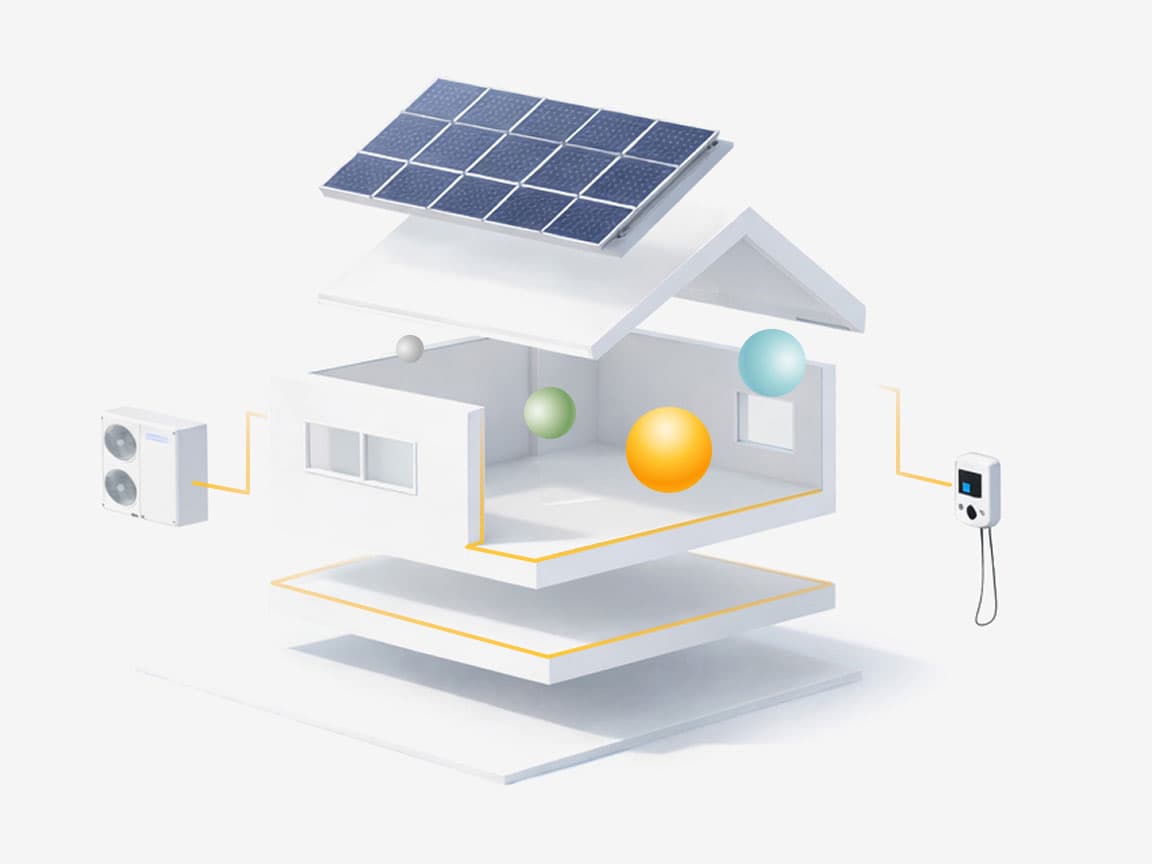
Cutaway illustration of a home with a heat pump and solar panels

By Solenery · How rebate matching works. Program approval and electricity connection are separate decisions.

How We Research This Page

Last updated: .

Every rebate amount, status and deadline on this page was read on the program's official page and is dated next to it. We re-check each program monthly, because amounts and deadlines change often. Always confirm with the program before you apply.

Facts and figures come from government departments, utilities and safety regulators, linked next to each figure and listed here. We don't publish price ranges: costs depend on your home, so we explain what drives them and let contractors quote.

Solenery is a marketplace. It connects homeowners with contractors and doesn't install anything itself.