
Net Zero
Clean Energy Technology Readiness Matrix for Canadian Providers
Evaluate five clean energy innovation areas with a readiness matrix covering application...
4 min

Net-zero planning mistakes often arise when a household commits to one upgrade without checking its assumptions or effects on the next. Canadian homeowners can use this diagnostic to identify an incomplete plan before equipment is ordered or a broad performance claim is accepted.
The seven checks concern failures in the plan, not a universal project sequence. They do not certify the home, determine equipment size or replace qualified assessment.
Symptom: the proposal names products but does not explain the comfort, condition or energy-use question they address. Check: compare the scope with room observations, records and appropriate assessments.
Corrective action: write the problem and evidence needed before selecting the solution. A cold room can require investigation of distribution or the envelope rather than an assumption that more equipment is the answer.
Symptom: a plan ignores the fuel currently providing heat or assumes last year’s electricity use describes a future electrified home. Check: list all energy sources and committed changes.
Corrective action: have the relevant designers use a consistent future-demand basis. Switching from fuel heating changes the energy mix; it should not be presented simply as a reduction in electricity consumption.
Symptom: heating equipment is chosen from floor area or the old unit even though envelope work is planned. Check: ask which load and distribution assessment supports the proposal.
Corrective action: tell the HVAC designer what work is committed and when. The heat-pump sizing guide provides the separate questions for that design conversation.
Symptom: air sealing or insulation is specified without considering the rest of the building. Check: ask which ventilation, moisture or other relevant safety questions require review.
Corrective action: have the project team assess those relationships. NRCan’s house-as-a-system guidance explains why a change to one component can affect another. Do not cover an unresolved condition simply to complete an upgrade.
Symptom: separate upgrade savings are added as though each acts on the unchanged original house, or the same solar exports appear twice. Check: trace each claimed benefit to its baseline and units.
Corrective action: request a combined or staged model with the assumptions visible. Keep electricity generation, energy-cost reduction and emissions estimates separate rather than treating them as interchangeable measures.
Symptom: the budget works only after an unapproved incentive, while roof or electrical work remains unpriced. Check: separate the gross scope, provisional costs and actual funding evidence.
Corrective action: assign the missing assessments and confirm the selected program’s current process. A loan is repayable financing, not a discount. Solenery’s personalized rebate discovery and address matching remain in the premium property flow and do not replace an administrator’s decision.
Symptom: there is no clear commissioning record, operating instruction, service route or basis for the claimed result. Check: ask what was verified and which records remain outstanding.
Corrective action: identify the completion evidence and arrange an appropriate review of comfort and operation. A rendering, equipment list or model does not by itself establish measured net-zero performance.
For each issue, note the assumption, supporting evidence, person responsible and decision affected. Update the relevant scope before other contractors rely on an obsolete version.
The solar record guide is one task-specific companion. Use this diagnostic to test the coherence of the overall plan, while keeping each specialist assessment and required decision with the appropriate party.
Evaluate five clean energy innovation areas with a readiness matrix covering application...
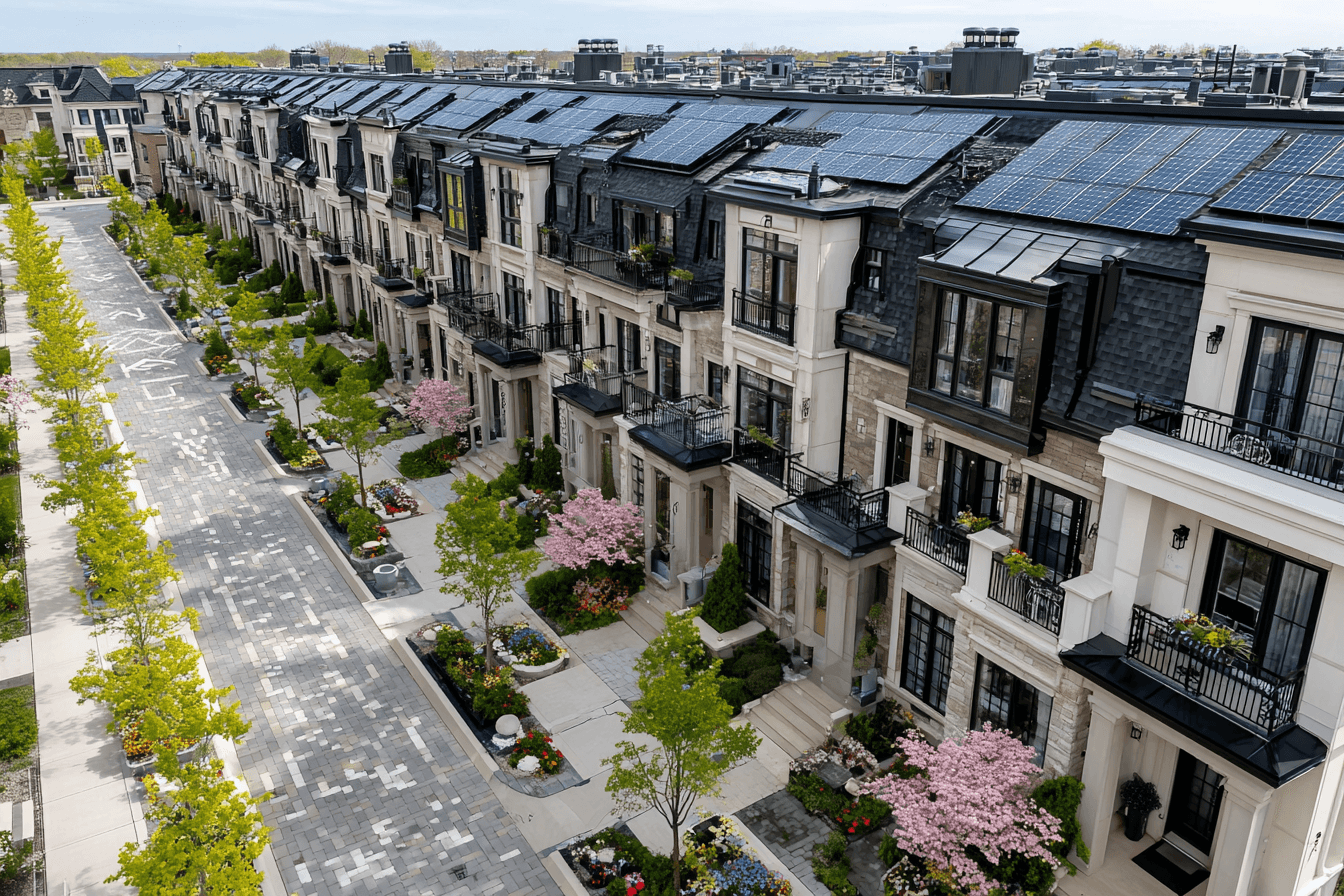
Read Berczy Glen geoexchange planning as a documented shared-infrastructure case, with questions...
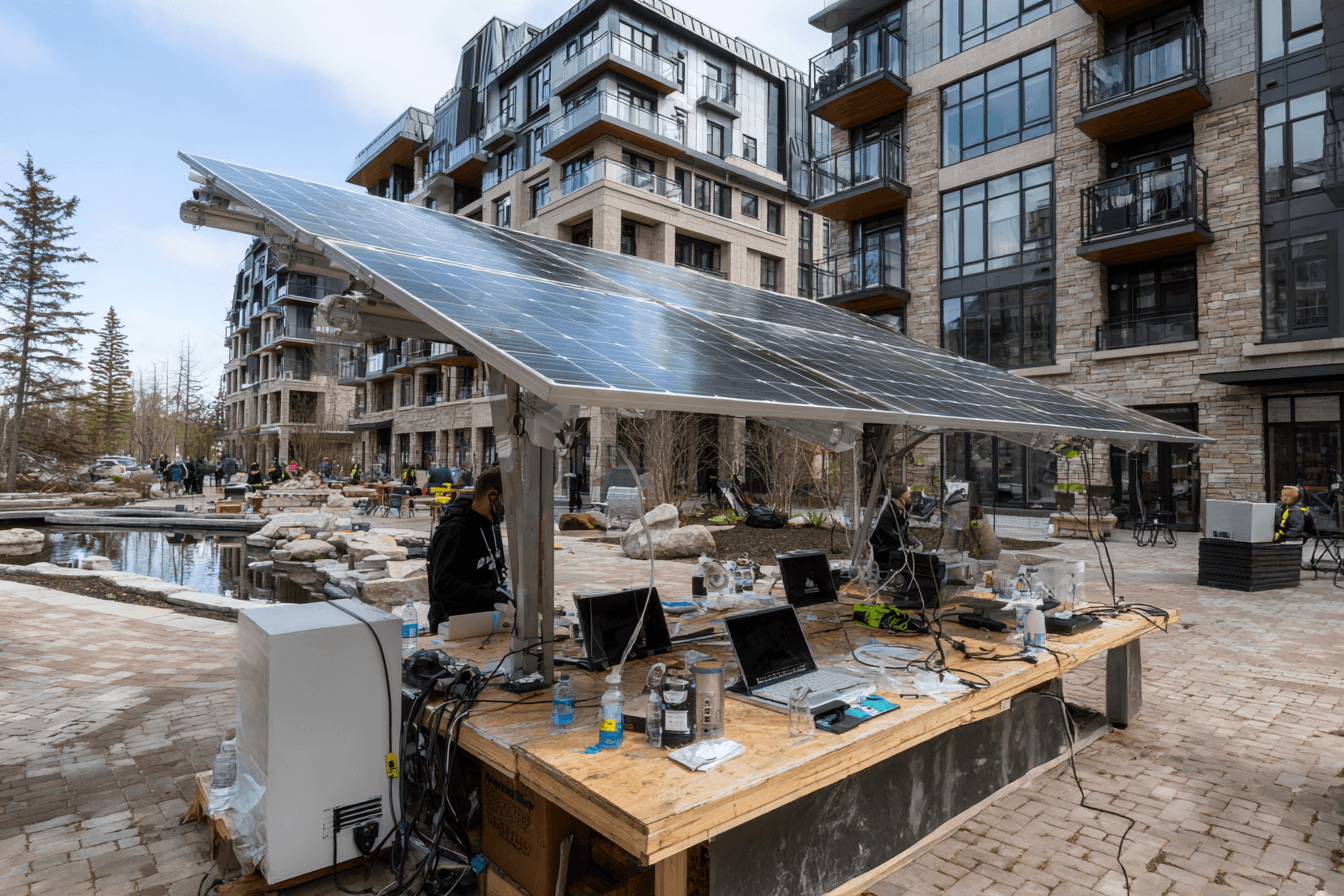
Choose an NGO partner for community energy with a due-diligence record covering community need,...