
Solar Energy
Home Energy Upgrade Payback: Simple and Discounted Methods
Calculate home energy upgrade payback with a clear baseline, net annual benefit and simple...
4 min

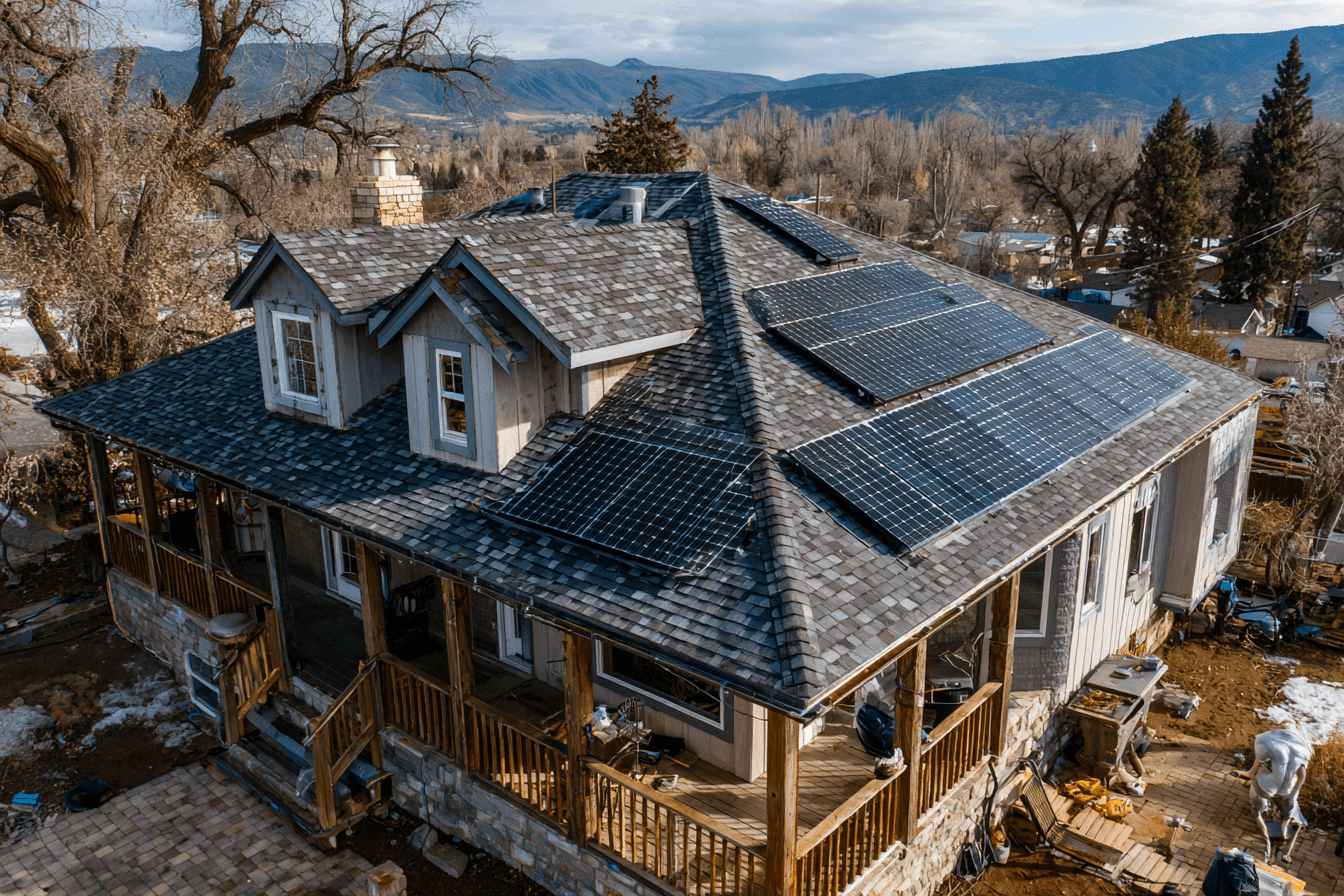
Assess solar on an older roof by comparing roofing before installation with later panel removal, reinstatement, service and warranty responsibilities.
Solar on an older roof requires a condition-based timing decision. Canadian homeowners should have the roof assessed, then compare doing necessary work before solar with installing now and dealing with the array during later repairs. Roof age alone cannot determine the right schedule.
This worksheet focuses on coordination and costs across those two schedules. It does not assess your roof remotely, prescribe a replacement age or promise that roof work qualifies for an energy incentive.
Ask a qualified roofer about the covering, flashing, drainage, signs of leakage and foreseeable work. Provide available installation and repair records. Ask the solar designer which structural and mounting assessment is needed for the actual proposal.
A roof covering can look sound while another design question remains unresolved. CCOHS’s roofing guidance calls for assessing an old roof and potential hazards before work. Do not walk the roof, probe materials or disturb suspect substances to investigate on your own.
Define the roofing work, its expected completion and the evidence the solar installer needs before starting. Ask the two contractors to coordinate attachment details, roof warranties, penetrations and access.
Keep the roof and solar scopes identifiable even if one business coordinates both. Who protects the building between phases? Who documents the completed roof? Who handles a leak concern after panels are installed? A combined headline price should not hide those responsibilities.
Request an assessment of whether installing now is appropriate for the actual roof condition. If it is considered feasible, ask how later work would proceed and which costs remain uncertain.
Include removal authorization, qualified labour, access, storage, protection, reinstallation, electrical checks and recommissioning. Ask how equipment availability or a change of installer would be handled. Do not assume the later work costs only the price of lifting and replacing panels.
| Decision item | Roof first | Solar first |
|---|---|---|
| Roof assessment | Defines work before the array. | Must support the decision to proceed now. |
| Disruption | Coordinate sequential works today. | Plan a later solar interruption alongside roof work. |
| Additional solar handling | Confirm the planned installation scope. | Price or identify uncertainty in removal, storage and reinstatement. |
| Weather protection | Name the responsible roofing/solar parties at handoff. | Name the parties through removal and roofing. |
| Warranty and records | Confirm compatible roof and mounting details. | Check how later work affects applicable equipment and installation terms. |
Fill the table with actual quotes and qualified findings. Do not add undiscounted future allowances to today’s prices and call that a complete investment comparison without stating the timing assumptions.
Imagine a hypothetical homeowner whose roof assessment identifies work that should be addressed before the proposed mounting. The useful next step is a coordinated roofing and solar scope, not a calculation promising savings from ignoring that finding.
For another roof assessed as suitable for continued use, the question may instead be how future maintenance access is preserved and funded. These are illustrative decision paths, not diagnoses based on a roof being ten or twenty years old.
Our roof-space guide addresses a separate constraint: whether the feasible layout fits. Enough space does not resolve the condition or timing questions.
Keep the assessment, selected schedule, exclusions, agreed details and responsibility for later work together. Confirm which contractor supplies completion records and how a dispute about the roof/solar interface is investigated.
The permit overview provides context for approval questions to confirm locally. Technical work, roof condition and incentive eligibility remain separate; a funding estimate does not settle any of them.
Choose between schedules using the assessed condition and complete responsibilities. The result should explain what happens to the roof and array throughout the work, rather than rely on a universal replacement age.
Calculate home energy upgrade payback with a clear baseline, net annual benefit and simple...

Assess Ottawa winter solar production with a monthly evidence sheet covering snow assumptions,...

Check net-zero building code claims against the locally applicable code, defined performance...