Heat Pumps
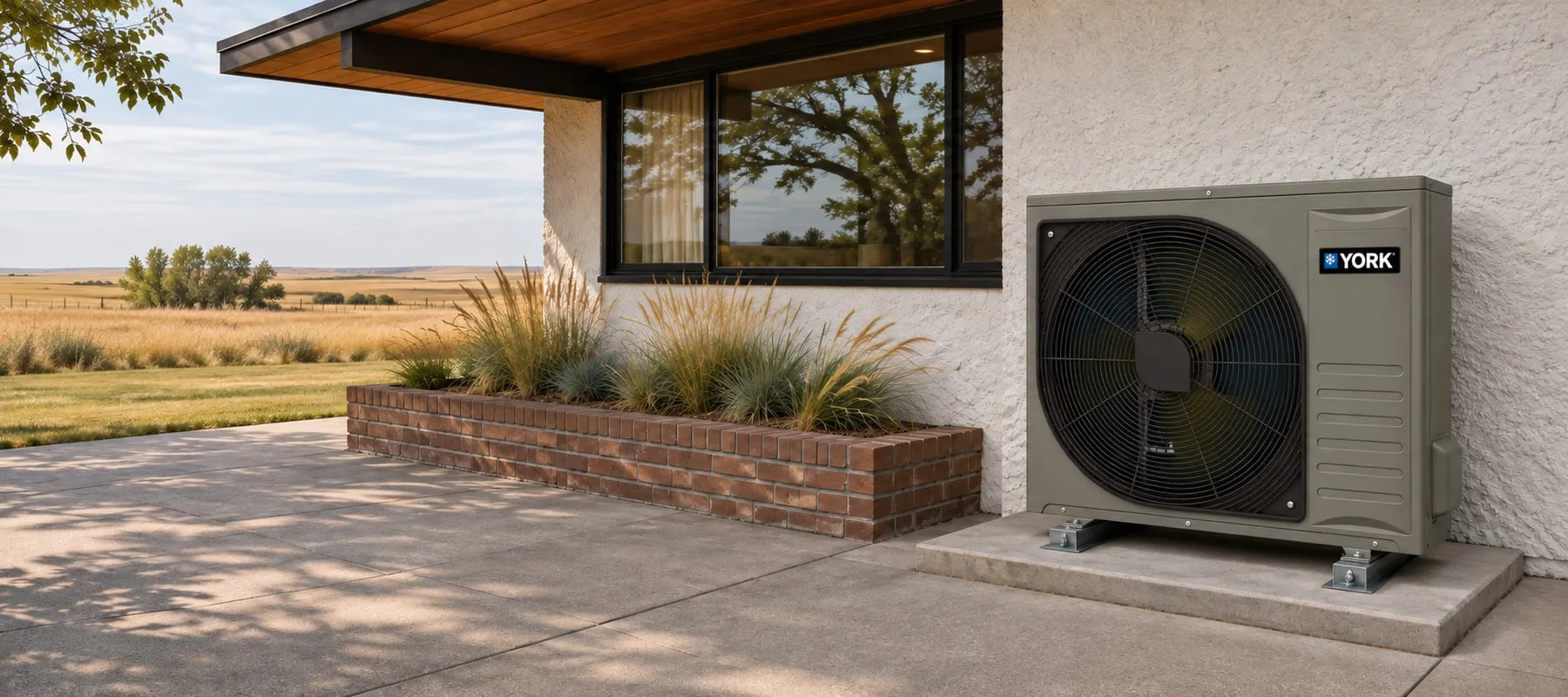
York HH8 and Affinity Heat Pump Review
A licensed brand now under Bosch that shares platforms with Coleman and Luxaire. What a Quebec...
5 min


Before you remove a furnace after heat pump installation, document heating coverage, backup, electrical scope, remaining fuel appliances and commissioning.
Whether you can remove a furnace after heat pump installation depends on the complete heating design for your Canadian home. Confirm capacity, room coverage, backup, electrical work and commissioning before authorizing removal. A heat pump that runs in cold weather has not necessarily replaced every function of the furnace.
Explore heat-pump rebates you may qualify for through a property assessment.
Explore heat-pump rebatesThe decision here is which equipment can be retired and when. For the broader technology and cost comparison, see the heat-pump versus furnace guide.
An all-electric system may use a heat pump with resistance backup. A dual-fuel system retains combustion equipment and coordinates the heat sources. Some designs may meet the design heating load without supplemental equipment, but that conclusion needs documented support.
Ask the contractor to name the proposed arrangement and show what heats the house when the heat pump cannot supply the required output. “Replacing the furnace” should describe a complete system, rather than only the removal of a box.
Request the building heating-load calculation, local design condition and performance tables for the exact indoor/outdoor combination. Ask how the design handles relevant cold-weather conditions and what capacity remains available to each part of the house.
NRCan’s sizing guide links equipment selection, controls and backup capacity. Its method supports a design discussion; it does not approve a particular furnace-removal project.
With a central system, identify which air-moving and distribution functions the furnace previously supplied and what replaces them. Existing ducts need assessment for the proposed airflow. With ductless equipment, require a room-coverage explanation for closed bedrooms and separate floors before removing their previous heat source.
Have qualified providers assess the electrical demand of the full proposed system, including supplemental heat. Record any required work and approvals in the quote. Do not infer service capacity from the outdoor unit’s advertised power draw alone.
Ask how the controls coordinate heat sources, how the owner recognizes backup operation and which settings require professional adjustment. A retained furnace does not automatically provide outage heat: its controls and blower commonly need electricity too. Any outage-resilience proposal requires its own supported design.
List other fuel appliances, such as water heating, cooking or a fireplace. Removing the furnace does not retire those appliances or necessarily eliminate the fuel account and its fixed charges.
Ask qualified providers and the utility, where applicable, to identify the decommissioning steps, responsibilities and charges. Fuel piping, venting and electrical alterations belong in the professional scope. Do not disconnect or cap services yourself to test whether they are still needed.
| Decision item | Evidence to retain |
|---|---|
| Heating adequacy | Load assessment, matched-system capacity and backup plan. |
| Room coverage | Distribution design and treatment of rooms losing their old heat source. |
| Installation readiness | Electrical scope, approvals and agreed work sequence. |
| Fuel retirement | Remaining appliances, provider responsibilities and account implications. |
| Acceptance | Commissioning record, control instructions and service contact. |
Mark each item confirmed, unresolved or not applicable, with the responsible party and supporting document. An unresolved item needs an answer before the removal scope is finalized.
For funding, ECCC’s November 1 program rules allow retroactive claims for eligible installations from November 1, 2026, with applications opening in early 2027. A furnace conversion can qualify: natural gas, oil, propane and electric heating are all covered, and the rebate doesn’t require removing the furnace or showing it failed. The system must be on NRCan’s eligible product list and able to heat the whole home. The program notes that switching from gas may not lower heating bills, so compare running costs with your local rates. You pay the full replacement cost first and funding is confirmed only on approval, so keep the gross cost visible. Read our National Heat Pump Rebate guide.
Ask how the household remains heated during the transition, who coordinates trades and which checks establish that the new system is ready. Do not assume every project can keep both systems operating during commissioning; the contractor must explain the actual sequence and contingency.
Review the operating-cost model with the final system scope, including backup and retained fixed charges. Keep avoided furnace replacement and added cooling benefits visible without counting the same benefit twice. The practical endpoint is a written decision that explains what can be removed, what remains and how comfort and service are maintained afterward.
A licensed brand now under Bosch that shares platforms with Coleman and Luxaire. What a Quebec...
A Whisperline heat pump is part of a building loop, so replacing one is a building decision....
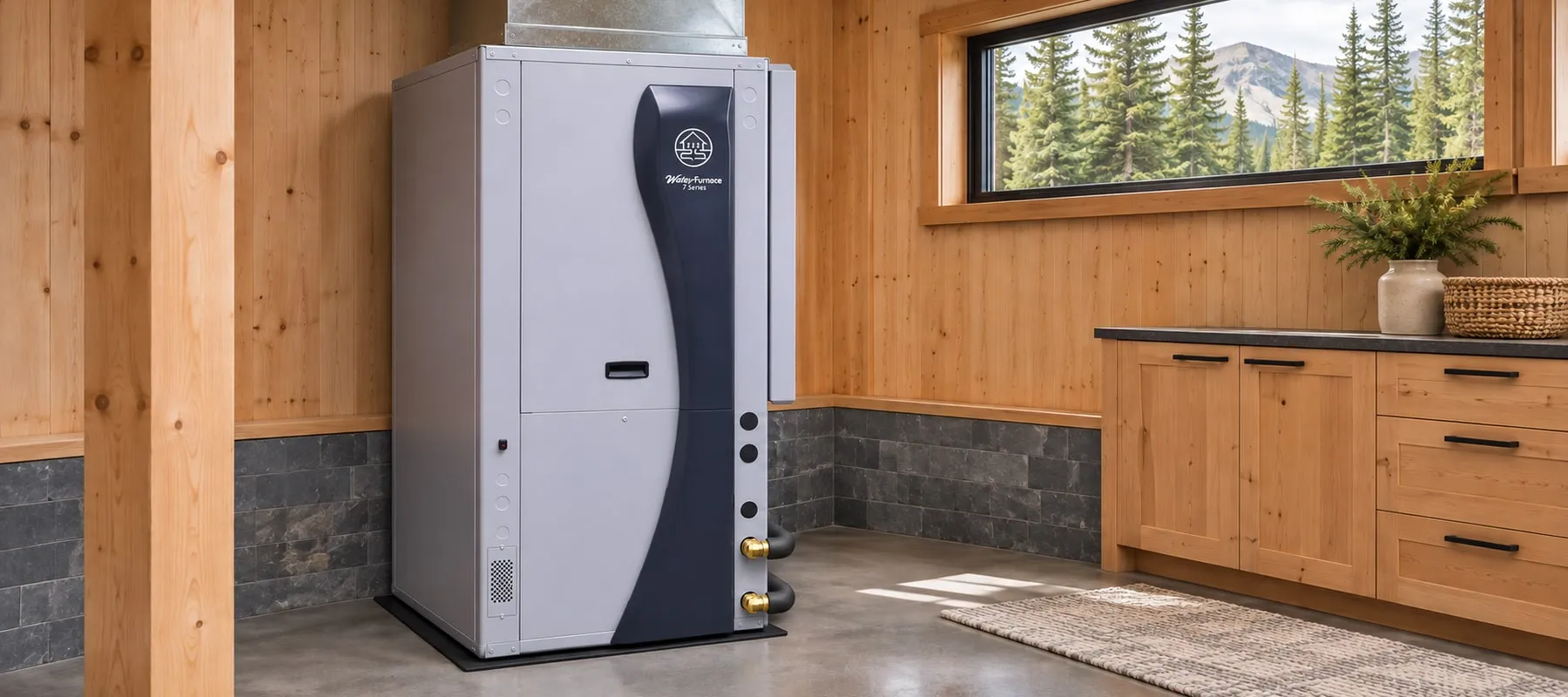
A ground-source brand where the buried loop matters as much as the unit. What WaterFurnace...