
Consumer Guide
Suspected Solar Fraud: Verify the Offer and Organize Your Response
Respond to suspected solar fraud by verifying the company independently, organizing evidence and...
4 min


Spot seven solar sales red flags and turn vague promises about funding, price, output, equipment and approvals into written evidence.
Solar sales red flags are reasons for Canadian homeowners to pause and ask for evidence. They are not proof that a salesperson or business is fraudulent. Before signing, turn each important promise into a statement you can verify independently and compare with the written proposal.
The Canadian Anti-Fraud Centre warns about misleading home-service and equipment offers, including offers promoted through social media, telephone calls and door-to-door contact. Its practical advice is to research the company before sharing information or entering a contract.
Ask what “free” means. A loan with no immediate payment, a lease and an electricity-purchase agreement have different ongoing obligations. A grant claim also needs its own official source and applicable conditions.
Request the gross project price, agreement type, equipment owner, payment schedule and end-of-term arrangements. For example, “nothing today” does not tell you whether monthly payments rise later or what happens when the house is sold. Do not compare that phrase with a cash quote as if both describe the same purchase.
A genuine program or supplier offer may have a deadline, but you should be able to identify its source. Ask for the program name, administrator, published deadline and conditions, or the supplier’s dated written offer.
Separate an installer scheduling preference from a funding requirement. “Our crew is nearby this week” and “your application must be approved before work” describe different issues. If the salesperson will not allow time to check a material claim, pause the decision.
A logo, badge or reference to a public program does not establish that the seller represents its administrator. Ask for the contracting company’s legal identity and the exact relationship being claimed.
Confirm that relationship through independently obtained official contact details. Do not rely only on the phone number or link supplied in the advertisement. A contractor can help with paperwork without being a government agent or having authority to approve funding.
Ask for module and inverter model numbers, quantities, warranty documents and the roof layout. A brand name alone does not identify the equipment you are agreeing to buy.
Request a substitution process: what happens if the quoted model is unavailable, who approves the replacement and how differences in output, dimensions or warranty are assessed? A verbal promise that anything supplied will be “equivalent” is difficult to evaluate without those details.
Request the annual generation estimate and the assumptions about self-consumption, exported electricity, rates and charges that remain. Also ask whether the estimate includes planned changes such as a heat pump or EV.
Solar capacity and annual production are different quantities. The kWp explanation helps you compare the equipment rating with the estimated kWh. A simple claim that the array “covers your usage” does not explain hourly imports or the value of exports under your utility’s arrangement.
Have the proposal identify who handles municipal requirements, electrical work and utility connection review. Ask what must happen before installation and operation, which fees are included and what occurs if the design changes.
For a wider overview, read the solar permit guide. Verify the actual requirements for your project; a funding application or paid invoice is not itself permission to connect equipment.
Compare the sales discussion with the final scope, exclusions, payment milestones and service commitments. If a roof repair, monitoring service or performance assurance influenced the decision, ask where it appears in the agreement and who provides it.
Use a short claim log: write the promise, the supporting document, the party responsible and any unresolved question. For example, a promised roof repair needs a defined area and standard of work, rather than the phrase “roof included.” Obtain appropriate independent advice on terms you do not understand.
Keep the same equipment and project scope visible when requesting a second quote. Record an unresolved answer as a question, not an assumed saving or included service. Verify professional credentials through the relevant authority; our contractor credentials guide identifies questions to take to that check.
If the evidence remains incomplete, the useful next step is to clarify it before committing. This checklist focuses on the sales conversation; a suspected-fraud response requires separate reporting and financial-protection steps through official channels.
Respond to suspected solar fraud by verifying the company independently, organizing evidence and...
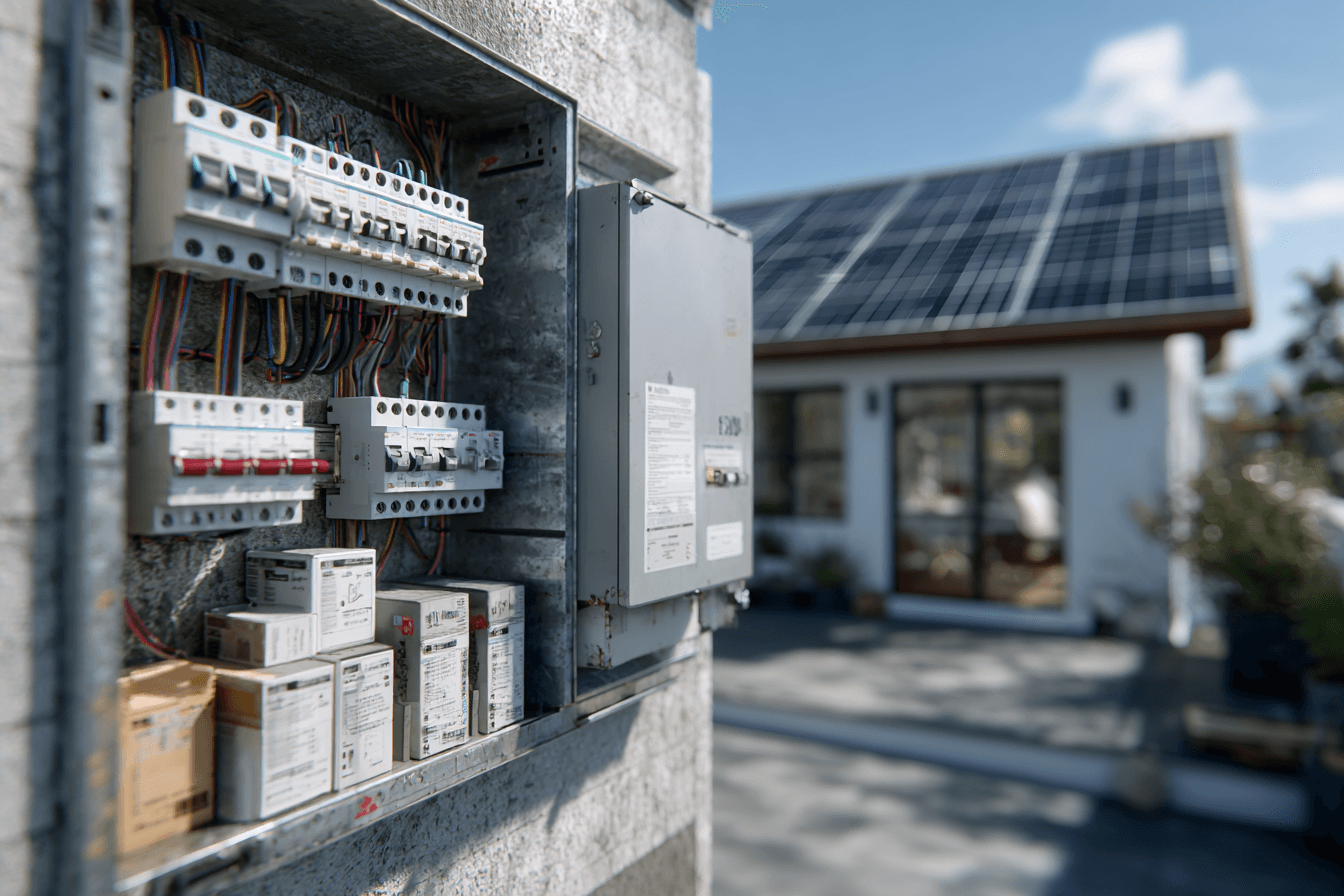
Track solar and heat-pump quote changes with an uncertainty register, assessment questions and a...
Which licences, trade certificates and insurance your solar or heat pump contractor should have...