
Solar Energy
Home Energy Upgrade Payback: Simple and Discounted Methods
Calculate home energy upgrade payback with a clear baseline, net annual benefit and simple...
4 min

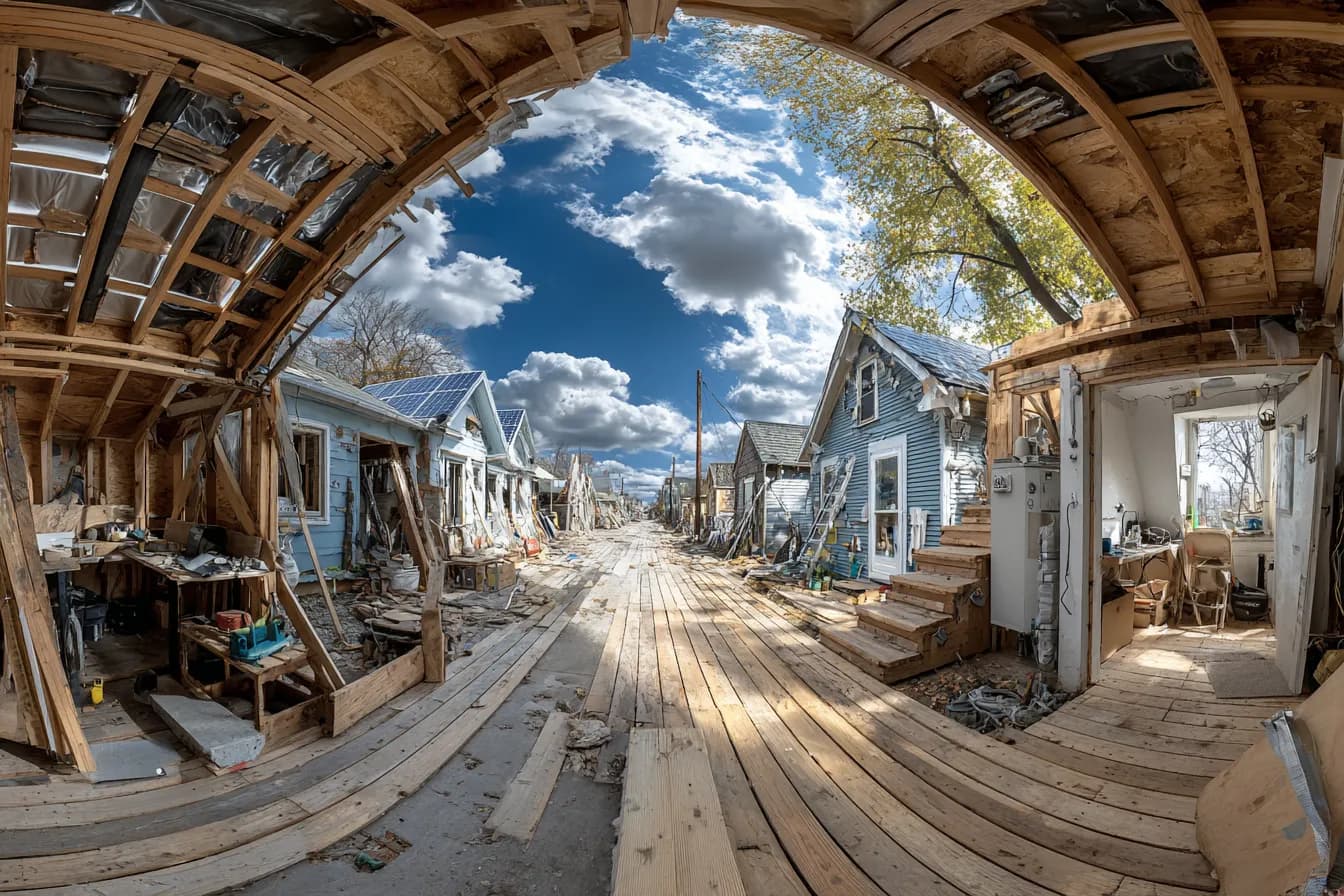
Plan a home energy upgrade sequence around dependencies, shared access and contractor handoffs while allowing for urgent repairs and changing loads.
A home energy upgrade sequence should follow dependencies, equipment condition and the work already planned for your Canadian home. Homeowners need a coordinated set of handoffs between trades, rather than a universal rule to complete every project in one prescribed order.
This guide begins after the baseline information is collected. Its practical output is a dependency schedule showing which decisions or records another contractor needs before proceeding.
Ask appropriate professionals to assess urgent faults or building concerns. A failed heating system or active roof problem may change the schedule; do not delay a necessary response simply to preserve an ideal retrofit order.
Then identify planned openings and shared work: roof replacement, siding, interior renovation, cable routes or equipment access. Ask whether coordinating scopes could avoid later removal or disturbance. Coordination does not mean every optional upgrade must be purchased together.
NRCan explains that a house operates as a system. Changing air leakage, insulation or another component can affect conditions elsewhere. Have the project team address ventilation, moisture and any relevant combustion-safety questions as part of the plan.
Tell the HVAC designer which envelope changes are committed and when they occur. Ask how the heating design serves the transition and the planned final building. Do not assume the old equipment size remains the correct reference after substantial changes.
| Earlier task or decision | Information to hand over | Later decision it informs |
|---|---|---|
| Building/roof assessment | Condition findings, required repairs and feasible timing. | Solar layout and installation scope. |
| Envelope/ventilation planning | Committed measures, relevant findings and completion assumptions. | Heating-load and distribution design. |
| Heating/vehicle plans | Equipment proposals, timing and expected electrical needs. | Qualified electrical review and future consumption model. |
| Electrical and site review | Feasible connection arrangement and required work. | Coordinated solar, HVAC and charging scope. |
| Completed work | Final settings, records and unresolved items. | Commissioning, owner handover and later phases. |
Assign a sender, recipient and expected record to each handoff. Mark assumptions that remain provisional. The table is a planning framework, not a national approval sequence.
Consider a fictional homeowner planning siding work and later heating replacement. The first conversation may identify an opportunity to assess the wall assembly and ventilation while access is available. The HVAC designer then needs the committed scope before finalizing the replacement design.
This does not establish that exterior insulation is suitable or that the homeowner must delay heating. It shows the information dependency and the reason for involving the relevant professionals before separate quotes become fixed commitments.
Include planned heating, water heating and vehicle charging in the qualified electrical assessment. For solar, use a demand estimate consistent with the projects actually expected, rather than assuming last year’s electricity use remains unchanged.
The heating sizing guide addresses a specific design task. The solar roof-space guide addresses another constraint. Linking the tasks does not replace either assessment.
Record approvals, equipment orders, payments and the evidence needed before each commitment. Check any selected incentive’s timing separately; do not assume all projects need the same evaluation or application order.
Solenery’s personalized rebate discovery and address matching remain premium features in the existing property flow. A matching result cannot decide the technical sequence or guarantee a payment date.
If roof findings, equipment or budget changes, notify the contractors whose work depends on the old assumption. Retain the revised scope and reasons rather than allowing each trade to work from a different version.
Finish with the next handoff and its owner. A useful sequence explains why tasks occur when they do and what information keeps later work aligned with the actual home.
Calculate home energy upgrade payback with a clear baseline, net annual benefit and simple...

Assess Ottawa winter solar production with a monthly evidence sheet covering snow assumptions,...

Check net-zero building code claims against the locally applicable code, defined performance...