

Marketing
B2B Marketing Channels for Clean Energy Providers: Winning Commercial Contracts in Canada
How Canadian solar, heat pump and retrofit providers can use outbound, events, referrals and...
5 min

Good B2B marketing case studies show clean energy vendors which tactics win commercial work, and how to repeat them. Below are four playbooks built around the tactics that most often move Canadian commercial clean energy deals: targeted LinkedIn outreach, structured referrals, educational webinars and automated nurture. Each is an illustrative scenario, not a client result. It sets out the situation, the setup, the metrics to track and the compliance points, so you can run it and create your own case study with real numbers.
Illustrative scenario. A residential solar installer in Ontario wants to break into commercial rooftops at logistics facilities and schools.
Setup:
Metrics to track: acceptance rate, reply rate, meetings booked, proposals, wins and average deal size.
Compliance: email and messaging follow-ups are commercial electronic messages under CASL. You need consent (express, or implied, for example through conspicuous publication relevant to the recipient’s role), identification and an unsubscribe mechanism. See getting consent to send email.
Illustrative scenario. A commercial HVAC and heat pump contractor in Alberta relies on informal word of mouth, and wants predictable commercial referrals.
Setup:
Metrics to track: referrals per partner, conversion rate, average project value, and referral cost as a share of gross margin.
Compliance: CASL allows one message sent on a referral without the recipient’s consent, if the referrer has an existing relationship with both parties and the message names the referrer. After that, you need consent. See our referral partner program guide.
Illustrative scenario. A BC solar contractor gets steady website traffic from developers and property managers, but few commercial inquiries.
Setup:
Metrics to track: registrations, attendance rate, follow-up meetings, proposals and wins.
Compliance: keep savings and emissions claims specific and supported. Under the Competition Act, certain environmental claims must be based on adequate and proper testing or substantiation. See the Competition Bureau’s greenwashing guidance for businesses.
Illustrative scenario. A Manitoba retrofit firm collects commercial contacts at events, but deals stall during long approval cycles.
Setup:
Metrics to track: email engagement, time from first contact to proposal, conversion rate and sales cycle length.
Compliance: honour unsubscribe requests within 10 business days and keep records of how consent was obtained.
Strong B2B marketing case studies also show buyers you understand funding. Link to official sources rather than paraphrasing amounts that may change, for example:
The most useful B2B marketing case studies are the ones you can repeat and verify, and your own B2B marketing case studies will carry more weight than any template. Use these four playbooks (outbound, referrals, webinars and nurture) to generate results, measure them honestly, and publish real case studies with client permission. For choosing where to invest, see B2B marketing channels for clean energy.
A real project, published with the client’s permission, that clearly states the challenge, the approach and verifiable results, including the time period and how savings were measured.
Yes, if they’re accurate and supported. The Competition Act requires certain environmental claims to be based on adequate and proper testing or substantiation, so document your data and method.
At least one full sales cycle, so you can report meetings, proposals and closed projects rather than early activity metrics.
How Canadian solar, heat pump and retrofit providers can use outbound, events, referrals and...
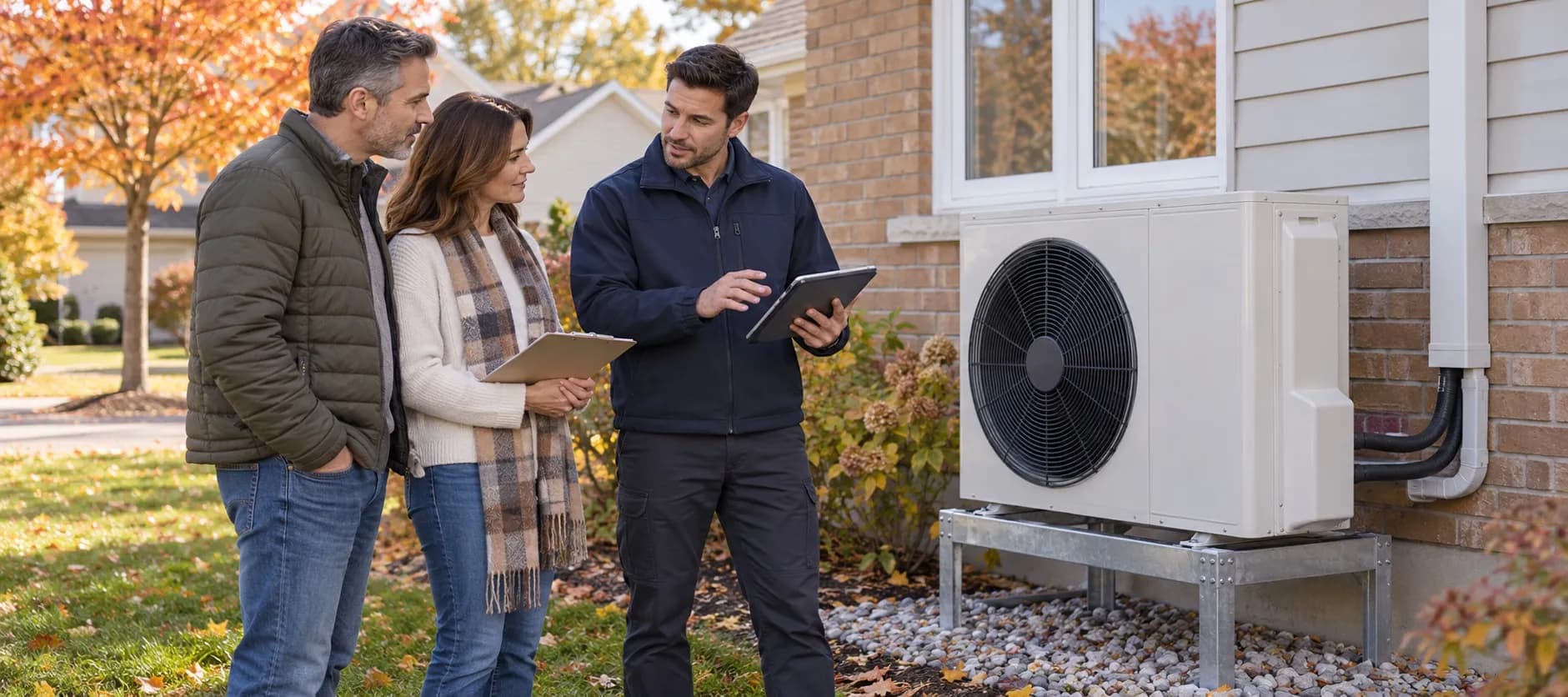
Ottawa announced the National Heat Pump Rebate on October 8, 2026. Here’s what is confirmed for...

Three provinces changed their solar rebates and one rule reshapes system sizing in Ontario. A...