
Marketing
HVAC Lead Intake Routing Worksheet: Service, Replacement and Maintenance
Route HVAC leads by urgent service, planned replacement and maintenance with a practical intake...
4 min

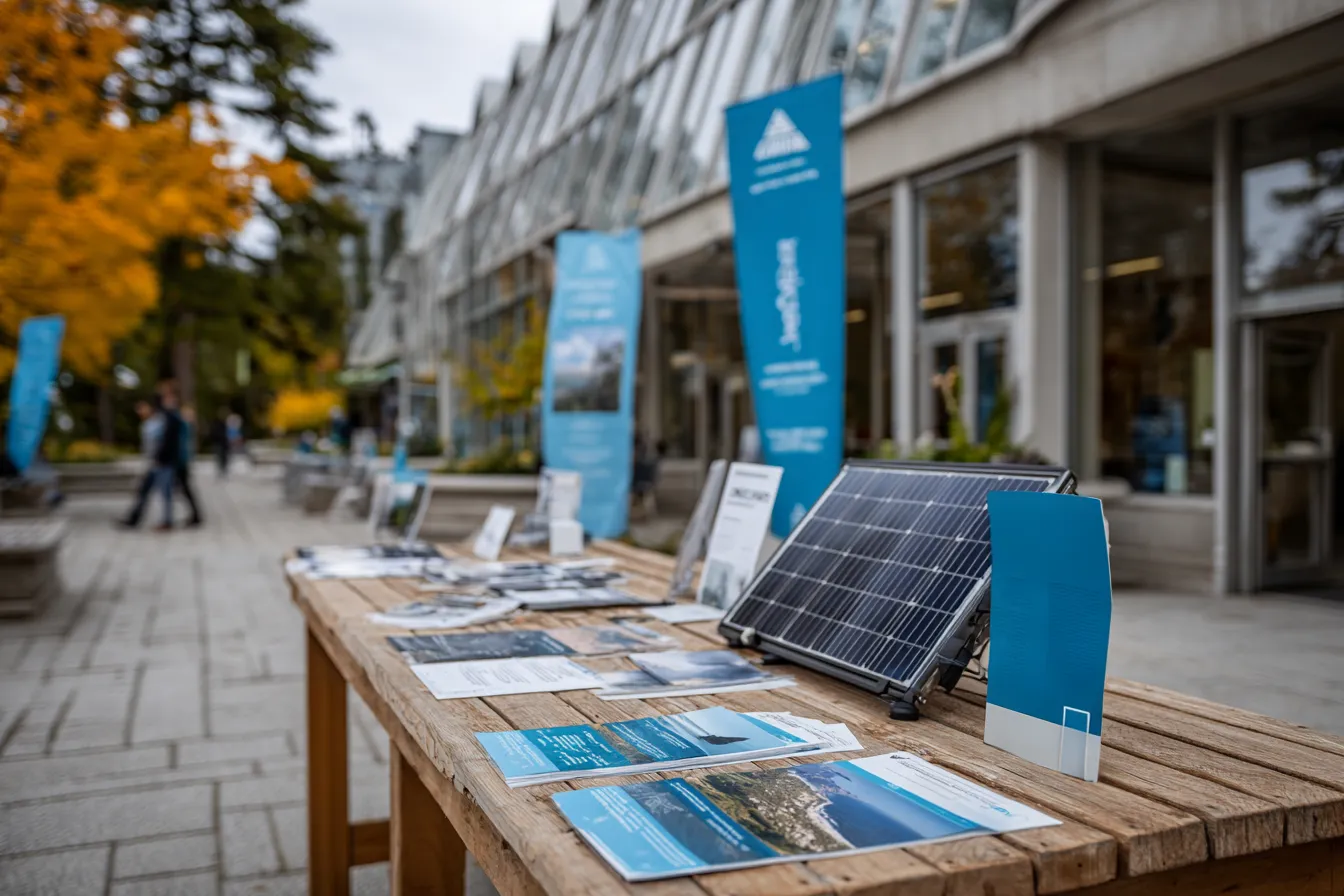
A community energy outreach plan should help a Canadian contractor and its partners give residents clear information about participation. Outreach works best when residents can understand who is organizing the activity, what is being offered and what happens after they respond. A municipal or nonprofit logo can carry authority, so partnership materials need clear permission and accurate descriptions of each organization's role.
Write down who owns the program, who funds it, who delivers technical work and who answers complaints. Obtain authorization for logos, quotations and partner names. A participating organization is not automatically endorsing every contractor or guaranteeing household eligibility.
Set a review process for claims and updates. If an offer changes, identify who removes outdated flyers, slides, landing-page copy and social posts. Competition Bureau guidance on environmental claims is relevant when describing benefits; broad promises of zero emissions or guaranteed savings need appropriate support.
Explain the immediate next step in plain language: attend a session, request an assessment or apply through the administrator. State costs, limits and whether participation creates any sales contact. Provide accessible formats and language support matched to community needs rather than assuming one channel reaches everyone.
At an event, separate general education from individual advice. A brief booth conversation should not be presented as an energy evaluation, technical approval or confirmed rebate eligibility.
Specify what information is collected, why it is needed, which organizations receive it and what choices residents have. OPC guidance on meaningful consent can help make those choices understandable. A shared spreadsheet should not become an uncontrolled database of household and financial information.
If commercial email or SMS follow-up is planned, review CRTC requirements for the particular activity. A co-branded event registration is not blanket permission for every partner's marketing list.
| Outreach item | Decision to record |
|---|---|
| Audience and purpose | Who needs the information and which participation step it supports. |
| Format and access | Language, accessibility, offline routes and assistance needed. |
| Program facts | Current source, conditions, reviewer and update trigger. |
| Contact route | Which named organization receives the request and what it will do. |
| Asset control | Approved version, owner and method for replacing expired material. |
| Outcome record | Participation stage, unanswered question and responsible follow-up. |
Walk through the proposed journey before launch. Can a resident understand whether the next step is education, an assessment request or an application? Check the same explanation in the flyer, presentation and form so those channels do not promise different things.
Use a dummy request to check the intended receiving team and the response materials. Keep campaign testing separate from adding real people to sales lists. If the process requires information the partner cannot justify or handle appropriately, revise it before wider promotion.
Track attendance, accessibility requests met, assessments booked, applications completed and projects delivered as separate stages. Use opt-in feedback to identify confusion and barriers. Do not claim that a partnership caused increased participation without a comparison that supports it.
Report what the records show, including drop-offs and unmet needs. A useful outreach program leaves residents with clear choices and a reliable route for questions, rather than a high count of contacts whose next step is uncertain.
After the activity, compare the promised participation route with what happened. Identify inaccessible steps, missing answers and outdated claims, then assign corrections to the asset owner. Keep these service findings separate from commercial outcomes so a busy event is not presented as proof of successful installations or increased trust.
Route HVAC leads by urgent service, planned replacement and maintenance with a practical intake...

Connect solar marketing to a credible proposal with an enquiry handoff for service boundaries,...

Review three hypothetical clean energy partnerships through distinct handoff tests, customer...