Heat Pumps
Solar and Heat Pump Maintenance Schedule: Build Your Annual Calendar
Build a solar and heat pump maintenance schedule with manual-based reminders, named...
4 min

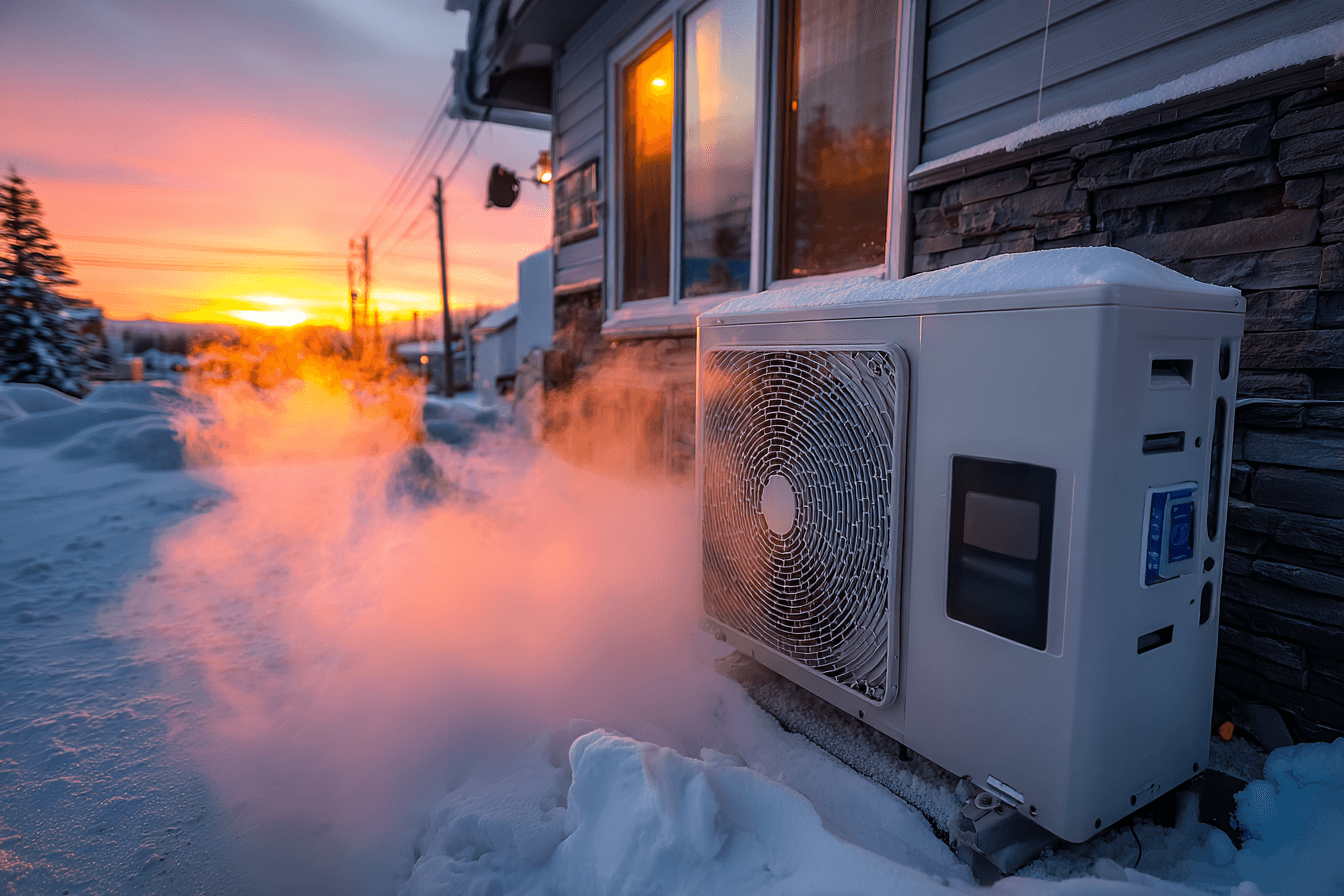
Read Cold Climate Heat Pump Challenge evidence by separating specifications, test results and field observations before applying a claim to a Canadian home.
Cold Climate Heat Pump Challenge evidence needs a careful distinction between a performance target and a measured result. Canadian homeowners should ask what was tested, under which conditions and whether the evidence concerns the equipment actually proposed. A development initiative is useful context, but it does not by itself establish a particular home’s heating outcome.
The practical tool here is an evidence worksheet. Use it when a sales claim, news story or research summary says winter performance has been “proven.”
The U.S. Department of Energy’s Challenge overview describes an initiative involving manufacturers, the U.S. EPA and NRCan. Its specification page identifies residential, centrally ducted, electric-only equipment and separate cold-temperature segments.
Those scope details matter. Do not apply a centrally ducted test claim to every ductless combination or treat an organization’s participation as a result for all its retail models. Nor should the initiative be described as an NRCan ranking of Canadian household installations.
The February 2022 factsheet describes planned laboratory verification and field trials. Its historical timeline is a plan, rather than a current results report. A past target date alone does not establish that a particular model completed every stage.
The overview and specification pages reviewed for this article explain the framework. For a claim about achieved performance, request the actual dated result or test report. This article does not infer Canadian field outcomes from those framework documents.
| Document or claim | What to record | What remains to establish |
|---|---|---|
| Performance specification | Required conditions, metric and scope. | Whether a named tested system met it. |
| Laboratory result | Exact equipment, method, conditions and measured output. | How the installed design behaves in the intended house. |
| Field observation | Site, weather, monitoring period, controls and backup use. | How representative the observations are of your application. |
| Retail product data | Matched models and applicable performance tables. | Whether the proposed installation meets the building load. |
A stronger evidence trail connects these layers rather than substituting one for another. If an advertisement links only to the initiative’s homepage, the missing model-specific result is a question to resolve, not proof of either success or failure.
For a laboratory claim, request the outdoor and indoor conditions, operating mode and definition of the efficiency or capacity metric. Ask how defrost and supplemental heat are treated where relevant. Preserve those qualifications when repeating the result.
For a field claim, ask whether reported energy covers only the heat pump or also backup, fans and other relevant loads. Note the observation period and comfort measurements. A short cold-weather observation cannot establish an entire season’s bill savings without additional evidence and assumptions.
Request the exact proposed indoor/outdoor combination, its capacity data and the home’s heating-load assessment at local design conditions. Ask how room distribution, controls and backup meet the remaining requirements. NRCan’s sizing guide provides the design-method context for that step.
For the broader equipment-selection discussion, see the cold-climate buying guide. Research evidence should inform the proposal rather than replace the building-specific explanation.
Write the claim in one sentence, attach the original dated source and identify the system and conditions it actually covers. Add the unresolved applicability question and the document that would answer it. This record makes it easier to distinguish promising technology evidence from an unsupported promise about your own home.
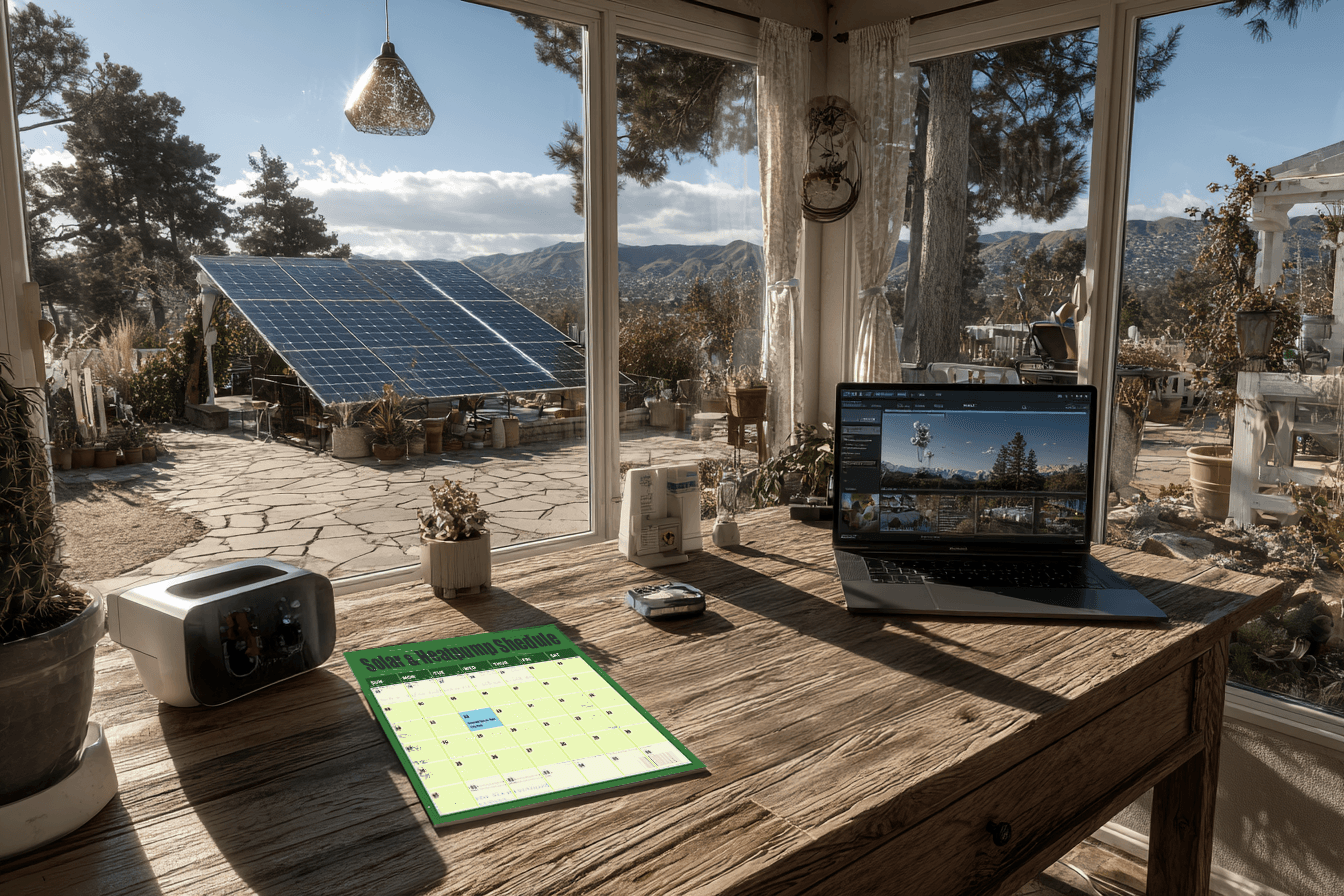
Build a solar and heat pump maintenance schedule with manual-based reminders, named...
Recognize signs your heat pump needs service, distinguish urgent hazards from recurring...
Build a heat pump filter cleaning schedule for each indoor unit, distinguish washable and...