
Heat Pumps
Cold Climate Heat Pump Challenge: How to Read the Evidence
Read Cold Climate Heat Pump Challenge evidence by separating specifications, test results and...
3 min

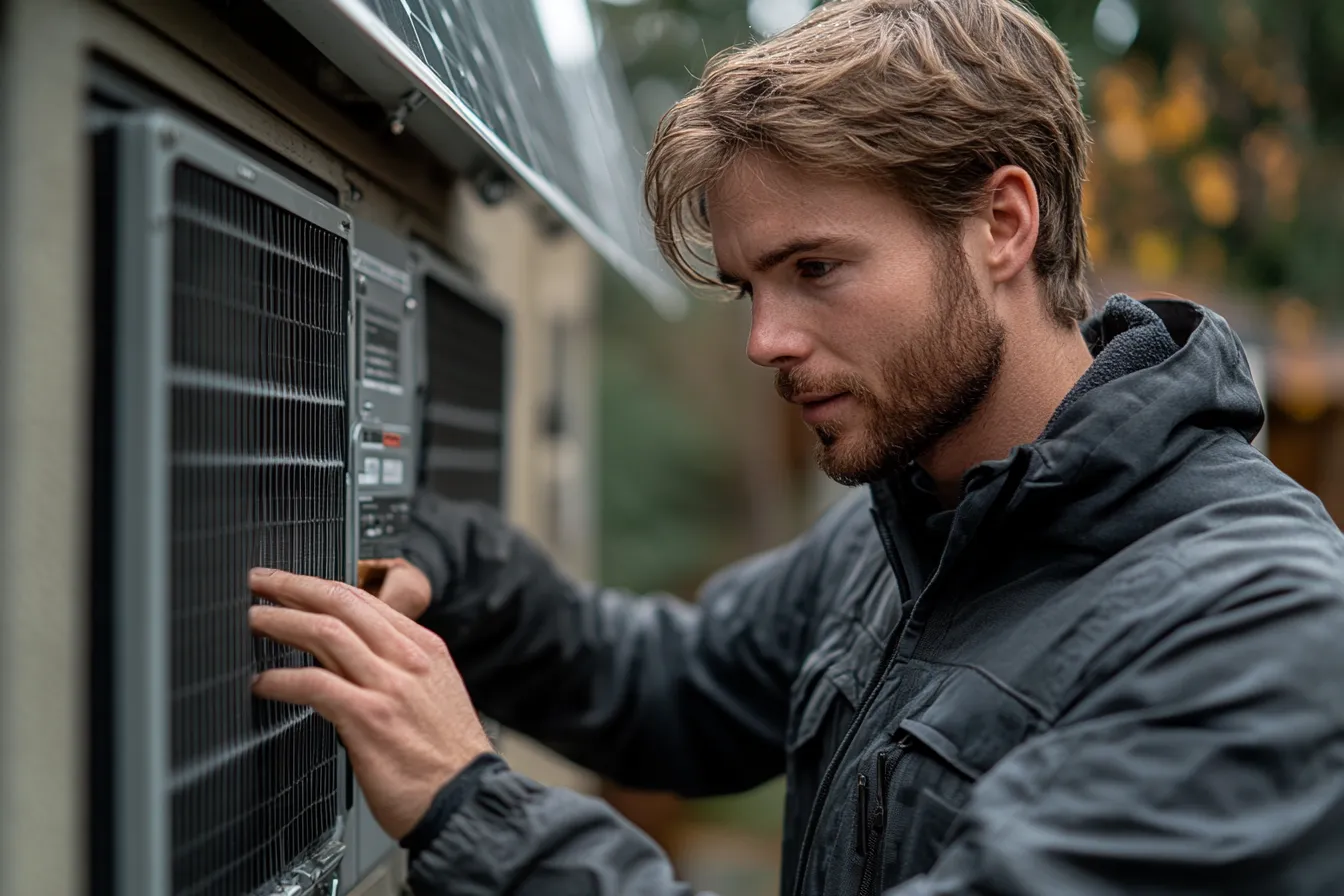
Build a heat pump filter cleaning schedule for each indoor unit, distinguish washable and disposable media, and keep a clear inspection and care log.
A heat pump filter cleaning schedule should follow the actual filters in your Canadian home. There is no interval that fits every heat pump. Start with the manual for each indoor unit, then check condition regularly enough to learn how quickly that filter loads in your home. Heavy use, pets, renovations or airborne dust may justify more frequent checks.
NRCan recommends regular filter inspection, cleaning or replacement because airflow matters to heating and cooling performance. A reminder is useful; a rigid rule to replace every filter monthly can waste money or still be too infrequent in difficult conditions.
A ductless indoor head may have reusable mesh filters and separate inserts with different care requirements. A ducted system may have a disposable media filter, a reusable filter or another specified arrangement. Read the part number and the service instructions. Do not assume that a filter which fits the opening is suitable for the equipment.
Ask the installer to show you safe owner access and the shutdown procedure. If access needs a ladder, removal of service panels or work near electrical parts, arrange professional assistance.
Make a separate entry for each indoor unit or filter location. A multi-zone system may need several entries, and an individual unit may contain more than one type of media. Ask the installer to distinguish the main filter from any additional insert with different care instructions.
| Record field | What belongs in it |
|---|---|
| Location and equipment | Room, unit model and filter position shown in the manual. |
| Filter identity | Part reference, dimensions where applicable and disposable/reusable status. |
| Permitted owner care | Exact manual page, access method and cleaning or replacement instructions. |
| Next reminder | Manufacturer-based inspection date, adjusted with professional guidance if needed. |
Mark unknown entries for the provider to resolve. Do not copy one head’s washing instructions across the house simply because the units look similar.
Wash only filters explicitly described as washable. Use the permitted method and allow the filter to dry as instructed before refitting. Disposable filters should be replaced, not rinsed. Match size, orientation and the equipment's airflow requirements.
Do not automatically choose the highest MERV number or substitute a HEPA filter. Greater filtration can also mean greater resistance; the blower and filter arrangement must be able to support it. Ask a technician to evaluate a proposed upgrade, particularly where wildfire smoke or indoor air concerns are the reason.
Note the date, filter type and condition, plus any dust-producing event. After several checks, adjust your reminder within the manufacturer's guidance. Keep spare approved replacements so a loaded filter is not left in place simply because the correct size is unavailable.
If airflow or comfort remains poor with a correctly installed clean filter, request service. A filter is one possible contributor, not an explanation for every noise, bill increase or iced outdoor unit. Avoid running without it to test whether performance improves.
Record “inspected,” “cleaned” or “replaced,” with the filter reference and condition. This shows whether the routine is actually being followed without confusing a quick check with completed cleaning. Keep dates for each unit rather than one household-wide check mark.
For example, a homeowner may find one head loads faster after nearby renovation work. That observation supports reviewing its inspection reminder within the instructions. It does not prove every filter needs the same shorter interval, and it does not establish an equipment fault.
Ask the technician to review the map during service, particularly if equipment or filter products have changed. Keep the latest confirmed care instructions with the log. The useful routine is one that matches the installed filters and remains safe and practical to perform.
Read Cold Climate Heat Pump Challenge evidence by separating specifications, test results and...

Build a solar and heat pump maintenance schedule with manual-based reminders, named...

Recognize signs your heat pump needs service, distinguish urgent hazards from recurring...