Heat Pumps
Cold Climate Heat Pump Challenge: How to Read the Evidence
Read Cold Climate Heat Pump Challenge evidence by separating specifications, test results and...
3 min

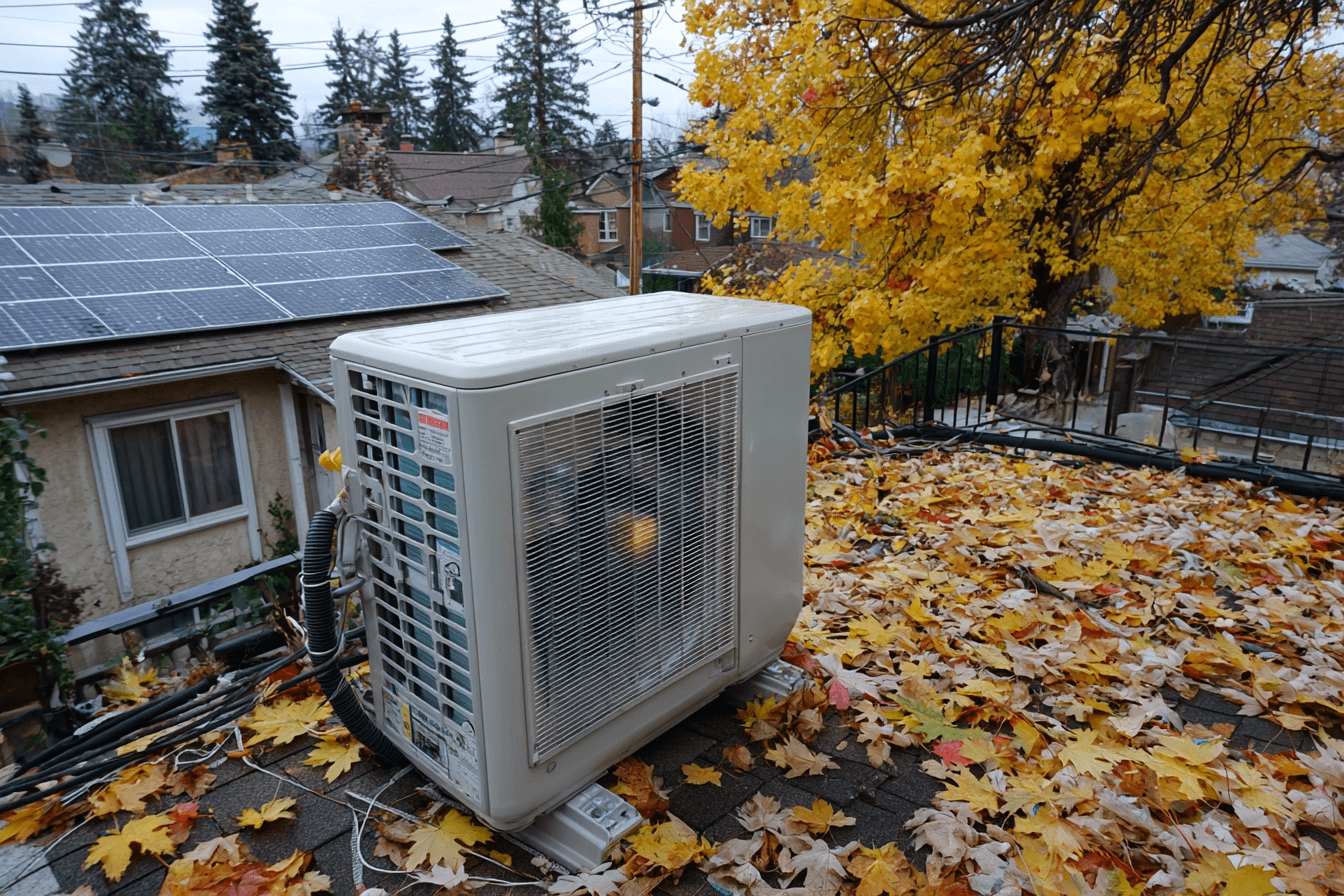
Recognize signs your heat pump needs service, distinguish urgent hazards from recurring symptoms, and prepare observations for a productive technician visit.
Signs your heat pump needs service should be judged by safety, persistence and loss of comfort. Canadian homeowners should call when a change persists beyond normal operating behaviour or the system no longer maintains safe indoor conditions. A noise or app alert alone rarely identifies the failed part. Describe what happened rather than ordering a repair based on an online diagnosis.
Smoke, sparking, a burning smell or a damaged electrical connection needs prompt action. Stop using the system if you can do so safely and seek appropriate urgent assistance. Do not wait several days to see whether it clears, repeatedly reset a tripping breaker or open an electrical enclosure.
If heating fails during severe weather, protect occupants and the building while arranging service. Use only safe, approved alternative heating according to its instructions; do not bring outdoor combustion equipment indoors.
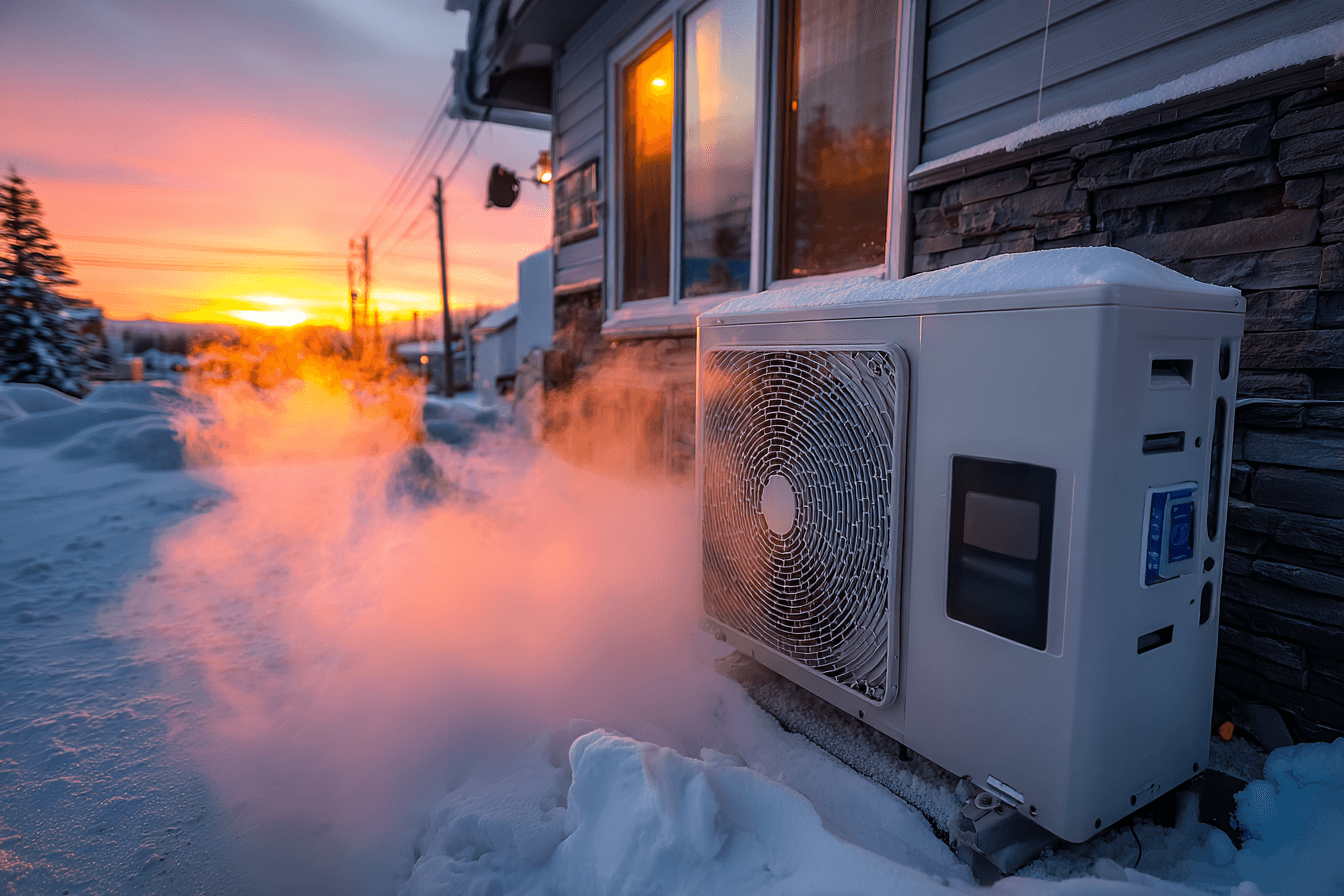
An outdoor air-source unit may develop frost and periodically defrost. Temporary changes in sound, fan operation or delivered heat can be normal. Persistent heavy ice, a fan striking ice, repeated faults or failure to recover indoor temperature merits a technician's assessment. Do not chip, heat or wash ice away yourself.
Review the thermostat mode, set point and displayed fault message. Check the filter using the owner's manual and observe whether surrounding airflow is blocked. NRCan's maintenance guidance explains the importance of filters and routine care. Leave refrigerant, electrical and internal component checks to qualified personnel.
Long running times can be normal for variable-capacity equipment. Repeated rapid cycling, a newly weak airflow or rooms that have become uncomfortable should be investigated in context rather than labelled as a particular component failure.
| Observation | Useful response |
|---|---|
| Smoke, sparking or a burning smell | Treat as a potential immediate hazard; move away as needed and seek appropriate urgent help. |
| Loss of heat with unsafe indoor conditions | Protect occupants and arrange prompt assistance; do not postpone for monitoring. |
| Repeated faults, persistent ice or deteriorating comfort | Contact the service provider with the recurrence and conditions documented. |
| A brief change consistent with documented normal operation | Check the owner guidance and record recurrence if uncertain; escalate if it persists or conditions worsen. |
This is a response guide, not a component diagnosis. If you are unsure whether a condition is hazardous, seek help rather than conducting an experiment on the equipment.
Provide the indoor and outdoor model numbers, installation date, fault code, weather conditions and when symptoms began. Note recent thermostat changes or building work. If bills rose, compare energy quantities and rates, not just the dollar total: colder weather and a tariff change can raise cost without a fault.
Ask the technician to document the cause, measurements, recommended repair and warranty position. A service call should resolve a specific concern, not rely on a generic age threshold or an unsupported promise of savings.
A useful service note says, for example, that a bedroom stayed below the setpoint during a particular period and that a displayed code repeated. It does not label the compressor or refrigerant charge as the cause. Include safe photographs or a recording only when obtaining them does not put you near moving parts, wiring or ice hazards.
Ask which visit charges apply and whether the provider needs the original commissioning or warranty documents. After service, request the findings, work completed, any unresolved issue and the permitted owner actions. Keep that report with your incident record so a recurrence can be compared with evidence rather than memory.
For the basic automatic winter process, see the defrost-cycle explanation. Do not treat that general description as a reason to dismiss persistent ice or inadequate heat in your own installation.
Read Cold Climate Heat Pump Challenge evidence by separating specifications, test results and...
Build a solar and heat pump maintenance schedule with manual-based reminders, named...
Build a heat pump filter cleaning schedule for each indoor unit, distinguish washable and...