Heat Pumps
HSPF vs COP: How to Compare Heat Pump Efficiency in Canada
HSPF measures heating efficiency over a season; COP measures it at one temperature. Here’s how...
4 min


Why your heat pump stops, steams and whooshes in winter, what a normal defrost cycle looks like and when to call a technician.
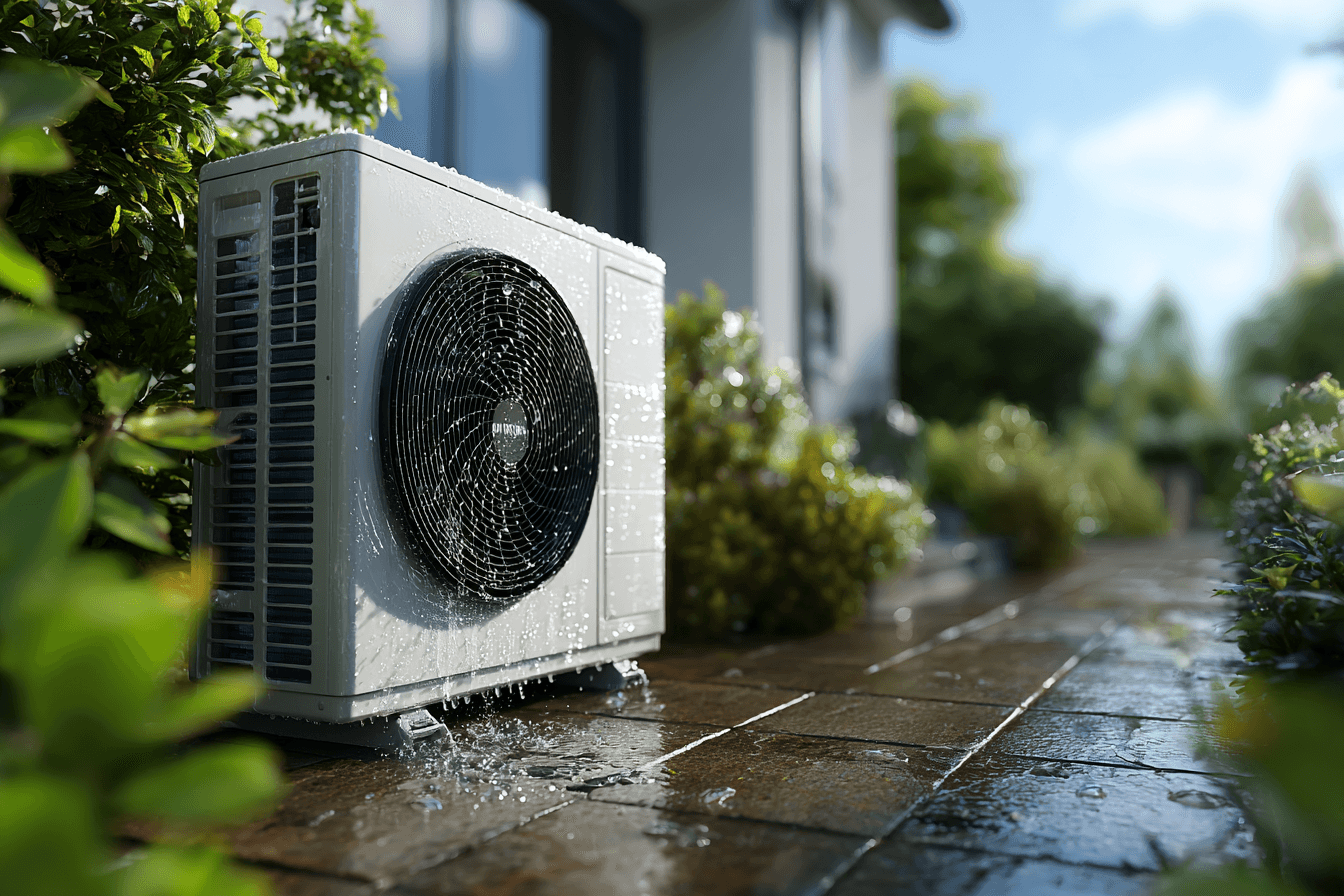
A heat pump defrost cycle is a normal, automatic process that melts frost off the outdoor unit in winter. If you see your heat pump pause, release steam and make a whooshing sound for a few minutes, it’s most likely defrosting, not breaking down. Knowing what normal defrost looks like helps you tell it apart from a problem that needs a technician.
In heating mode, the outdoor coil gets colder than the outdoor air so it can absorb heat. When the air is cold and damp, moisture freezes onto that coil. Frost blocks airflow, so the heat pump gets less heat out of the air and runs less efficiently.
To fix this, the heat pump briefly reverses. Natural Resources Canada (NRCan) explains that during defrost, the reversing valve switches the system to cooling mode and the outdoor fan shuts off. Warm refrigerant then flows through the outdoor coil and melts the ice. Read NRCan’s explanation of heat pump defrost.
During a typical cycle you may notice:
Many systems turn on backup heat during defrost so your home stays comfortable. When the coil is clear, the heat pump switches back to heating automatically.
There’s no single right number. How often a heat pump defrost cycle runs depends on the weather and the controls in your system:
| Condition | What to expect |
|---|---|
| Around freezing with high humidity, fog or wet snow | More frequent defrosting, because frost builds up quickly |
| Very cold, dry air | Often less frequent, because there’s less moisture to freeze |
| Snow or ice blocking the unit | More frequent or longer defrosting, which is a sign to clear the unit |
NRCan describes two types of control:
Your owner’s manual will tell you which control your system uses and how long a typical cycle lasts for your model.
A heat pump defrost cycle that doesn’t clear the ice is a warning sign. Call a qualified heat pump technician if you notice any of the following:
These can point to a faulty sensor, a low refrigerant charge, a fan problem or poor drainage. Don’t chip ice off the coil with tools. The fins are thin and easily damaged.
If the unit is only noisy, not iced up, our guide to why a heat pump is loud in winter explains which sounds are normal.
If you’re thinking about screens or landscaping near the unit, see how to hide a heat pump without blocking airflow.
A heat pump defrost cycle is a sign your system is protecting its efficiency, not a sign it’s failing. Short pauses, steam and a whoosh are normal. Persistent ice, cold air for long periods or harsh mechanical noises are not. When you’re choosing a new system, a correctly sized cold-climate model with demand defrost will handle Canadian winters best. Our cold-climate heat pump guide can help.
Yes. During a defrost cycle, melting frost turns into steam or mist that rises from the outdoor unit. It isn’t smoke.
The system briefly switches to cooling mode to warm the outdoor coil. Many systems turn on backup heat to offset this. Long periods of cold air are not normal and should be checked.
Don’t chip the ice off. Clear loose snow around the unit and let the defrost cycle work. If thick ice remains after a cycle, call a technician.
HSPF measures heating efficiency over a season; COP measures it at one temperature. Here’s how...
Screens, plants and placement ideas that hide a heat pump’s outdoor unit while keeping airflow,...
Compare cold-climate heat pumps for Canadian homes by system type, low-temperature output,...