
Energy Efficiency
Deep Lake Water Cooling for Buildings: Understand Toronto’s Shared System
Assess deep lake water cooling for buildings through Toronto’s district-energy example, with a...
3 min

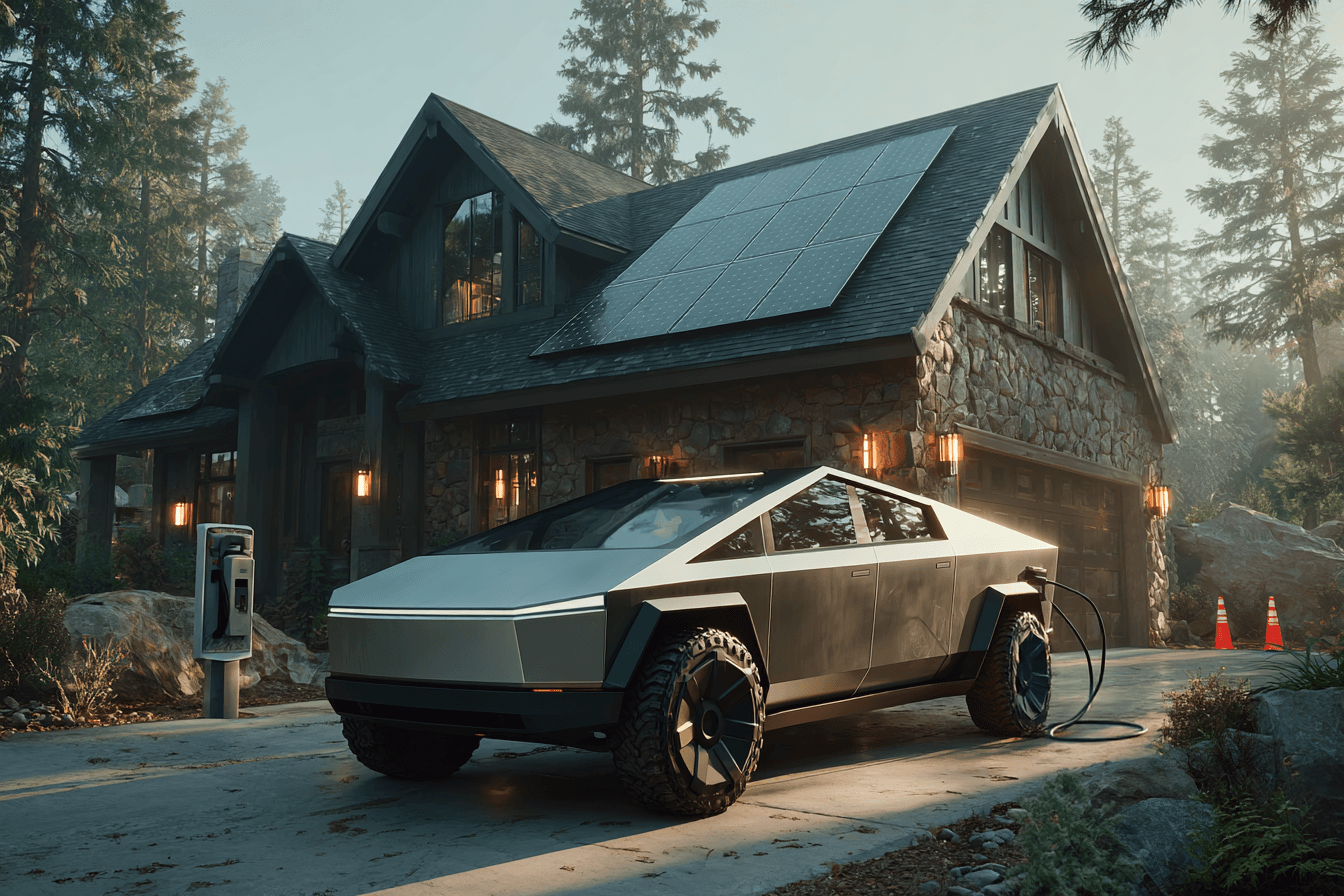
Build a home EV charging plan around daily energy, parking time, compatible equipment and a qualified electrical assessment before comparing installation quotes.
A home EV charging plan for a Canadian household starts with the vehicle, daily travel, parking and available electrical supply. Level 2 charging can be useful, but it is not the only sensible option for every household. Do not buy equipment solely on a headline charging speed or an assumed rebate.
Compare the energy you need to replenish with the hours the vehicle is parked. Level 1 uses suitable 120-volt charging equipment; Level 2 uses a higher-power installation. Charging rate also depends on the vehicle's onboard charger, temperature, state of charge and the equipment setting. A universal kilometres-per-hour promise is misleading.
Check connector compatibility and manufacturer-approved adapters. Decide whether a hardwired or receptacle arrangement is appropriate with the electrical contractor. Do not improvise with dryer outlets, extension cords or unapproved adapters.
Record a representative day’s driving and the hours the vehicle is normally parked at home. Use the vehicle’s actual energy-use information or a documented planning assumption, with allowances for seasonal conditions and charging losses. A long overnight window can support a different choice from a short midday stop.
For a deliberately simplified example, suppose a household needs 12 kWh added to the vehicle and has ten parked hours. At an assumed average delivery of 1.2 kW, the arithmetic is 12 ÷ 1.2 = ten hours, leaving no timing margin. At 3 kW, the same energy takes four hours. These invented constant-rate figures are not a promise from a particular outlet, vehicle or charger.
The example shows why headline maximum speed is not the whole decision. Have the provider account for actual equipment limits, charging behaviour, temperature and losses. Review longer travel days and an alternative charging arrangement if the normal window is insufficient.
A 200-amp service is not automatically required. Have a qualified contractor evaluate existing demand, equipment ratings, the proposed circuit and any approved load management. A lower charging rate may meet driving needs, but the installation must still comply with local requirements.
ESA's electrical guidance and its contractor-licensing information provide Ontario starting points. Elsewhere, use the relevant electrical authority and utility process.
Put the driving requirement, parking hours, connector, proposed location and maximum supported setting beside the electrical assessment. Add ownership or shared-parking permissions, the equipment’s Canadian approval evidence and the party responsible for permits and acceptance records.
ESA’s homeowner charging guidance provides an Ontario example of approval marks, qualified installation and documentation. Its historic cost illustration is not a current tariff estimate for your household. Confirm local requirements with the authority and provider serving your address.
Include equipment, circuit work, permits, inspection, cable route, trenching, mounting, weather exposure and future access. Ask about outdoor temperature ratings, network dependence, subscriptions and operation without an app. Shared or rented parking may need owner or building approval.
Charging during solar production can change how much generation is used on site, but the value depends on driving schedules, tariff and export-credit rules. Grid electricity may still be needed. A standard EV charger does not make the vehicle a home backup battery; bidirectional operation needs compatible vehicles, equipment, approvals and a designed backup arrangement.
Check any incentive's current rules before purchase, including applicant, equipment and timing requirements. Solenery's personalized discovery stays within the existing premium flow. Adding EV charging may improve convenience, but it does not by itself establish that a home has achieved net zero or that driving is cost-free.
Before purchase, ask the contractor to confirm the complete brief and any unresolved site work. Retain the accepted scope and commissioning instructions with the vehicle records, then review them if the vehicle, charging equipment or household electrical loads change.
Assess deep lake water cooling for buildings through Toronto’s district-energy example, with a...

Make a smart glass window comparison around the room’s comfort problem, complete assembly...

Plan furnace filter replacement with an equipment-specific specification card, safe owner-access...