Energy Efficiency
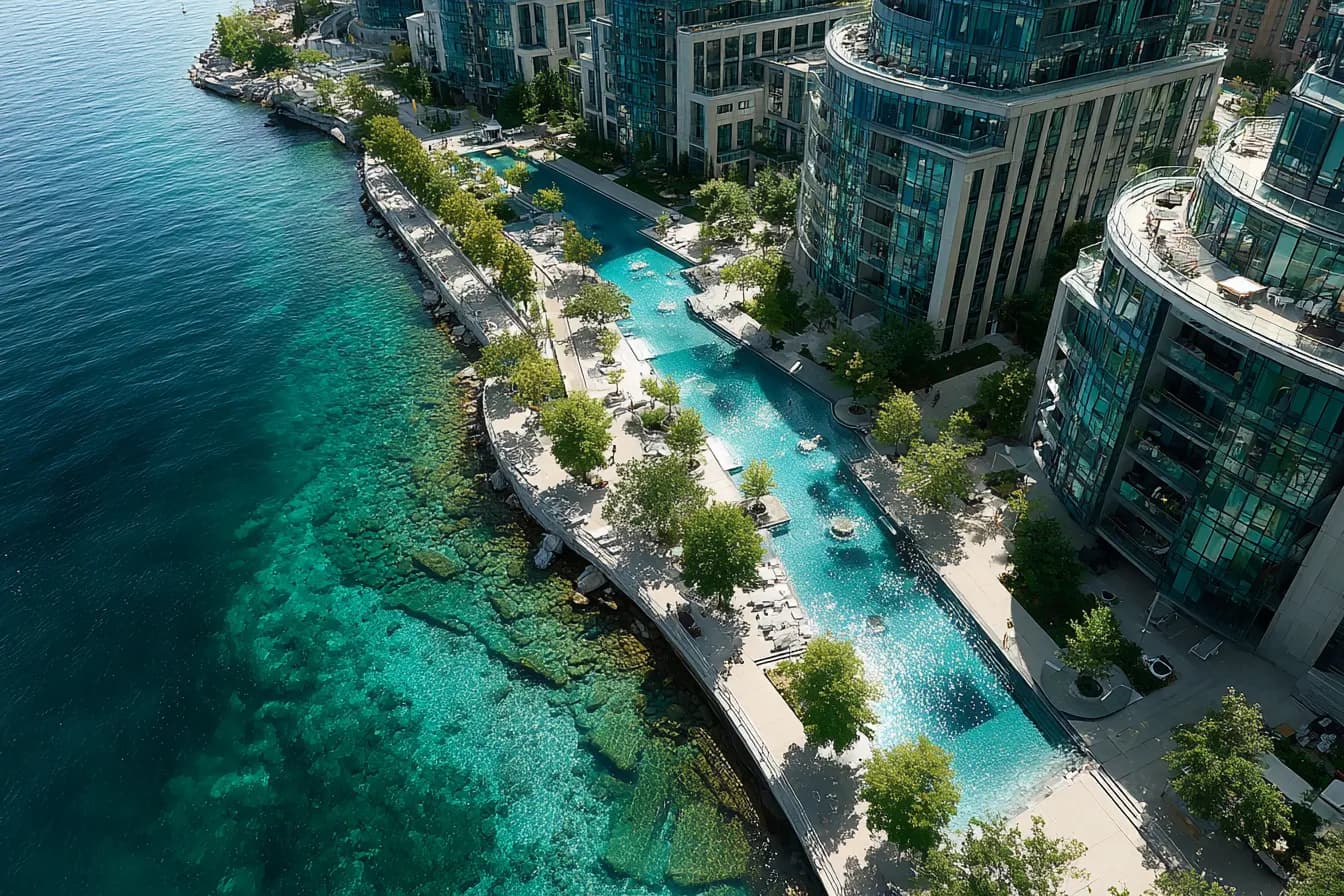
Deep Lake Water Cooling for Buildings: Understand Toronto’s Shared System
Assess deep lake water cooling for buildings through Toronto’s district-energy example, with a...
3 min

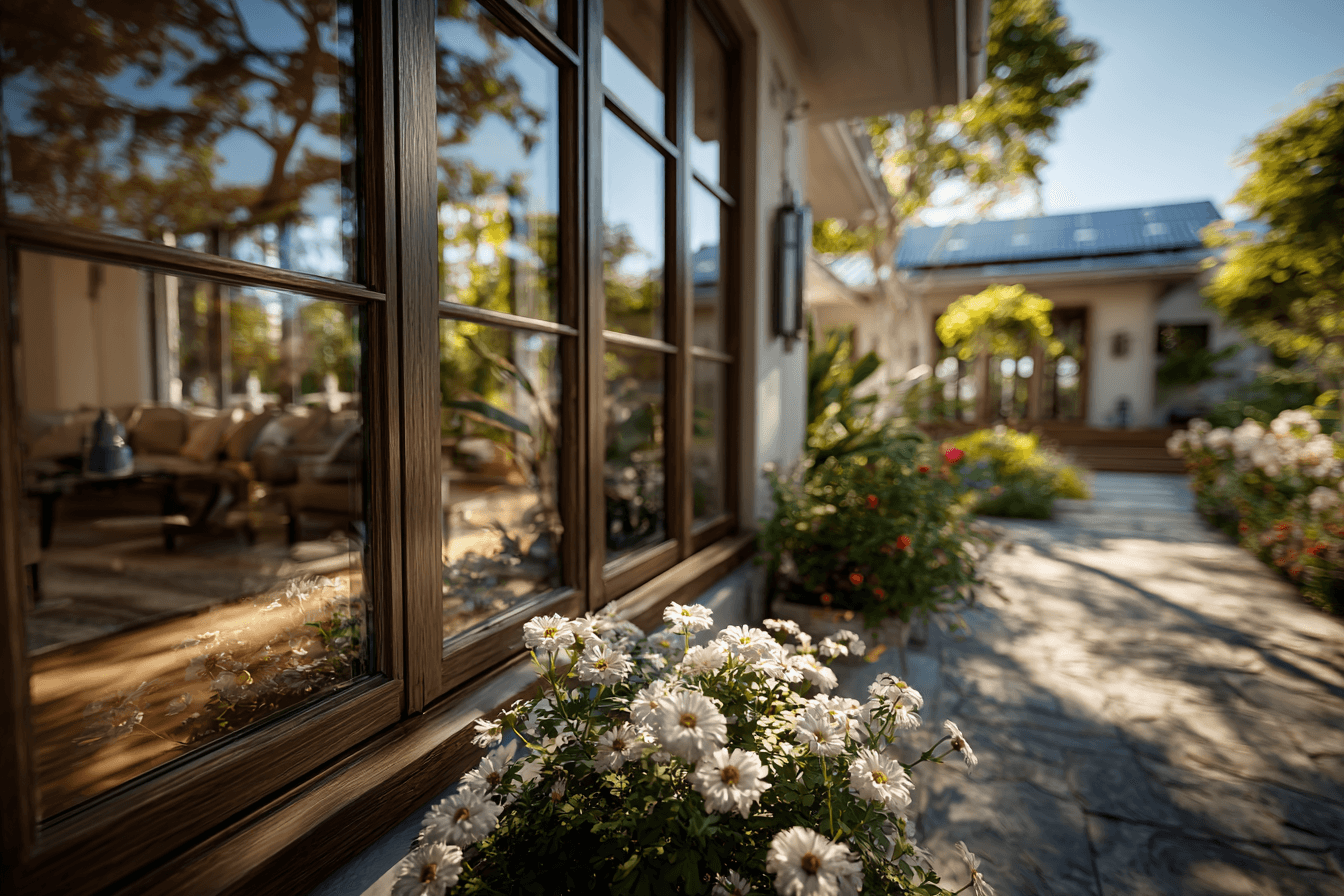
Make a smart glass window comparison around the room’s comfort problem, complete assembly ratings, operating states, control behaviour and future service.
A smart glass window comparison for a Canadian home should start with the room’s problem and the complete window assembly. Some smart glass changes tint to manage daylight and solar heat. That can help with glare and overheating, but it does not guarantee lower whole-home energy bills. The right comparison depends on the window assembly, orientation, controls and the room's actual problem.
Electrochromic glazing changes its optical properties using electrical control. Ask whether the product changes solar transmission, privacy, daylight or a combination. A “smart” label alone does not establish those functions. Identify what changes in each operating state.
The US Department of Energy's electrochromic window research discusses comfort and energy effects. Research findings from one building or climate are not a savings forecast for a Canadian house.
Tint control manages solar gain and light transmission. It does not replace the need to assess insulation, air leakage, frame quality and installation details. Ask for performance ratings for the complete assembly, including its clear and tinted states where applicable.
For a west-facing room with afternoon glare, compare dynamic glazing with an efficient conventional window and suitable exterior shading. For a cold, drafty north-facing room, thermal performance and installation may deserve more attention than tint control. These are design comparisons, not predicted customer results.
| Record field | Question to answer |
|---|---|
| Room objective | Is the problem glare, overheating, drafts, privacy or another defined need? |
| Window assembly | Which size, frame, glazing and installation are actually proposed? |
| Performance evidence | What U-factor, solar heat gain and light-transmission evidence applies? |
| Operating states | What changes between clear and tinted or other modes? |
| Alternative | What conventional window or shading arrangement addresses the same need? |
NRCan’s window specification defines dynamic glazing and relevant performance metrics. Use the applicable evidence for the quoted assembly; this article does not certify a product or apply a universal threshold.
Keep laboratory ratings, a building simulation and observations from another project clearly labelled. Ask the designer how orientation, climate and household use affect the comparison. A promising result in another building does not identify the incremental benefit of replacing your particular window.
Request separate costs for glazing, frames, wiring, controllers, installation and commissioning. Confirm manual override, default behaviour during a power or communications failure, expected tint transition, replacement availability and who services the controls. Ask whether the warranty treats glass, seals and electronics differently.
If a renovation already requires new windows, compare the incremental cost with alternatives that solve the same problem. If the existing window works well, replacement needs a stronger justification than a percentage from a marketing brochure.
Do not assume an innovation label creates rebate eligibility. Personalized rebate discovery and address-based matching remain part of Solenery premium access; any proposed incentive needs confirmation before it enters the project budget.
Ask the supplier to document the expected operating states, control response and permitted manual override. Identify who demonstrates operation and who handles a window or control that does not behave as described.
Keep the final quote, performance evidence, commissioning record and warranty responsibilities together. A well-defined comparison explains which comfort problem is solved, what evidence supports the choice and what service commitment accompanies it. It does not need a blanket whole-home savings percentage to be useful.
Assess deep lake water cooling for buildings through Toronto’s district-energy example, with a...
Plan furnace filter replacement with an equipment-specific specification card, safe owner-access...
Choose home lighting automation with a room-use matrix, realistic avoided-hours calculation and...