
Energy Efficiency
Deep Lake Water Cooling for Buildings: Understand Toronto’s Shared System
Assess deep lake water cooling for buildings through Toronto’s district-energy example, with a...
3 min

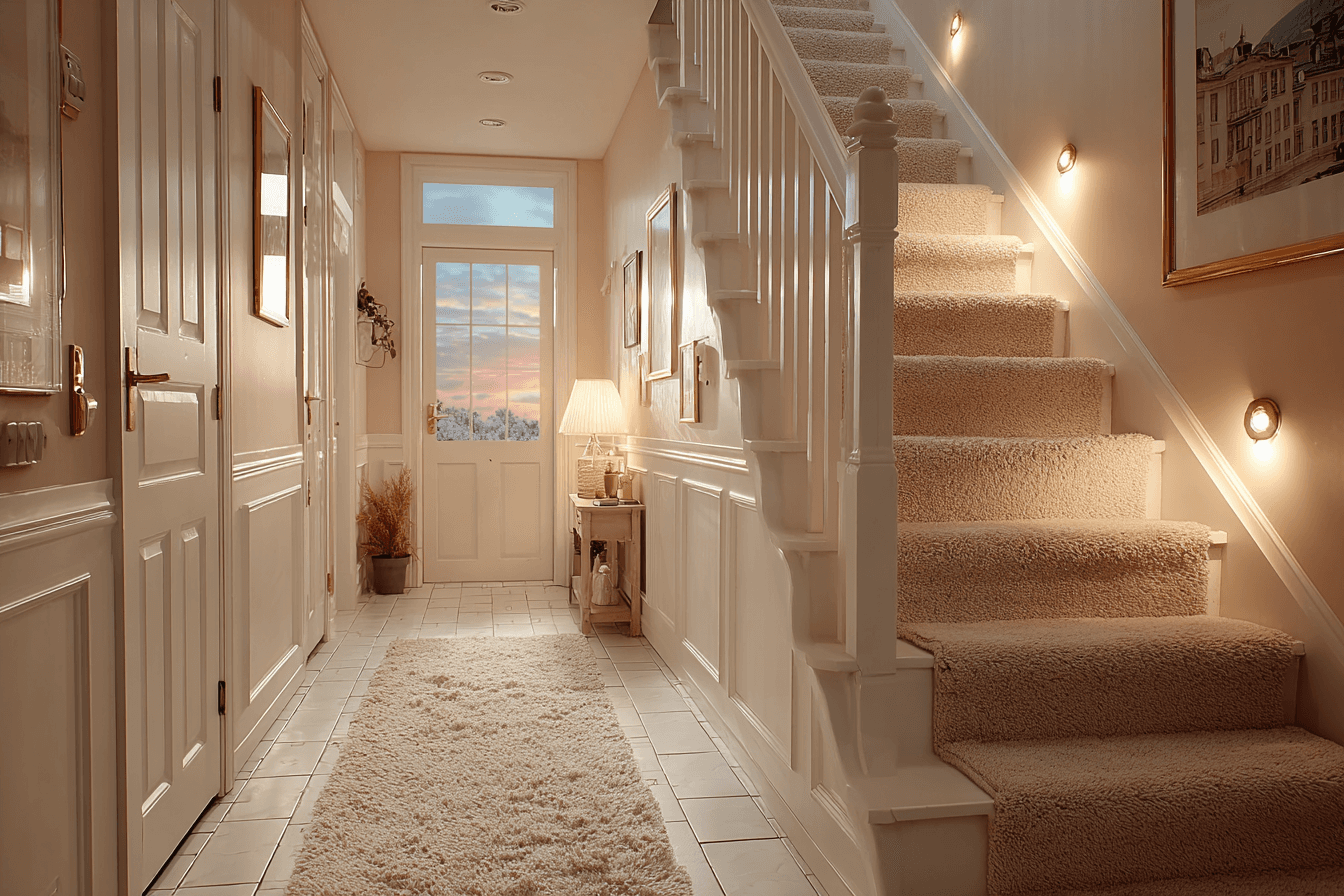
Choose home lighting automation with a room-use matrix, realistic avoided-hours calculation and an acceptance test for sensors, timers and schedules.
Home lighting automation should solve a specific pattern of unnecessary use in your Canadian household. It can reduce the time a light runs unnecessarily. Its value depends on the bulb's power and the hours actually avoided. If a low-wattage LED is already used sparingly, convenience may be a stronger reason to automate than energy savings.
The DOE guide to occupancy sensors explains automatic-on/automatic-off and manual-on/automatic-off strategies. Its federal-building examples are technology context, not Canadian household savings estimates. Start with one location where lights are routinely left on.
| Situation | Control to consider | Check first |
|---|---|---|
| Forgotten laundry-room light | Countdown timer | Enough time for the task |
| Brief visits to a storage area | Occupancy sensor | Detection coverage and safe exit lighting |
| Lamp used on a regular schedule | Rated plug-in timer or smart plug | Lamp compatibility and manual override |
| Outdoor light needed after dusk | Photocell or schedule | Outdoor rating, temperature range and neighbours |
| Bedroom reading | Manual control or dimming | Avoid automatic darkness while someone is still |
Motion sensors can miss a stationary person. A shorter timeout is not always a better setup, particularly on stairs or where someone has limited mobility. Test the result in normal use before relying on it.
Before purchase, write down who uses the space, how they enter, whether they remain still and when natural light is adequate. Choose a control that preserves useful light during the actual task. A detector that switches a light off during quiet reading has failed that household requirement even if it records fewer operating hours.
Distinguish the intended behaviour: an occupancy control can switch on automatically, while a vacancy strategy starts with manual-on and turns off when appropriate. A timer addresses a predictable forgotten-on period; a schedule addresses a repeated time pattern. Ask the supplier which behaviours the exact device supports.
Hypothetical example: eliminating three unnecessary hours per day from one 9-watt LED saves 0.009 kW × 3 × 365 = 9.9 kWh annually. At an assumed marginal energy price of $0.15/kWh, that is about $1.48 before control-device consumption. Use your actual tariff; fixed account charges generally do not disappear.
That arithmetic explains why an automation kit should not be sold with a blanket promise to save hundreds of dollars. Replacing an inefficient lamp and reducing unnecessary operating hours are separate benefits—do not count the same reduction twice.
Confirm dimmer, bulb and switch compatibility, including neutral-wire requirements where relevant. Have hardwired changes handled by a qualified person under local requirements. Keep a usable manual override, review schedules after daylight-saving or routine changes, and account for app, hub and standby requirements before purchasing.
Keep a short test record covering entry, stationary use, exit, manual override and the return of power or network service as applicable. Check with all household users rather than judging the setup from a quick walk past the sensor. Adjust only permitted owner controls; ask the installer to resolve wiring or compatibility issues.
Record actual unnecessary hours avoided and update the energy calculation with the installed lamp wattage. Include any hub, smart-switch or subscription cost when assessing the purchase. If the room was already well managed, keep convenience and accessibility as explicit reasons for the control rather than describing them as measured energy savings.
Revisit the settings when room use or daylight changes. Successful automation provides light when it is needed and removes a documented waste pattern without creating a new inconvenience.
Assess deep lake water cooling for buildings through Toronto’s district-energy example, with a...
Make a smart glass window comparison around the room’s comfort problem, complete assembly...
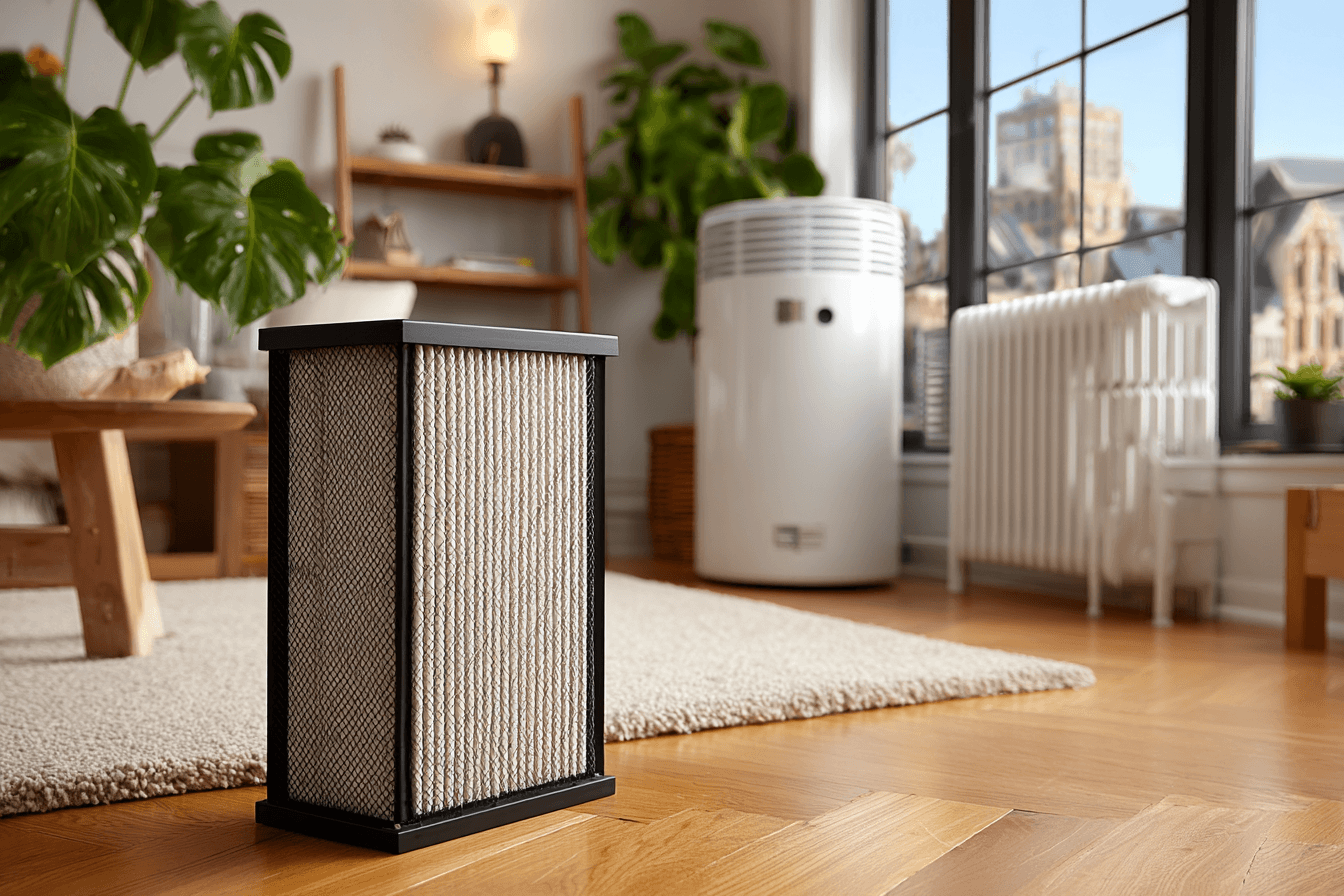
Plan furnace filter replacement with an equipment-specific specification card, safe owner-access...