
Energy Efficiency
Deep Lake Water Cooling for Buildings: Understand Toronto’s Shared System
Assess deep lake water cooling for buildings through Toronto’s district-energy example, with a...
3 min

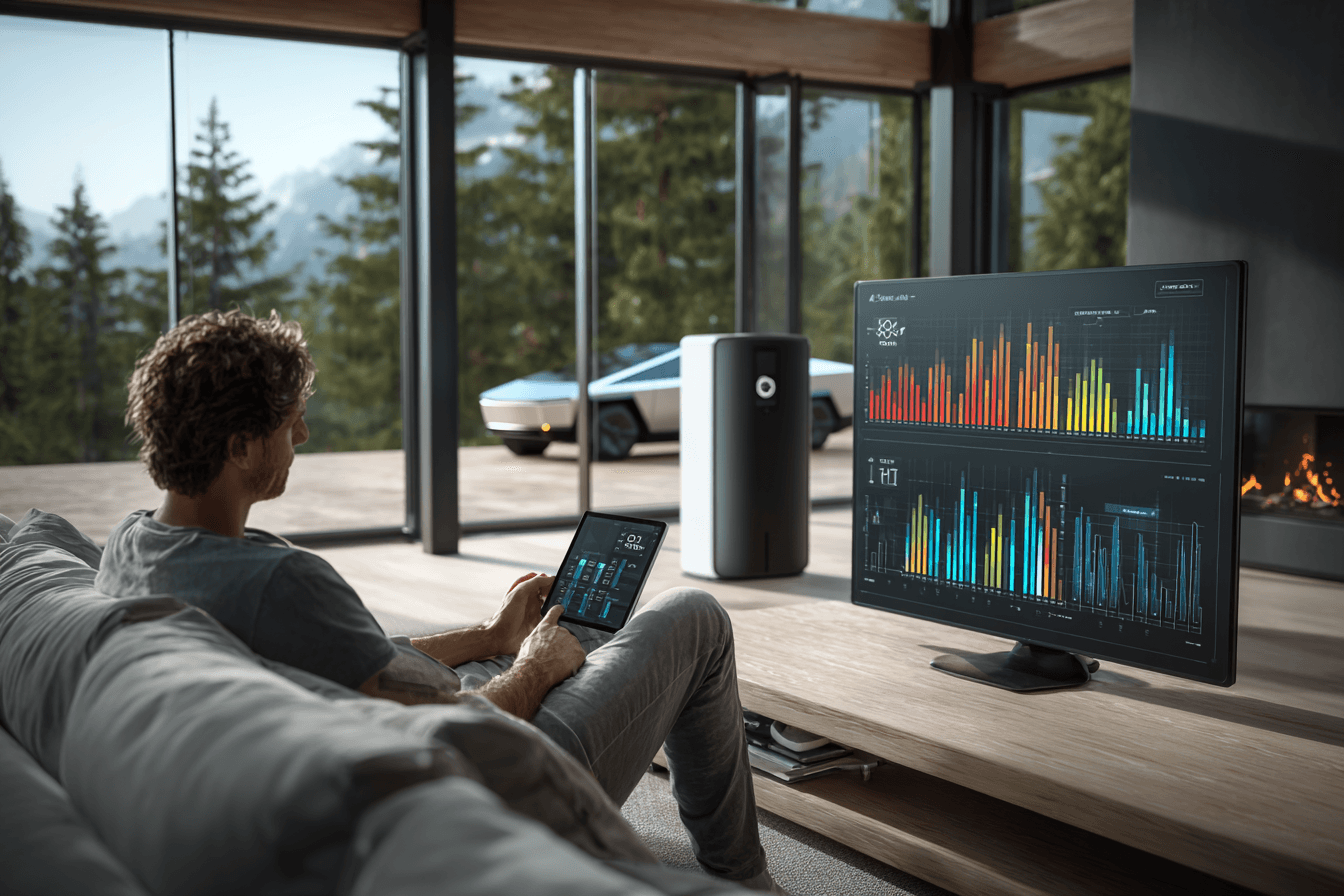
Choose home energy tracking tools by matching utility data, plug meters and circuit monitoring to a clear question, with checks for timing, inference and cost.
Choosing home energy tracking tools starts with the question a Canadian household needs to answer. Begin with the data you already have: your electricity and heating bills, plus your utility's customer portal. These establish consumption and cost without buying a monitor. An app is useful when it helps answer a question; a colourful dashboard alone does not reduce energy use.
Utility data shows the consumption recorded for billing, often with time-based views. Features and update delays vary. For example, BC Hydro's HydroHome FAQ distinguishes its account data from real-time information available with supported monitoring hardware. Verify availability for your own account rather than assuming every Canadian utility offers the same service.
Plug-level monitoring can measure a compatible appliance on a suitable outlet. Check electrical ratings, measurement units and whether the device reports measured kWh or an estimate. Do not use a general smart plug to control high-power heating equipment unless explicitly approved for that application.
Whole-home or circuit monitoring offers more detail but needs compatible equipment and qualified electrical installation. Automatic appliance identification is an inference, not a complete inventory of measured loads. A solar installation can also complicate the difference between production, household consumption and net grid exchange.
| Household question | Useful starting point | Limit to confirm |
|---|---|---|
| Did total electricity use rise? | Bills and utility interval data for comparable periods. | Reading periods, estimated intervals and weather or occupancy changes. |
| What does this compatible plug-in device use? | A suitably rated meter with representative observations. | Which operating states and time span were measured. |
| When does a large household load operate? | Appropriate interval or professionally installed circuit data. | Resolution, installation scope and whether identification is measured or inferred. |
| Where does solar electricity go? | Generation data together with import/export measurements. | Measurement location, timing and storage effects. |
Keep kW, which describes power at a time, separate from kWh, which describes energy over a period. Check whether a screen displays household consumption, grid exchange or solar generation before adding figures from different apps.
Choose one action, such as turning off an unused entertainment setup, and compare comparable days. Record kWh as well as dollars: a rate change can alter cost without changing consumption. Note cold weather, visitors, EV charging or travel before declaring a win.
Reward the habit rather than imposing a consumption target that compromises heating, cooling, ventilation or accessibility. Shared accounts should have clear permissions; avoid publishing a neighbour comparison that identifies another household. Add hardware only when the existing data cannot answer the question you want to investigate.
Check a representative period against the available source data and note any delay or gap. BC Hydro’s FAQ explains that app interval information and billing register readings have different roles, and that appliance breakdowns can be inferred from patterns. Do not treat every labelled appliance total as a separate meter measurement.
Ask for a sample export, the ongoing cost and the steps to remove access or close an account. Keep records of heating fuel as well as electricity if the household uses both; an electricity-only dashboard cannot explain the whole heating bill.
Buy additional hardware only when its extra detail can answer the chosen question. A useful tool leaves you able to state what was measured, over which period and what remains uncertain.
Assess deep lake water cooling for buildings through Toronto’s district-energy example, with a...

Make a smart glass window comparison around the room’s comfort problem, complete assembly...
Plan furnace filter replacement with an equipment-specific specification card, safe owner-access...