
Incentives & Rebates
Solar Rebates in Canada by Province (2026): What’s Open, Paused and Closed
Which solar rebates can Canadian homeowners still get in 2026? Province-by-province amounts,...
9 min

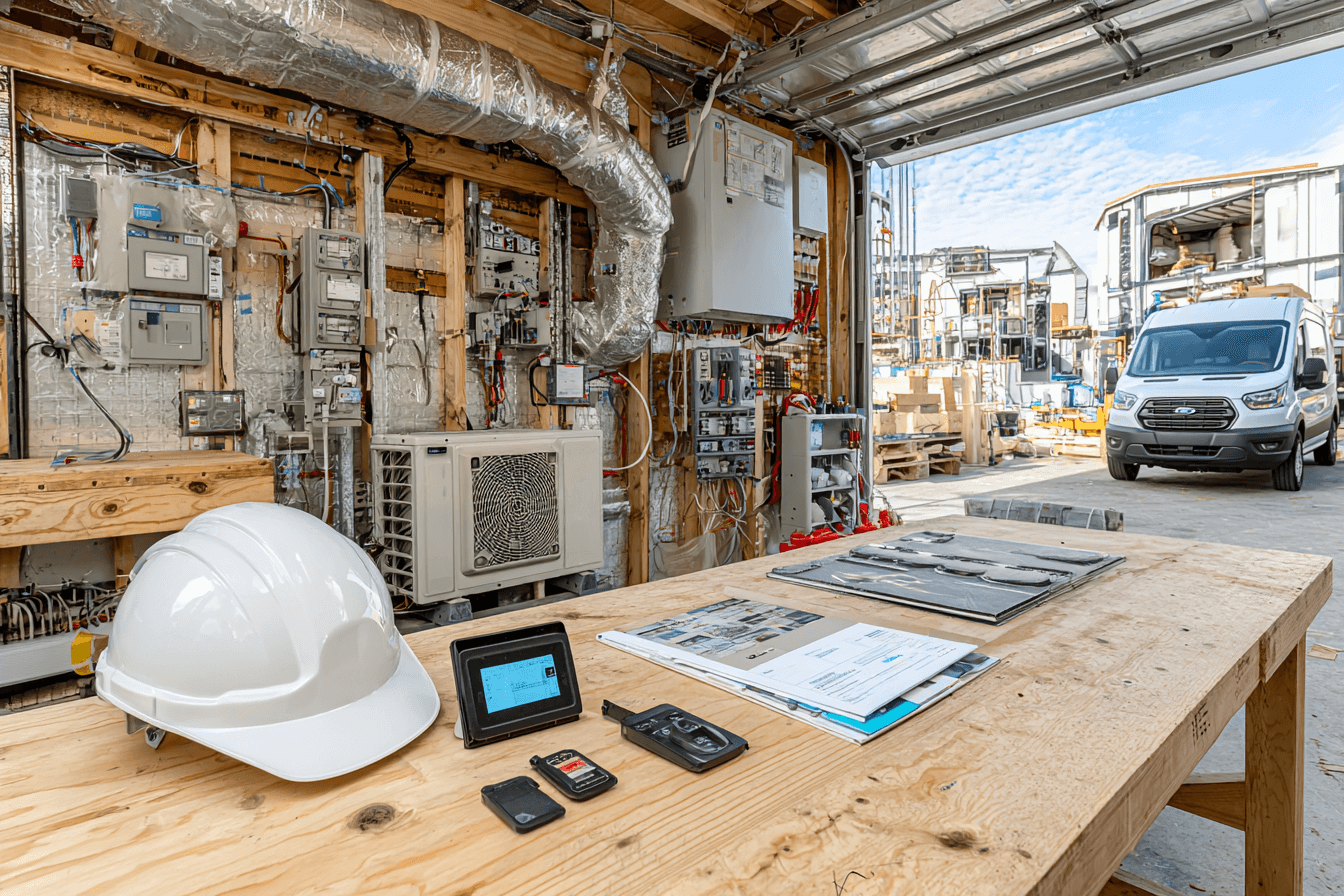
Which licences, trade certificates and insurance your solar or heat pump contractor should have in Canada, and where to verify them.
Checking contractor certifications before you hire is one of the easiest ways to protect a solar or heat pump project. In Canada, electrical work must be done by licensed people, refrigerant must be handled by certified technicians, and inspections and incentives often depend on both. This guide explains which licences and certificates matter, and how to verify them with official sources.
Solar systems are electrical installations, so the electrical work must be done by a licensed electrical contractor. The authority differs by province:
Electricians in Canada are certified by their province or territory. Many also hold the interprovincial Red Seal endorsement. Ask who on the crew holds the licence and supervises the electrical work.
Solar training programs and voluntary credentials, including the U.S.-based NABCEP certification, can show extra expertise. They don’t replace a provincial electrical licence.
Installing a heat pump means handling refrigerant, which is regulated. In Ontario, for example, technicians need an Ozone Depletion Prevention certificate to buy and handle refrigerants, and the card is valid for five years. Other provinces have their own requirements.
Heat pumps are installed by refrigeration and air-conditioning mechanics or similar certified trades. Many hold Red Seal certification. Some contractors also complete industry training, such as programs from the Heating, Refrigeration and Air Conditioning Institute of Canada (HRAI), on sizing and cold-climate installation.
If your heat pump will work alongside a gas furnace, gas work needs a licensed gas technician. In Ontario, gas technicians are certified under the Technical Standards and Safety Authority (TSSA).
A new heat pump often needs a new circuit, which means licensed electrical work and a permit. See our heat pump permit guide.
An NRCan-registered energy advisor performs EnerGuide home evaluations; they don’t install equipment. Some incentive programs require an evaluation before and after upgrades. Book through a service organization registered with NRCan. NRCan notes that these organizations don’t sell door-to-door or through unsolicited calls.
If a contractor can’t or won’t provide these, keep looking.
Good contractor certifications mean a licensed electrical contractor for solar, certified refrigerant handling and HVAC trades for heat pumps, and proper insurance for both. Verify them with official sources before you sign. When you’re comparing quotes, our guides to heat pump sizing and the solar approval documents can help.
The electrical work must be done by a licensed electrical contractor or licensed electricians, depending on your province. Verify the licence with your provincial authority, such as ESA in Ontario or Technical Safety BC.
Technicians handling refrigerant need the certificate your province requires, such as Ontario’s Ozone Depletion Prevention card. Installers are typically certified refrigeration and air-conditioning trades, and electrical work needs a licensed electrician.
Ask for their ECRA/ESA licence number and verify it using ESA’s contractor lookup tool, or call ESA.
Which solar rebates can Canadian homeowners still get in 2026? Province-by-province amounts,...
What the federal Powering Canada Strong strategy says about Ontario’s electricity future, and...

Most heat pump installations need an electrical permit, and many need a mechanical (HVAC) permit...