Heat Pumps
Cold Climate Heat Pump Challenge: How to Read the Evidence
Read Cold Climate Heat Pump Challenge evidence by separating specifications, test results and...
3 min

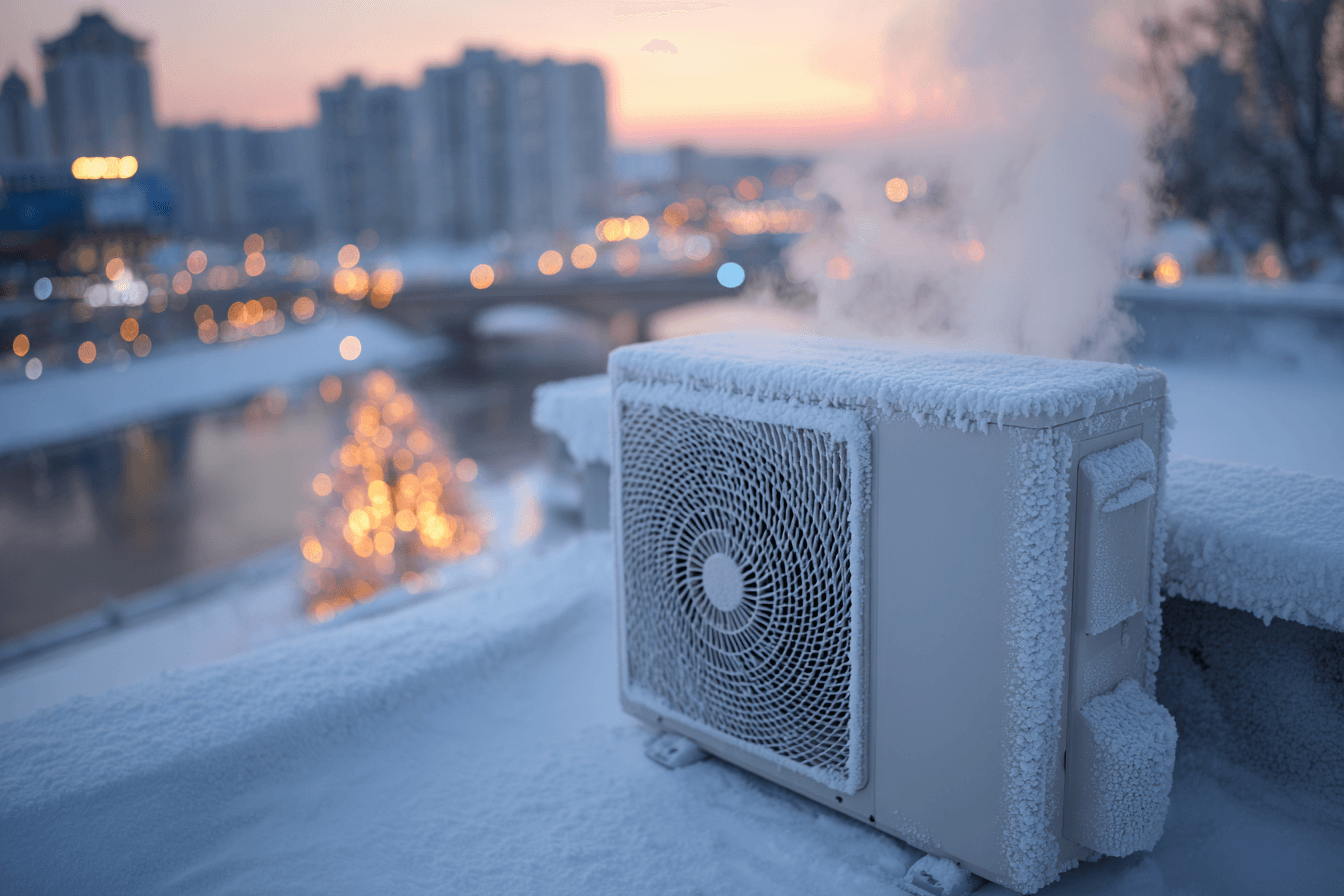
Compare cold climate heat pump quotes using exact matched models, local design conditions, backup strategy and a complete installation-scope worksheet.
Compare cold climate heat pump quotes against the same house and design conditions before ranking price or seasonal efficiency. Canadian homeowners need the exact matched equipment, a documented heating-load assessment and a clear explanation of backup and room coverage. A low advertised operating temperature is only one line of evidence.
This worksheet compares proposals already under consideration. For a broader introduction to equipment selection, start with the cold-climate heat-pump buying guide.
State which rooms need heating and cooling, whether the existing furnace might remain and which building improvements are planned. Ask each bidder to identify the building assumptions and local design temperature used. Different assumptions can create apparently conflicting recommendations that are not yet comparable.
If one quote assumes future insulation and another describes the current house, settle that difference before comparing equipment size. Keep exclusions visible rather than silently treating missing work as included.
For the upcoming National Heat Pump Rebate, a cold-climate label alone does not establish eligibility. Check the actual product list and matched system against the program rules. The federal heat-pump rebate explainer separates equipment scope, qualifying installation timing and application opening.
Record the outdoor unit, indoor units or air handler, coils and relevant configuration. Request the supporting rating or performance document for that combination. A product-family headline or a brand name does not identify the installed system’s performance.
For a multi-zone proposal, ask how the connected indoor units affect the available output and each room’s coverage. The quoted number of heads alone does not explain how simultaneous heating demand is served.
| Comparison row | Record for each quote | Evidence needed |
|---|---|---|
| Building basis | Heating load and design temperature. | Calculation and stated building assumptions. |
| Cold-weather output | Capacity at the relevant conditions. | Matched-system performance tables and design explanation. |
| Efficiency | Seasonal rating and point-condition performance. | Same rating procedure/region; temperature beside each COP. |
| Coverage | Rooms served by each distribution path. | Duct assessment or ductless coverage plan. |
| Backup | Source, capacity and operating strategy. | Written control and unmet-load explanation. |
| Complete price | Included work, exclusions and unresolved allowances. | Itemized scope and responsibility for missing assessments. |
NRCan’s sizing and selection guide connects configuration, output, control strategy and backup. Use that method to request a coherent proposal, rather than selecting the largest number in a brochure.
Suppose one hypothetical proposal retains the furnace while another includes an electric air handler and resistance backup. Their equipment prices cover different systems. Identify electrical work, distribution changes, controls, decommissioning and service requirements before treating the price gap as a saving.
Likewise, if one bidder supplies capacity at your design condition and another supplies only nominal capacity, mark the second entry “evidence required.” Do not assume it is equal, zero or worse. Ask for a supported comparison.
For background on the numbers, the seasonal-rating and COP guide explains why a seasonal rating and a single-condition efficiency figure serve different purposes.
Check the outdoor location, snow and drainage provisions, electrical assessment, permits, distribution changes, commissioning and owner instruction. Ask which party delivers each item and what findings can change the price.
Record equipment warranty separately from labour, travel and service access. Identify who handles a winter failure and what the service arrangement actually includes. A longer parts warranty does not by itself establish a complete repair service.
Ask bidders to state electricity and fuel prices, weather assumptions, backup use and any retained fixed charges. Compare equivalent assumptions before drawing conclusions. A better laboratory efficiency figure does not automatically create the lowest household bill.
Keep incentive checks separate and current. Certification or a high rating does not alone prove funding eligibility, and funding does not prove suitability. Finish with one comparison sheet, the supporting documents and a list of unresolved questions assigned to each bidder. That makes the decision traceable to the proposed system rather than its sales headline.
Read Cold Climate Heat Pump Challenge evidence by separating specifications, test results and...
Build a solar and heat pump maintenance schedule with manual-based reminders, named...
Recognize signs your heat pump needs service, distinguish urgent hazards from recurring...