
Heat Pumps
Cold Climate Heat Pump Challenge: How to Read the Evidence
Read Cold Climate Heat Pump Challenge evidence by separating specifications, test results and...
3 min

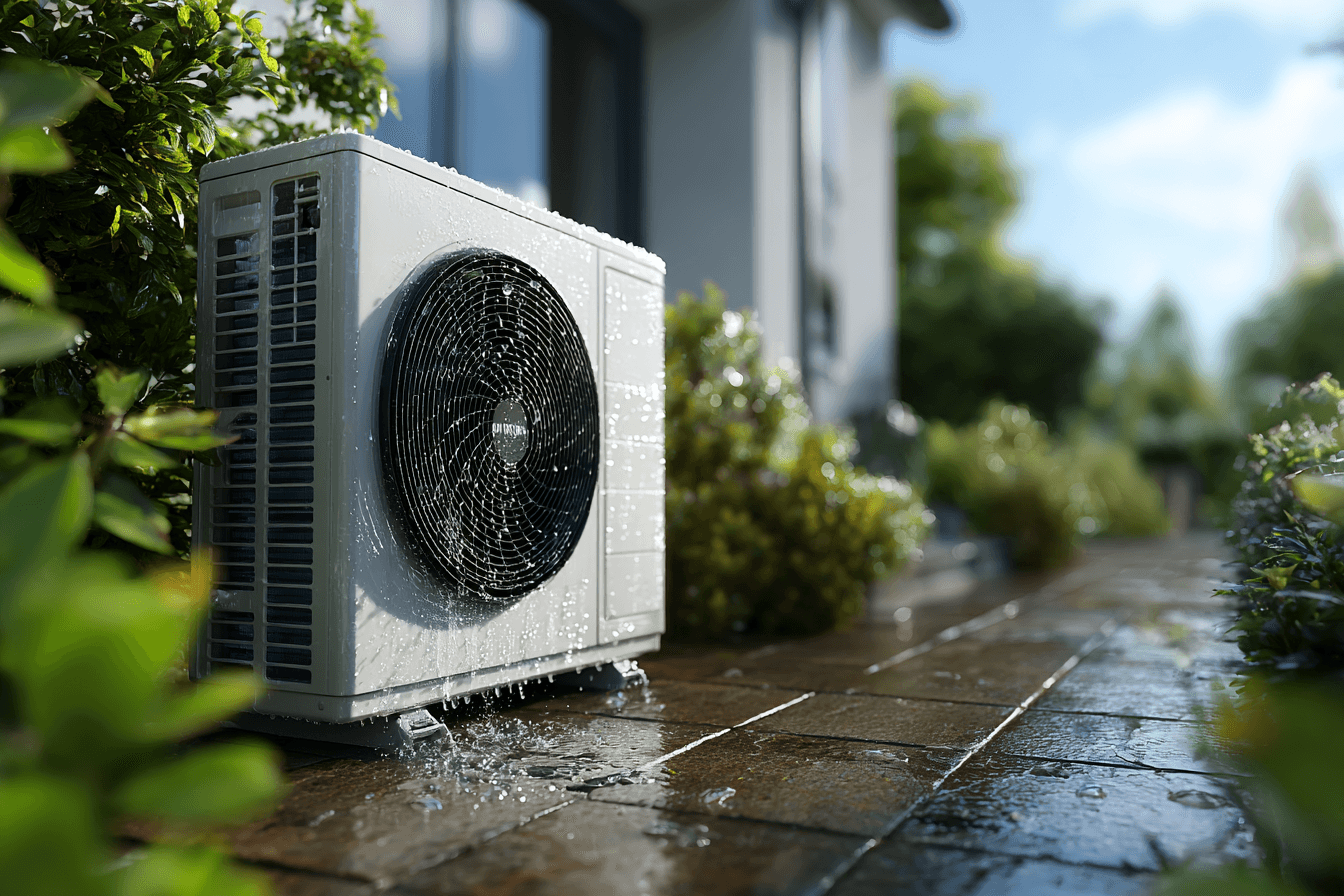
HSPF measures heating efficiency over a season; COP measures it at one temperature. Here’s how to use both when comparing heat pumps.
When you compare HSPF vs COP, you’re comparing two different views of the same thing: how efficiently a heat pump heats your home. COP shows efficiency at one outdoor temperature, like a snapshot. HSPF shows average efficiency across a whole heating season, like a season summary. You need both to judge how a heat pump will perform in a Canadian winter.
Explore heat-pump rebates you may qualify for through a property assessment.
Explore heat-pump rebates| COP | HSPF / HSPF2 | |
|---|---|---|
| Full name | Coefficient of performance | Heating seasonal performance factor |
| What it measures | Heat out ÷ electricity in, at one temperature | Total seasonal heat ÷ total seasonal electricity |
| Units | None (a simple ratio, e.g. 2.5) | BTU per watt-hour |
| Best for | Checking cold-day performance | Comparing overall heating efficiency |
| Where to find it | Manufacturer’s performance data | ENERGY STAR and product listings |
COP is the heat a heat pump delivers divided by the electricity it uses at a given moment. A COP of 2.5 means 2.5 kWh of heat for every 1 kWh of electricity. Electric baseboards have a COP of 1.
COP falls as the outdoor temperature drops. Natural Resources Canada (NRCan) reports typical air-source COPs of 2.0 to 5.4 at 8°C and 1.1 to 3.7 at −8°C. Read NRCan’s heat pump guide.
For a Canadian home, the most useful COP figures are the ones at −15°C and colder. For a deeper, plain-language explanation, read What is heat pump COP?
HSPF adds up all the heat a heat pump delivers over a heating season and divides it by all the electricity it uses. Because it covers mild and cold days, it’s a good summary figure for comparing models.
Two things matter when you read HSPF in Canada:
Use them together:
A model with a strong seasonal rating but weak cold-weather output may rely heavily on backup heat in January. That’s why NRCan’s criteria for cold-climate heat pumps look at both.
As of July 2026, a cold-climate air-source heat pump listed under NRCan’s Canada Greener Homes Initiative must have:
See the full NRCan product criteria.
When you weigh HSPF vs COP for an incentive application, remember that incentive programs set minimum efficiency requirements, often based on ENERGY STAR or NRCan’s cold-climate criteria. Requirements differ by program and change over time. Confirm the current rules with the program before you sign a contract. Start with NRCan’s directory of provincial and territorial incentives.
You can check any model on NRCan’s list of ENERGY STAR certified air-source heat pumps. If you’re still choosing a system, our cold-climate heat pump buying guide and heat pump sizing guide cover the next steps.
In the HSPF vs COP comparison, neither rating wins on its own. HSPF2 shows seasonal efficiency; COP shows how the unit copes on the coldest days. Compare both for the exact equipment in your quote.
As a benchmark, NRCan’s current Greener Homes listing criteria require an HSPF2 of at least 6.6 for AHRI Climate Region V. Higher is more efficient.
Only roughly, and not usefully for cold weather. HSPF is a seasonal average, while COP depends on temperature. Ask for COP data at specific temperatures instead.
HSPF2 uses a newer test procedure that generally produces lower numbers. The equipment isn’t less efficient; the number just can’t be compared directly with the old rating.
Read Cold Climate Heat Pump Challenge evidence by separating specifications, test results and...

Build a solar and heat pump maintenance schedule with manual-based reminders, named...

Recognize signs your heat pump needs service, distinguish urgent hazards from recurring...