
Energy Efficiency
Deep Lake Water Cooling for Buildings: Understand Toronto’s Shared System
Assess deep lake water cooling for buildings through Toronto’s district-energy example, with a...
3 min

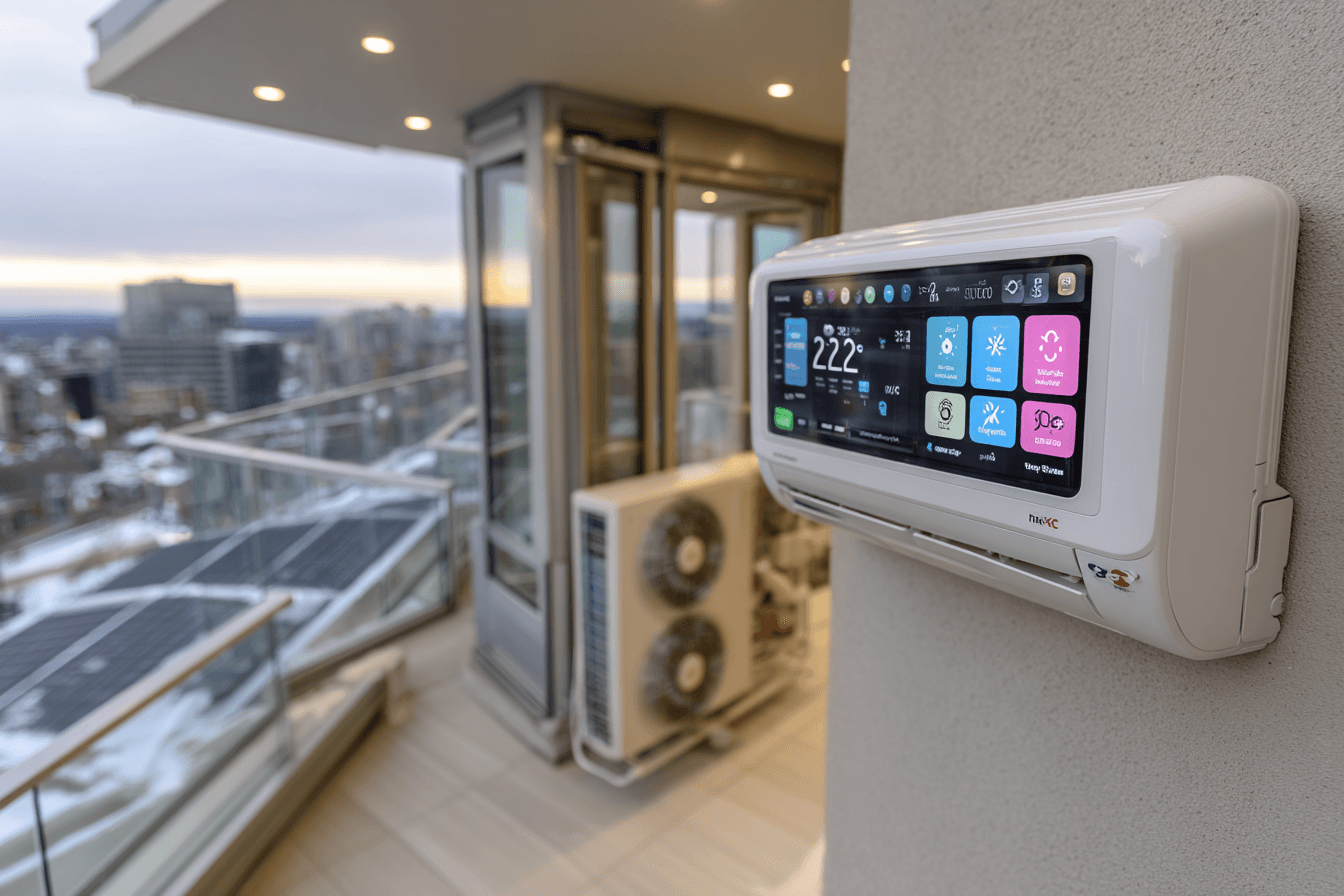
Review a thermostat schedule for a heat pump with equipment-specific control questions, household timing, recovery observations and a clear change record.
A thermostat schedule for a heat pump or other heating system should fit the Canadian home and the people using it. Identify the installed controls before choosing away, sleep and recovery settings. Start with a comfortable, safe baseline, then make small changes you can evaluate. A thermostat cannot fix inadequate equipment capacity, poor distribution or a building defect.
Explore heat-pump rebates you may qualify for through a property assessment.
Explore heat-pump rebatesA furnace, electric baseboard system and variable-capacity heat pump can need different controls. Some equipment uses a manufacturer's communicating thermostat. A replacement that appears to work may lose functions or change how backup heating operates.
Ask the installer which thermostat is compatible, whether it controls auxiliary heat, and which settings the owner should adjust. Hardwired control changes should be handled by a qualified person under the applicable requirements; a general smart plug is not a substitute for a suitable baseboard thermostat.
For some heating systems, reducing the set point while away can reduce demand. Heat pumps need particular attention: a large setback and rapid recovery may call for supplemental heat or change operating efficiency. NRCan's heat-pump guide discusses thermostat and system operation. Follow the design and control strategy rather than copying a universal temperature schedule.
Choose settings that account for health, accessibility, pets, moisture and freeze protection. Avoid lowering heat so far that pipes or vulnerable occupants are put at risk. In summer, higher settings may reduce cooling demand when appropriate, but indoor conditions still need to remain safe during heat events.
A manual thermostat can be sufficient for a stable routine. A programmable control automates known schedules. A connected control adds functions such as remote access, but may depend on an account, network and ongoing software support. Check what happens if the connection fails and who can change settings.
Record the current heating and cooling modes, normal occupied periods, existing schedule and rooms where comfort is a concern. Ask the installer which settings are intended for owner use and which control the technical operation of backup or equipment stages.
| Review item | Question to resolve |
|---|---|
| Occupied period | Does the schedule provide suitable conditions when people use the space? |
| Away or sleep period | Is a change appropriate for this equipment and household? |
| Recovery | Does the system recover as designed without an unexplained control response? |
| Overrides | Are frequent overrides showing that the schedule no longer fits? |
| Connectivity | What remains usable if the app, account or network is unavailable? |
Review one intended owner setting at a time. Keep notes about comfort and displayed operation rather than repeatedly altering multiple variables. A schedule that requires constant overrides is a reason to revisit the household brief, not to lock occupants out of suitable conditions.
Keep one schedule long enough to observe comfort and operation, then compare similar weather periods using energy quantities. A dollar change can reflect tariffs as well as consumption. Review unplanned backup use with the installer rather than disabling protection settings.
Verify any incentive before buying. An efficient routine should remain useful even without a rebate or a promised percentage saving.
Try the suitable functions of the existing control before assuming replacement is needed. If remote access or a different schedule is required, confirm compatibility with the complete system and who will commission it. The smart-thermostat guide covers the broader product choice; this review record concerns how your actual household uses the installed system.
Take persistent recovery problems, unexpected backup use or unexplained room temperatures to the installer with the record. A revised schedule should follow the supported design, rather than hide a capacity, distribution or control fault.
Assess deep lake water cooling for buildings through Toronto’s district-energy example, with a...

Make a smart glass window comparison around the room’s comfort problem, complete assembly...
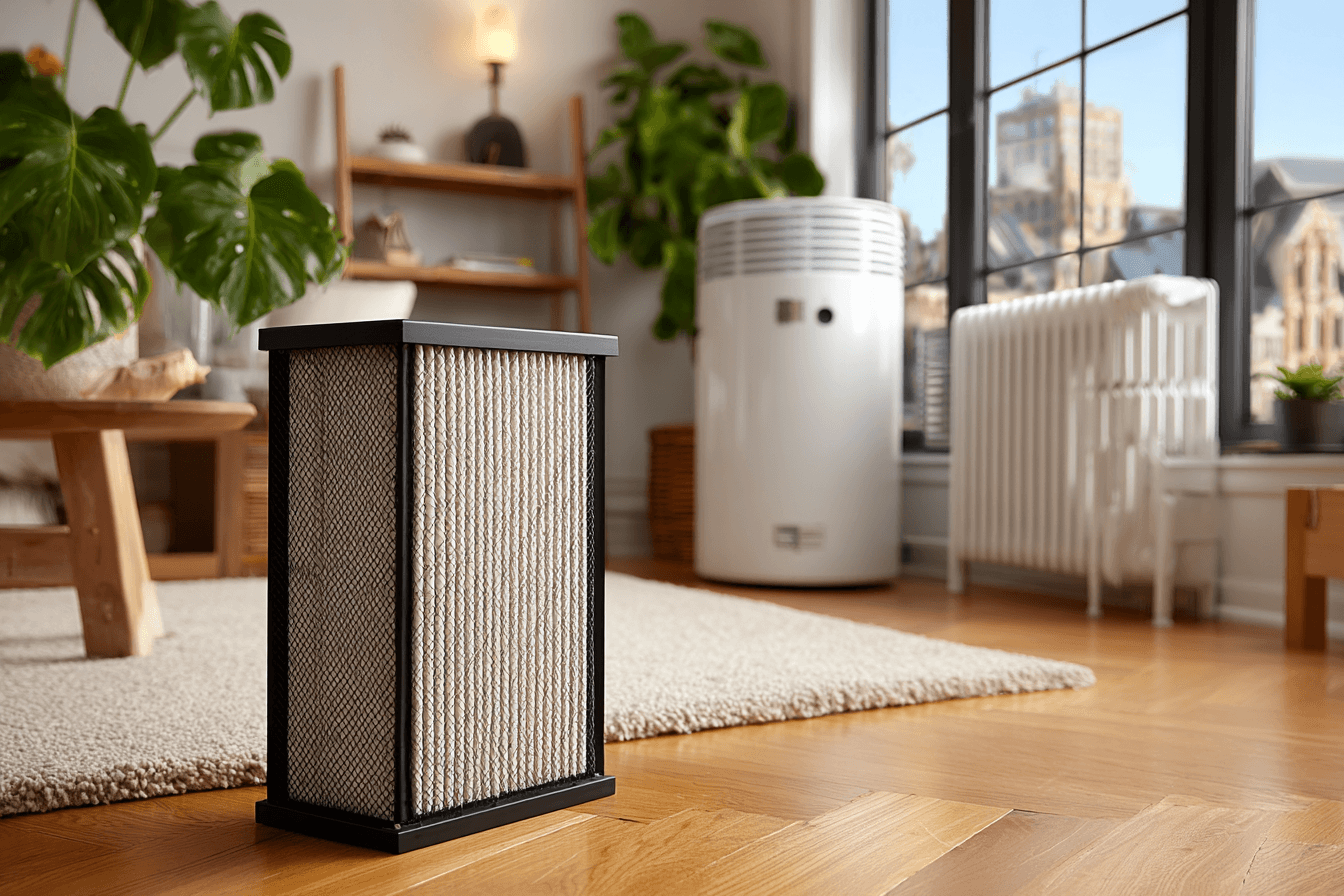
Plan furnace filter replacement with an equipment-specific specification card, safe owner-access...