
Solar Energy
Home Energy Upgrade Payback: Simple and Discounted Methods
Calculate home energy upgrade payback with a clear baseline, net annual benefit and simple...
4 min

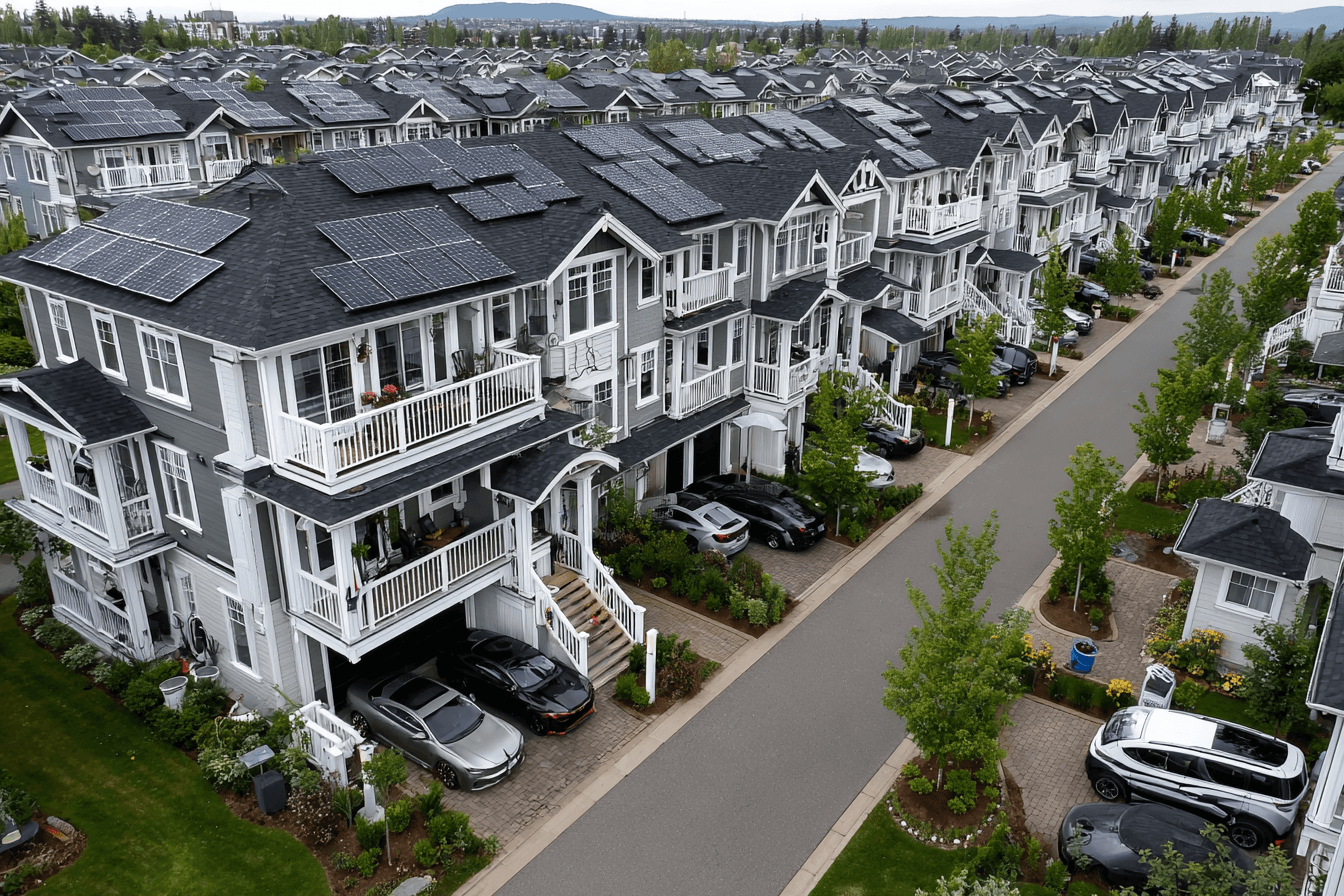
A virtual power plant links devices in many homes to support the grid at peak times. Here’s how it works in Canada and how households take part.
A virtual power plant (VPP) is a network of many small energy devices in homes and businesses, such as smart thermostats, batteries, solar systems, electric vehicle chargers and water heaters, coordinated to act like one power plant. When electricity demand peaks, the network briefly reduces or shifts power use, or supplies stored power. That helps the grid without building a new plant. In Canada, you can take part through programs run by utilities and grid operators.
Added up across thousands of homes, these small changes become a significant grid resource. This is a form of demand response; Ontario’s grid operator explains how it is used on its demand response page.
Save on Energy’s Peak Perks program, delivered by Ontario’s Independent Electricity System Operator (IESO), is a large residential example. Eligible homes and small businesses with central air conditioning and a smart thermostat allow brief, limited thermostat adjustments during summer peak periods in exchange for incentives. Check the program page for current eligibility and rewards.
Quebec’s electricity demand peaks on cold winter mornings and evenings. Hydro-Québec has offered rate options that reward customers for cutting use during winter peak events. Its Winter Credit Option closed to new enrolment on March 31, 2026, so check Hydro-Québec’s current rate options, such as dynamic pricing.
Other utilities are testing ways to use home batteries, electric vehicle chargers and smart devices to support the grid. Natural Resources Canada has funded smart grid work on integrating flexible resources such as these. Ask your utility which programs are open in your area.
Requirements depend on the program. Common eligible devices include:
If you have solar panels, a battery lets you store daytime power and potentially take part in programs that use stored energy. Learn more in our guides to what kWp means and the solar interconnection process in Canada.
A virtual power plant turns everyday devices in thousands of homes into a flexible grid resource. You’re paid a little for helping at peak times. In Ontario, Peak Perks is the main residential option; elsewhere, ask your utility what’s available and check the terms before you enrol.
It’s many small devices in homes and businesses, such as thermostats, batteries and water heaters, coordinated to reduce or supply power at peak times, like a single power plant would.
Programs are designed for small, short adjustments. For example, Ontario’s Peak Perks adjusts smart thermostats briefly during summer peaks, and participants can usually override an event.
No. Many programs only need a smart thermostat. Solar with a battery can open up more options where programs support them.
Calculate home energy upgrade payback with a clear baseline, net annual benefit and simple...

Assess Ottawa winter solar production with a monthly evidence sheet covering snow assumptions,...

Check net-zero building code claims against the locally applicable code, defined performance...